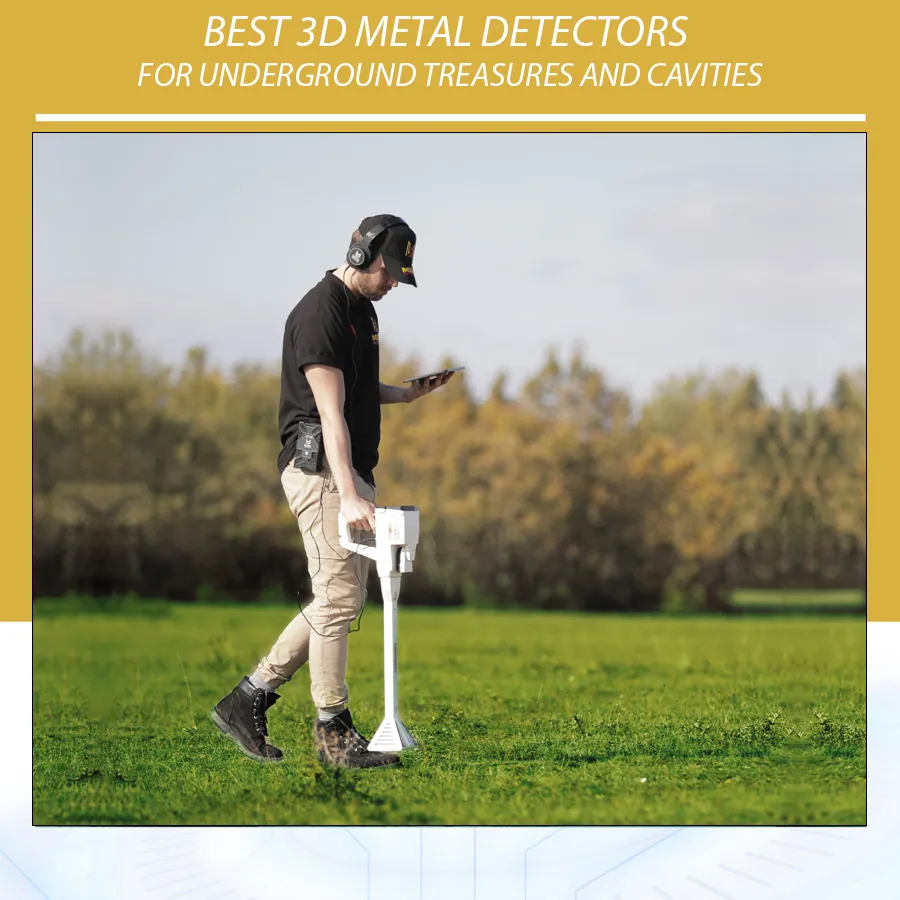
Best 3D Metal Detectors for Underground Treasures and Cavities
Choosing the best 3D metal detectors for underground treasures and cavities is very different from choosing a simple coin detector or a standard gold prospecting machine. A normal detector may tell you that a metal object exists somewhere under the coil, but a 3D ground scanner is designed to give a wider picture of what may be happening below the surface. It can help a trained user interpret possible buried metal, voids, tunnels, disturbed soil, cavities, graves, chambers, and other underground anomalies.
This does not mean that 3D metal detectors are magic devices that show a perfect photograph of the underground world. A professional 3D scan is an interpreted measurement, not a camera image. The result depends on soil conditions, scan method, sensor type, target size, target depth, ground mineralization, software interpretation, and the user’s ability to repeat and verify the signal. For treasure hunters, archaeologically sensitive searches, farm owners, construction teams, and serious prospectors, that distinction matters. The goal is not to chase every colored spot on a screen; the goal is to collect reliable data and decide whether a location deserves more investigation.
In this guide, we compare the best 3D metal detectors and 3D ground scanners available through Orient Detectors, with practical examples such as Phoenix, Gold Vision, Infinity Max Pro, Mega Scan Pro, OKM eXp 7000, OKM Rover C4, Groundtech GR-4, and Groundtech GR-3 Plus. The article also uses manufacturer information from OKM, Mega Detection, and Groundtech, plus general geophysical scanning principles, to help buyers understand what these devices can and cannot do.
Quick Answer: Which 3D Metal Detector Is Best?
The best choice depends on your search style. If you want a professional long-range and ground-scan package for many types of treasure search, Infinity Max Pro is one of the most complete multi-system options. If you want a dedicated 3D ground scanning detector with a strong visual workflow, Phoenix is a strong choice because it combines 3D scan modes with Mega Detection’s visual analysis ecosystem. If you need a compact ground scanner for practical field work, Gold Vision offers a simpler and more portable approach. If your priority is high-end professional 3D visualization, OKM eXp 7000 is one of the most advanced options in the category. If you want a dedicated geophysical scanner from Groundtech, GR-4 and GR-3 Plus are relevant choices for voids, cavities, and underground anomalies.
However, no list of the best 3D metal detectors should be reduced to one “winner.” A machine for large underground chambers is not always the best machine for scattered coins. A deep scanning device is not always the best option for tiny nuggets. A professional scanner may be powerful, but if the user cannot follow a correct grid pattern, repeat the scan, and interpret software colors properly, the result can still be misleading. The right device is the device that matches the target, terrain, budget, and operator skill.
What Makes 3D Metal Detectors Different?
Traditional metal detectors are usually built around an audio response and, in many cases, a target ID number. The operator sweeps a coil over the ground and listens for a signal. This is excellent for many applications: coins, jewelry, relics, shallow gold, and general metal detecting. But when the target is deep, large, irregular, or associated with a cavity, a normal detector may provide limited information. It might beep, but it cannot always show whether the response is compact, elongated, repeated, hollow-like, or related to soil disturbance.
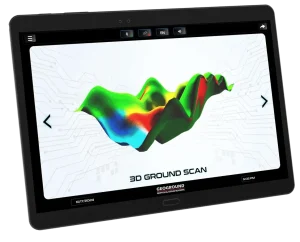
3D metal detectors use sensors and software to collect readings across a measured area. Instead of relying on one sweep, the user walks a scan line or grid. The software then transforms readings into a visual map or 3D model. Depending on the device and software, the result may show colors, signal intensity, estimated depth, target shape, and possible distinctions between ferrous metal, non-ferrous metal, mineralization, and void-like anomalies. This is why these devices are often called 3D ground scanners, ground imaging detectors, or geophysical ground scanners.
The important point is that a scan image is not proof by itself. It is evidence. Strong evidence comes from repeatability. If the same anomaly appears when scanned from different directions, in a logical shape, at a believable depth, and in a location that matches the site history, the user has a stronger reason to investigate. If the anomaly changes position every time, appears only in one scan, or looks like scattered noise, it may be mineralization, operator error, trash, or poor scan technique.
Best Uses for 3D Metal Detectors
The strongest use case for 3D metal detectors is not casual park hunting. These machines are most useful when the target is bigger, deeper, or related to underground structure. They are especially relevant for treasure search, cavity detection, tunnel tracing, old foundations, buried rooms, graves, large caches, and areas where digging blindly would be expensive or risky.
For example, a person searching an old farm for scattered coins may be better served by a VLF detector with excellent discrimination. But a serious treasure hunter investigating a suspected buried chamber may benefit from a 3D scanner because the key question is not only “Is there metal?” The key question becomes: “Is there an underground anomaly, how large is it, how deep is it, and does its shape suggest a natural stone, void, or man-made structure?”
Another valuable use case is checking suspicious ground before excavation. If an operator receives a long-range signal, historical clue, or repeated audio signal from a deep-search detector, a 3D scan can help confirm whether the location deserves more work. This is why many professional treasure hunters combine technologies. Long-range systems can help define a search direction, pulse induction or deep-seeking detectors can check metal response, and 3D metal detectors can help visualize the underground anomaly before digging.
3D Metal Detectors vs 3D Ground Scanners
The terms overlap, but they are not always identical. Many buyers use “3D metal detector” to describe any device that creates a three-dimensional underground image. Manufacturers may use terms such as 3D ground scanner, ground imaging system, geophysical detector, magnetometer, ground scanner, or 3D visualization device. Some machines focus mainly on metallic objects. Others focus on magnetic anomalies, soil disturbance, and cavity-like responses. Some multi-system devices combine several methods in one package.
When comparing 3D metal detectors, the buyer should look beyond the marketing category and ask what the device actually measures. Does it use a magnetometer sensor? Does it have a 3D ground scan mode? Does it support live scan, manual scan, automatic scan, or GPS-assisted scan? What software is used for analysis? Can the user export or review scan data? Does the software help estimate depth? Does it distinguish between metal and voids, or does it only show anomaly strength? These details matter more than the name printed in the brochure.
Comparison Table: Recommended 3D Metal Detectors
| Device | Best For | Technology / System Type | Software / App | Buyer Profile |
|---|---|---|---|---|
| Infinity Max Pro | Multi-system treasure search, gold, cavities, deep targets | Multiple search systems including 3D ground scan and imaging tools | Mega Detection visual software ecosystem | Professional treasure hunters who want maximum versatility |
| Phoenix | 3D ground scanning, cavities, underground anomalies | 3D ground scanner and multi-ground scan systems | Multi Visual Analyzer / visual scan analysis | Users who want a strong 3D visual workflow |
| Gold Vision | Portable 3D scanning and practical field searches | 3D ground scan and detection systems | GEOGROUND 3D Analyzer | Prospectors who want simpler 3D scanning in a compact format |
| Mega Scan Pro | Multi-system scanning for gold, treasures, cavities and long-range work | Multi-system detector with 3D imaging features | Mega Detection visual tools | Users who want one device for several search scenarios |
| OKM eXp 7000 | High-end professional 3D visualization and deep scan analysis | Professional 3D ground scanner | OKM Visualizer 3D / 3D Visualizer Studio ecosystem | Advanced users and professional survey-style operators |
| OKM Rover C4 | 3D ground scans, treasures, voids and buried anomalies | 3D ground scanner / geophysical detector | OKM 3D visualization software | Serious users who want established OKM scanning tools |
| Groundtech GR-4 | Ground anomalies, cavities, chambers, tunnels | Ground scanning and geophysical search system | G-PORTAL | Users focused on underground structures and void-like targets |
| Groundtech GR-3 Plus | Entry-to-serious 3D ground scanning and cavity detection | 3D ground scanning detector | G-PORTAL | Buyers wanting Groundtech scanning with a more accessible setup |
Infinity Max Pro: Best Multi-System Option for Serious Treasure Hunters
Infinity Max Pro is one of the most complete options for buyers who do not want to depend on one search method. It is not simply a standard detector with one coil. It is a multi-system platform designed for different search scenarios, including gold, buried treasures, voids, cavities, and deep targets. For a user who may search in deserts, farms, mountains, old settlements, and mixed soil, that flexibility can be valuable.
In the context of 3D metal detectors, Infinity Max Pro is important because it combines visual scan features with other systems that can help the user move from broad search to confirmation. For example, a long-range mode may help define a general area, while imaging and ground scan tools help evaluate a specific zone. This layered workflow is often more practical than relying on one reading. A professional user should still repeat scans, compare signal behavior, and avoid treating any single screen result as final proof.
Infinity Max Pro is best for advanced users who want versatility. It may be more than a beginner needs, but it makes sense for treasure hunters who work in different countries, soil types, and target categories. If your search includes cavities, large buried objects, and deep targets, Infinity Max Pro deserves serious consideration.
Phoenix: Best 3D Visual Workflow for Underground Scanning
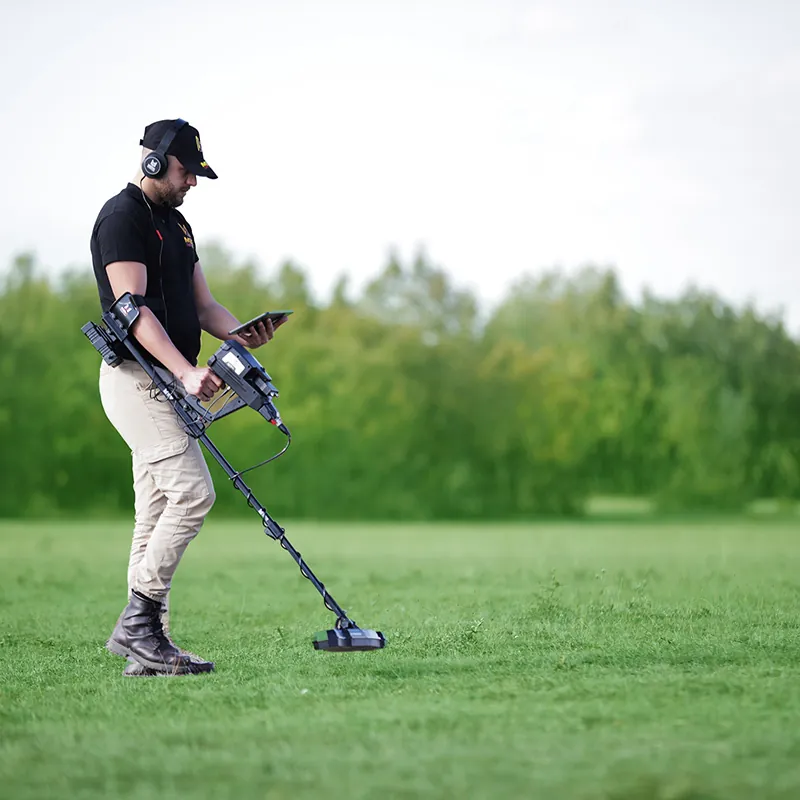
Phoenix is designed for users who want strong ground imaging and visual analysis. It is especially relevant when the target may be a buried object, cavity, underground tunnel, chamber, or void-like anomaly. Its value is not only in detecting a response, but in helping the user review the shape and distribution of that response after scanning.
For buyers comparing 3D metal detectors, Phoenix is attractive because it supports a modern scan workflow. The user collects readings across an area and then studies the visual result through the analysis software. In practical use, the best results come from disciplined scanning: straight lines, steady speed, consistent probe height, correct scan direction, and repeated passes. A careless scan can create confusing visuals even with a good machine.
Phoenix is a strong match for treasure hunters who want a dedicated visual scanning approach rather than a basic beep-and-dig detector. It is also useful for users who already understand that cavities and voids require careful interpretation. Empty space, disturbed soil, mineral concentration, and metal objects can all affect visual readings in different ways, so the operator’s experience remains essential.
Gold Vision: Best Compact 3D Scanner for Practical Field Use
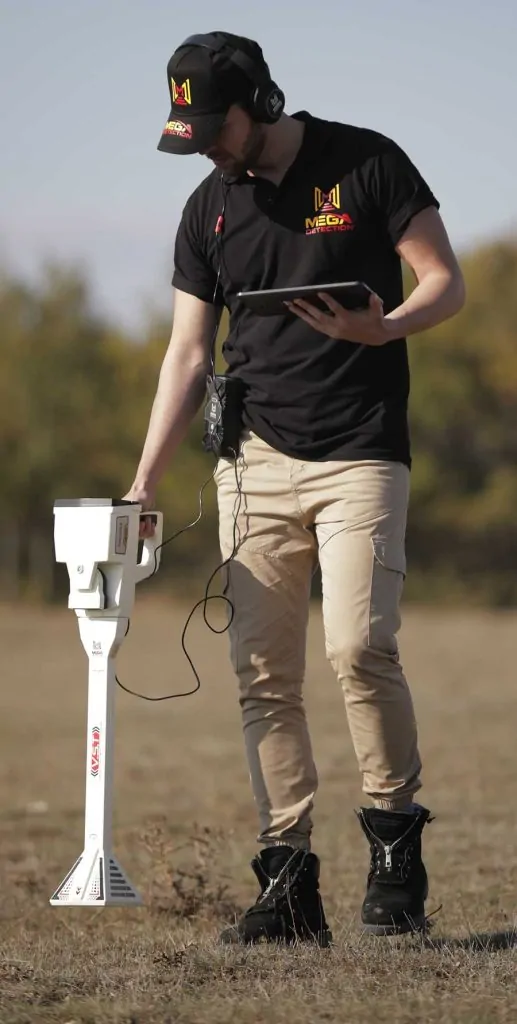
Gold Vision is a useful example of a compact scanning detector that focuses on practical field usability. It is especially relevant for prospectors who want 3D scanning capability without carrying a larger professional survey-style system. Its GEOGROUND 3D Analyzer workflow is useful for reviewing scan results, identifying color patterns, and interpreting potential target responses.
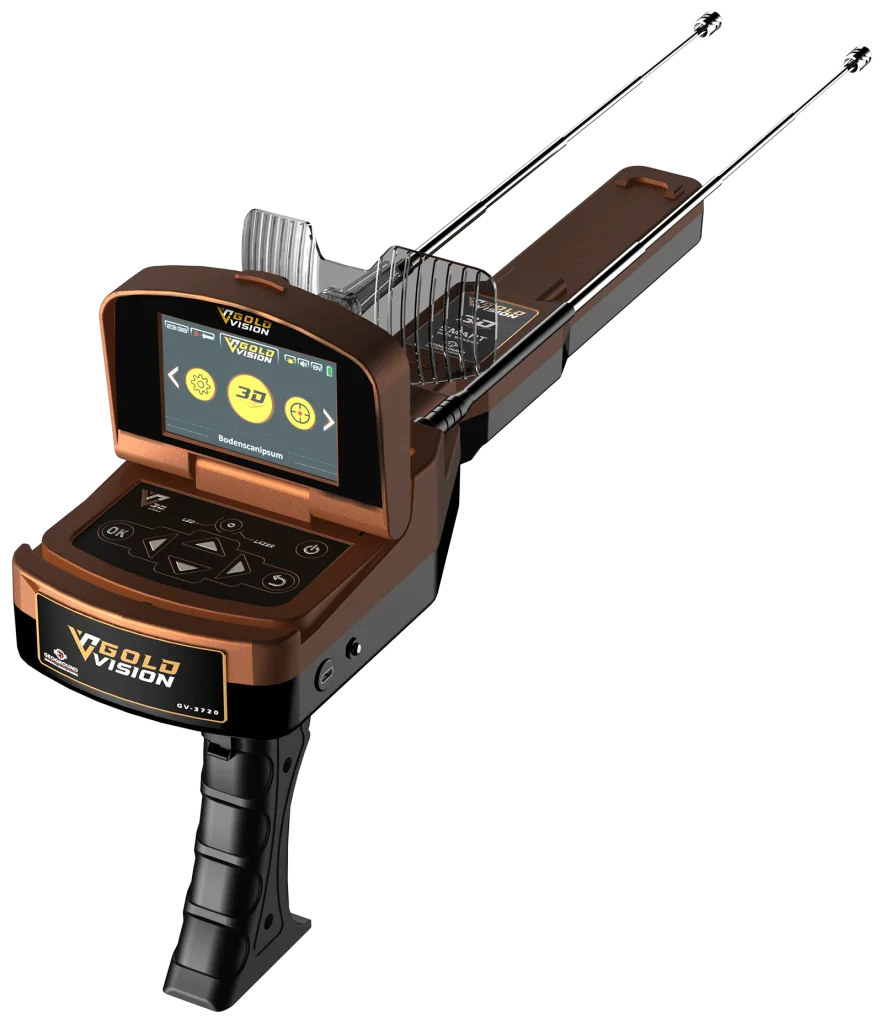
Among 3D metal detectors, Gold Vision is not positioned as the largest or most expensive professional scanner. Its strength is portability and a direct field workflow. That can be important for users who move across rough terrain, rocky areas, or remote locations. A detector that is technically powerful but too heavy or complicated for daily field use may produce fewer useful results than a simpler device that the operator can actually use correctly.
Gold Vision is a good fit for users who want to learn 3D scanning, evaluate suspected points, and combine visual readings with practical prospecting. It may be especially useful when the buyer wants a device that can be demonstrated, carried, and used repeatedly without a large team.
Mega Scan Pro: Best Balanced Multi-System Choice
Mega Scan Pro is another multi-system detector that can be relevant for underground treasures and cavities. It is designed for users who need several search options in one device rather than a single-purpose scanner. This type of detector can be useful when the buyer is unsure whether future searches will focus on gold veins, buried metal, cavities, long-range targets, or general deep treasure hunting.
In a list of the best 3D metal detectors, Mega Scan Pro belongs in the category of versatile devices. It may not replace every dedicated professional geophysical scanner, but it gives the operator several tools for field investigation. That matters because many real sites are ambiguous. You may not know at the beginning whether a signal is a small metal object, a deeper cache, a natural mineral zone, or an underground void. A multi-system approach can help reduce uncertainty.
The key is to use the systems logically. Do not scan randomly, change settings constantly, or dig after the first promising screen. Instead, build a process: identify the area, scan the grid, repeat the scan, compare results, check target shape, and only then decide whether more investigation is justified.

OKM eXp 7000: Best High-End Professional 3D Ground Scanner
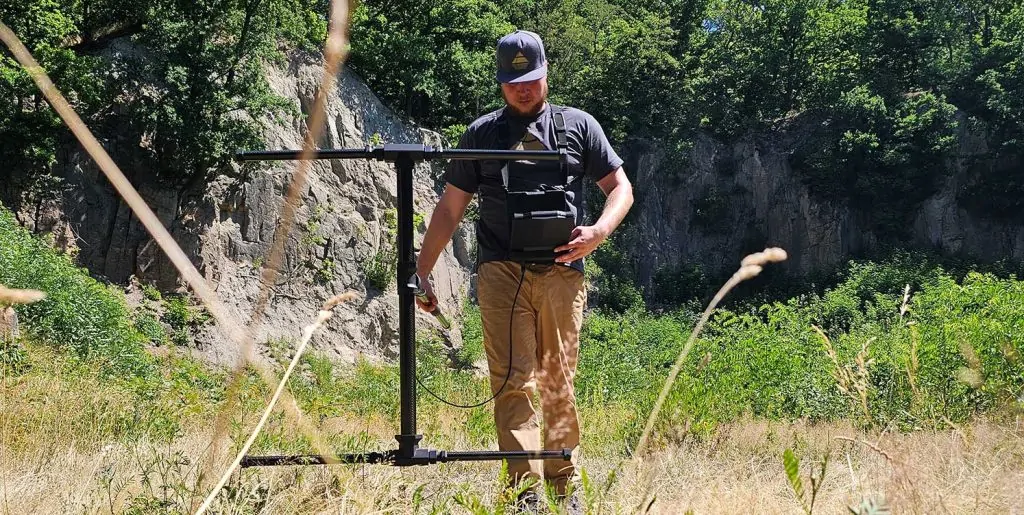
OKM eXp 7000 is one of the best-known professional devices in the 3D ground scanning category. OKM’s official material positions its advanced scanners for applications such as locating buried artifacts, treasures, voids, tunnels, and other underground structures. The eXp 7000 is especially interesting for professional users because OKM’s ecosystem is built around visual scan analysis, sensor-based ground measurement, and 3D software interpretation.
For advanced users comparing 3D metal detectors, the eXp 7000 is attractive because the software workflow can help evaluate scan shapes, signal strength, possible target depth, and anomaly behavior. OKM Visualizer software is widely associated with 3D ground scan interpretation, including the process of rotating, zooming, and analyzing scan data. This is useful for users who want more than a simple signal.
The eXp 7000 is best for serious users, professional treasure hunters, and survey-style operators who are willing to learn the software deeply. It is not the best choice for someone who wants a very simple weekend detector. It rewards methodical work: careful grid planning, clean scan lines, multiple angles, and patient interpretation.
OKM Rover C4: Best Established OKM Scanner for Treasures and Voids
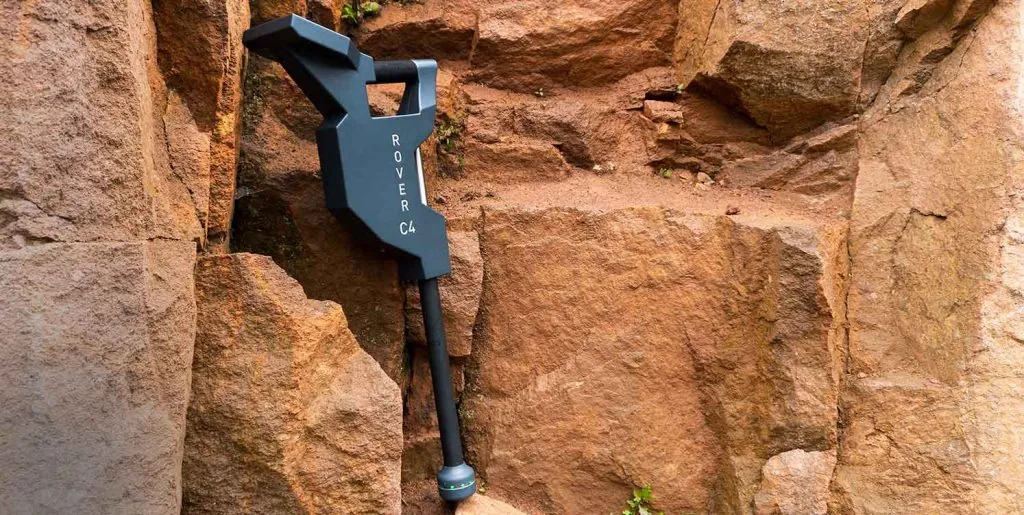
OKM Rover C4 is another strong option for users interested in 3D scans, buried objects, and void-like anomalies. It is generally positioned as a professional ground scanner with a practical field form factor. For many buyers, Rover C4 may feel more accessible than the highest-end OKM systems while still giving access to the 3D visualization approach that made the brand well known.
When evaluating 3D metal detectors, Rover C4 is useful for buyers who value established software, repeatable scanning, and a device built specifically for ground imaging rather than general-purpose hobby detecting. Like other 3D scanners, it should be used with disciplined scan technique. A bad walking pattern, uneven speed, or inconsistent sensor height can produce misleading data.
Rover C4 is best for users who want a recognized 3D scanning device for treasure, relics, cavities, and underground anomalies, but who may not need the most advanced configuration available in the OKM range.
Groundtech GR-4: Best for Cavity and Underground Anomaly Search
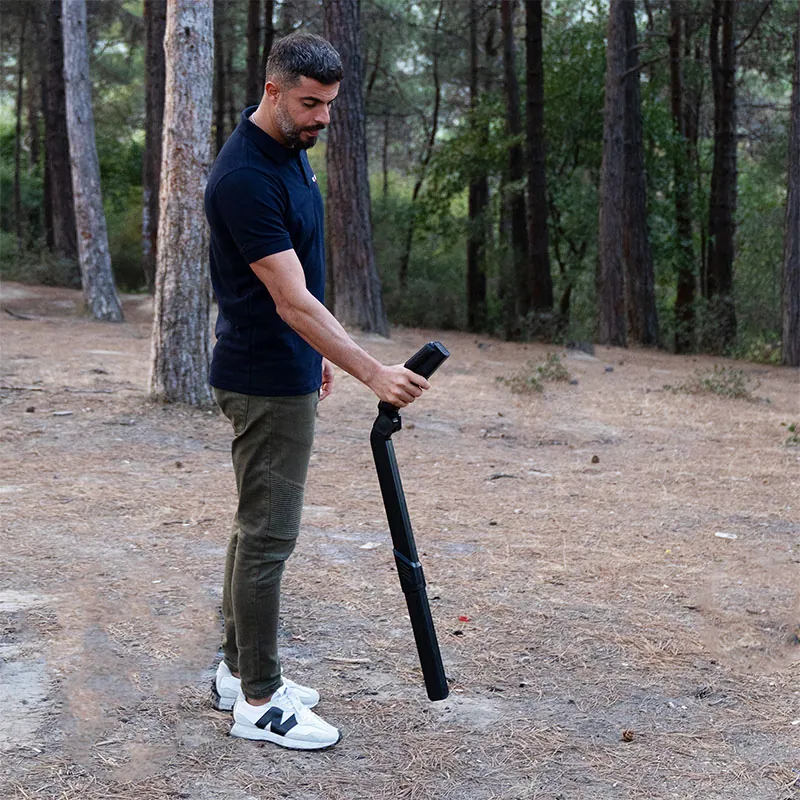
Groundtech GR-4 is relevant for buyers who specifically care about underground structures, cavities, chambers, and ground anomalies. Groundtech devices are often associated with geophysical search workflows and the G-PORTAL software environment. For users who want to investigate voids, buried rooms, tomb-like structures, or tunnels, this type of system can be more appropriate than a coin detector.
In the world of 3D metal detectors, Groundtech GR-4 is a serious tool for users who understand that cavities are not detected in the same way as metal coins. A void may appear through a difference in ground response, magnetic behavior, or anomaly pattern. It may not behave like a metallic target at all. That is why cavity search requires patience, repeated scans, and careful interpretation.
GR-4 is best for users whose main interest is not only “gold metal” but the hidden structure that may contain valuable targets. If the suspected target is a chamber, tunnel, basement, or filled void, a ground scanner workflow may be more useful than ordinary audio detection alone.
Groundtech GR-3 Plus: Best Entry-to-Serious Groundtech Option
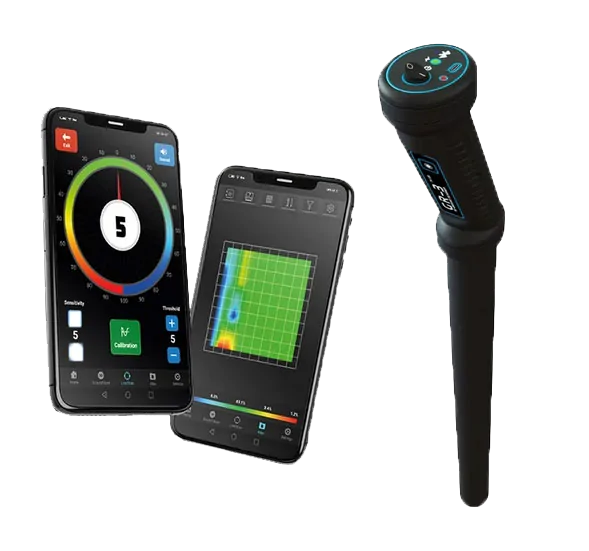
Groundtech GR-3 Plus can be considered by buyers who want 3D scanning and underground anomaly detection in a more accessible setup than the most advanced professional systems. It is useful for prospectors and treasure hunters who want to enter the Groundtech workflow and learn how to interpret scan data without immediately choosing the top model.
Like all 3D metal detectors, GR-3 Plus should be judged by field process, not only by specifications. The user should learn how to choose a scan area, maintain scan discipline, compare scan directions, and interpret repeated shapes. Many false positives in 3D scanning come from poor method rather than poor equipment. Training and practice are part of the purchase.
How 3D Scan Results Should Be Read
A professional scan interpretation starts with the scan pattern. If the scan lines are not straight, the visual result may look interesting but be unreliable. A good operator defines a rectangular grid, chooses line spacing, keeps the sensor stable, and scans at a steady pace. The scan should be repeated from another direction when the anomaly is important.
Next, the operator studies the shape. A compact metallic target usually appears differently from a long tunnel-like anomaly. A void may appear as a negative or low-response zone compared with surrounding soil, depending on the device and software. A mineralized rock may appear as a strong isolated disturbance that does not repeat clearly. A large cache may produce a broad response, but the exact color and shape depend on sensor type and software.
The third step is context. If the scan suggests a deep rectangular anomaly in a location with old walls, foundations, or historical activity, that is more meaningful than a random anomaly in disturbed ground. If the scan suggests metal but an audio detector, pulse induction unit, or secondary scan cannot confirm the signal, the user should be cautious. The best 3D metal detectors are tools for decision-making, not automatic proof machines.
What About Depth Claims?
Depth is one of the most misunderstood topics in this market. A small coin, a large metal box, a cavity, and a tunnel do not produce the same signal. A device may detect a large underground anomaly much deeper than a small single coin. Soil mineralization, moisture, salts, rocks, target orientation, and operator technique all affect real performance.
When comparing 3D metal detectors, do not ask only, “How deep does it go?” Ask: “What target size was used for that depth? In what soil? With which sensor? Was the result repeated? Was the target metal, void, or structure? Was the depth measured by software estimate or physical excavation?” These questions make the difference between a realistic purchase and a disappointing one.
Best 3D Detector by Buyer Type
| Buyer Type | Recommended Direction | Example Devices |
|---|---|---|
| Beginner who wants 3D scanning | Choose a simpler scanner with clear software and training | Gold Vision, GR-3 Plus |
| Treasure hunter searching mixed targets | Choose a multi-system detector with 3D imaging capability | Mega Scan Pro, Infinity Max Pro |
| Cavity and tunnel searcher | Choose a geophysical scanner focused on voids and structures | GR-4, Rover C4, eXp 7000 |
| Professional scan operator | Choose advanced software and strong scan analysis tools | OKM eXp 7000, Phoenix, Infinity Max Pro |
| User who travels often | Balance portability, battery life, and setup speed | Gold Vision, Rover C4, Phoenix |
Common Mistakes When Buying 3D Metal Detectors
Buying Only for Maximum Depth
Maximum depth numbers are tempting, but they rarely describe ordinary targets in ordinary soil. A buyer should match the device to the expected target size and field conditions instead of choosing the largest number in a brochure.
Ignoring Software Training
The software is not an accessory; it is part of the detector. If you do not understand the scan image, color logic, depth estimate, and repeat-scan method, you will not get the full value from the device.
Expecting a Perfect Underground Picture
3D scans are interpretations of sensor readings. They can be very useful, but they require confirmation. A professional user treats the image as data to evaluate, not as a photograph.
Using the Wrong Device for Small Targets
If your main goal is tiny nuggets or individual coins, a dedicated VLF or PI detector may be more efficient than a 3D scanner. 3D metal detectors are strongest when target size, structure, or ground anomaly matters.
Scanning Too Fast or Without a Grid
Even excellent equipment can produce weak results when scan technique is poor. Slow, consistent, repeatable scanning is essential.
Practical Field Workflow
Start by researching the site. Look for old paths, ruins, stone lines, wells, caves, foundations, unusual depressions, or areas where soil looks disturbed. Then define a scan area that is small enough to scan carefully. Large random scans often produce confusing results. A focused grid is better.
After the first scan, mark any strong anomaly. Do not dig immediately. Scan the same area again from a different direction. If possible, change the scan line orientation by 90 degrees. A real underground structure or target should usually remain in a similar position. If the anomaly disappears, shifts strongly, or becomes random, treat it with caution.
Use supporting tools when available. A pulse induction detector can help confirm a metallic response. A long-range system may help define direction, but it should not replace local confirmation. A second 3D scan can improve confidence. The best results come when 3D metal detectors are used as part of a methodical investigation rather than a single-pass guessing tool.
FAQ: Best 3D Metal Detectors for Underground Treasures and Cavities
Can 3D metal detectors find cavities?
Yes, many 3D ground scanners are designed to help identify void-like anomalies, cavities, tunnels, chambers, and disturbed ground. The result must be interpreted carefully and confirmed with repeat scans.
Are 3D metal detectors better than normal metal detectors?
They are better for visualizing underground anomalies, large targets, cavities, and scan patterns. Normal detectors are often better for fast searching of coins, jewelry, relics, and small shallow targets.
Which device is best for treasure hunting?
For broad treasure hunting, Infinity Max Pro and Mega Scan Pro are strong multi-system options. For dedicated 3D scanning, Phoenix, OKM eXp 7000, Rover C4, Gold Vision, GR-4, and GR-3 Plus are important choices depending on budget and expertise.
Can a 3D scanner show gold directly?
A 3D scanner can show anomalies and possible metallic responses, but it does not guarantee gold by color alone. Gold confirmation requires correct interpretation and often additional detection methods.
Do 3D metal detectors work in mineralized soil?
They can work in mineralized soil, but mineralization may create noise or false anomalies. Proper ground balance, scan discipline, repeated scans, and software interpretation are important.
What is the best software for reading 3D scans?
It depends on the device. OKM devices use OKM visualizer software ecosystems, Gold Vision uses GEOGROUND 3D Analyzer, Groundtech devices use G-PORTAL, and Mega Detection devices use visual analysis tools such as Multi Visual Analyzer depending on the model.
Final Verdict
The best 3D metal detectors for underground treasures and cavities are not chosen by one specification. They are chosen by search purpose. If you need maximum versatility, Infinity Max Pro and Mega Scan Pro are strong multi-system choices. If you want a dedicated 3D visual scanning workflow, Phoenix is highly relevant. If you want compact practical scanning, Gold Vision is attractive. If you want a professional OKM scanner, eXp 7000 and Rover C4 are strong options. If cavity and underground anomaly search is your main priority, Groundtech GR-4 and GR-3 Plus deserve attention.
The smartest buyer looks beyond depth claims and asks practical questions: What exactly am I searching for? Is the target metal, cavity, tunnel, or mixed anomaly? How mineralized is the soil? Do I need portability or professional software depth? Can I learn the scan method? Will I confirm results before digging? With the right expectations and careful field workflow, 3D metal detectors can become powerful tools for underground treasure and cavity investigation.
Suggested Links
- 3D Ground Scanners
- Phoenix 3D Ground Scanner
- Gold Vision
- Infinity Max Pro
- OKM eXp 7000
- Groundtech GR-4
External Sources Used
- OKM Detectors official website
- OKM Visualizer 3D Studio documentation
- Mega Detection official website
- Groundtech official website
- USGS resources on geology and ground conditions