A Beginner’s Guide to Metal Detecting
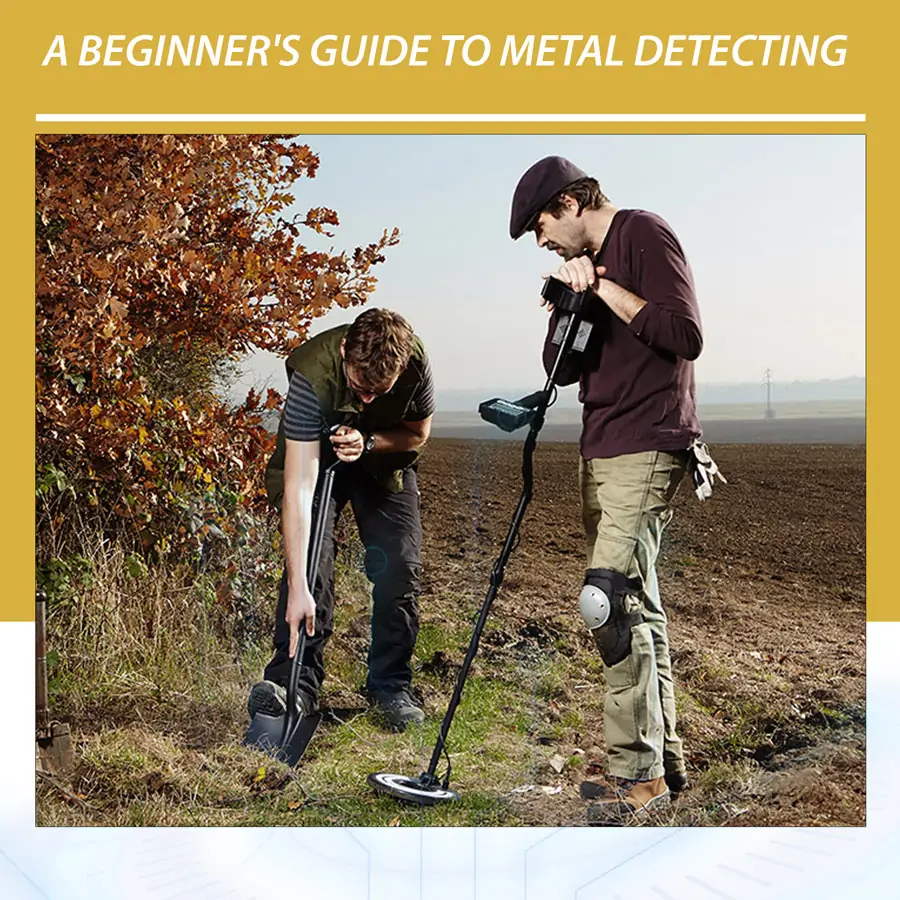
Metal detecting is not just a hobby; it’s an exciting journey that allows you to unearth hidden treasures and connect with the past. If you’re a beginner eager to embark on this thrilling adventure, you’re in for a treat. In this comprehensive guide to metal detecting in 2024, we’ll walk you through the essential steps, equipment, and tips to start your journey into the fascinating world of treasure hunting.
Choosing the Right Metal Detector
The first step in your metal detecting journey is selecting the right detector for your needs. Consider factors such as:
- Purpose: Are you interested in coins, relics, jewelry, or perhaps even gold prospecting? Different detectors are designed for specific types of treasure hunting.
- Terrain: Think about the locations where you plan to detect. Some detectors are better suited for beaches, while others excel in fields or forests.
- Budget: Metal detectors come in a range of prices. Determine your budget and find a detector that offers the best features within that range.
Understanding Detector Settings
Once you have your metal detector, take the time to understand its settings. Key features include:
- Sensitivity: Adjust the sensitivity based on the ground conditions. Higher sensitivity can detect smaller objects but may lead to more false signals in mineralized soil.
- Discrimination: This feature helps you filter out unwanted targets. Set the discrimination level to avoid digging up trash items while focusing on valuable finds.
- Ground Balance: Adjust the ground balance to suit the mineralization of the soil. Proper ground balancing ensures accurate target identification.
Researching and Choosing Locations
Successful metal detecting often comes down to choosing the right locations. Consider:
- Public Places: Parks, beaches, and public spaces are excellent for beginners. Be sure to check local regulations and obtain any necessary permissions.
- Historical Sites: Research local history to identify areas with historical significance. Old homesteads, battlefields, and abandoned sites can yield interesting finds.
- Metal Detecting Clubs: Joining a metal detecting club provides access to experienced enthusiasts who can offer valuable advice on promising locations.
Mastering Detecting Techniques
To maximize your success, learn and practice effective detecting techniques:
- Sweeping Technique: Use a slow and steady sweeping motion, overlapping each swing to ensure thorough coverage.
- Pinpointing: Most detectors have a pinpoint mode to help you locate the exact position of a target. Practice this skill to dig more efficiently.
- Digging Techniques: Invest in a good digging tool and learn proper digging techniques to minimize damage to the surroundings.
Respecting the Environment and Laws
Metal detecting comes with responsibilities. Always:
- Respect Laws: Be aware of local laws and regulations regarding metal detecting. Some areas may require permits, while others may be off-limits.
- Fill Holes: If you dig, fill your holes. Leave the environment as you found it to maintain a positive image for the metal detecting community.
Learning from the Community
Metal detecting has a vibrant and supportive community. Take advantage of:
- Online Forums: Join metal detecting forums to share your experiences, ask questions, and learn from seasoned detectorists.
- Social Media Groups: Platforms like Facebook have dedicated metal detecting groups where enthusiasts share tips, finds, and advice.
Patience and Persistence
Metal detecting is a skill that improves with time and practice. Be patient and persistent, and don’t get discouraged by days with fewer finds. Each hunt is a learning experience that brings you closer to discovering something extraordinary.
If you’re new to the exciting world of metal detecting, choosing the right detector can make all the difference in your experience. Here are a few examples of beginner-friendly metal detectors that offer great features without overwhelming you with complexity.
Garrett Ace 200
- Simplicity for Starters:
- The Garrett Ace 200 is an excellent entry-level metal detector designed with beginners in mind. It comes with a simple interface and easy-to-use controls, making it perfect for those just starting their metal detecting journey.
- Target ID and Discrimination:
- The Target ID feature helps you identify what’s beneath the surface, and the discrimination function allows you to filter out unwanted items, focusing on valuable targets.
- Lightweight Design:
- Weighing in at just over 2 pounds, the Garrett Ace 200 is lightweight and easy to handle, reducing fatigue during extended detecting sessions.
Fisher F44
- Weather-Resistant Performance:
- The Fisher F44 is known for its weather-resistant design, allowing you to detect in various conditions. Whether it’s a sunny day or a bit drizzly, the F22 can handle it.
- Visual Target ID:
- Equipped with a visual target ID, the F22 provides a clear display of the target’s probable identity, helping you make informed decisions on whether to dig or move on.
- Adjustable Sensitivity:
- The sensitivity control allows you to adjust the detector’s sensitivity based on the ground conditions, ensuring optimal performance in different environments.
Minelab Vanquish 340
- Multi-IQ Technology:
- The Minelab Vanquish 340 stands out with its Multi-IQ technology, enabling it to simultaneously use multiple frequencies for enhanced target detection. This feature is usually found in higher-end detectors.
- Audio and Visual Feedback:
- With both audio and visual target feedback, the Vanquish 340 ensures that you not only hear but also see potential finds, making your detecting experience more engaging.
- Compact and Collapsible:
- The compact and collapsible design of the Vanquish 340 makes it easy to transport and store, ideal for beginners who may not have dedicated space for large equipment.
These beginner-friendly metal detectors offer a great balance of features, ease of use, and affordability. As you start your metal detecting journey, consider your preferences, the type of detecting you plan to do, and your budget to find the perfect detector that suits your needs.
Remember, the key to successful metal detecting is practice and patience. Happy hunting!
Armed with this beginner’s guide to metal detecting in 2024, you’re ready to dive into a hobby that combines adventure, history, and the thrill of discovery. Remember to stay curious, respect the environment, and enjoy the journey as you uncover the hidden treasures waiting beneath the surface.
Frequently Asked Questions
- Can I metal detect on public beaches?
- In many cases, yes. However, it’s essential to check local regulations and obtain any necessary permits before detecting on public beaches.
- What’s the best metal detector for beginners?
- How deep can metal detectors detect?
- The depth depends on various factors, including the detector’s technology, the size of the target, and the soil conditions. In general, detectors can detect objects several inches to a foot or more underground.
- Is it legal to metal detect in public parks?
- Laws vary by location, so it’s crucial to check local regulations. In many places, metal detecting is allowed in public parks, but it’s always best to confirm to avoid any legal issues.
- Can I metal detect in historical sites?
- It depends on the site and local regulations. Some historical sites may have restrictions, while others may welcome metal detectorists. Always obtain permission and respect the rules of the location.