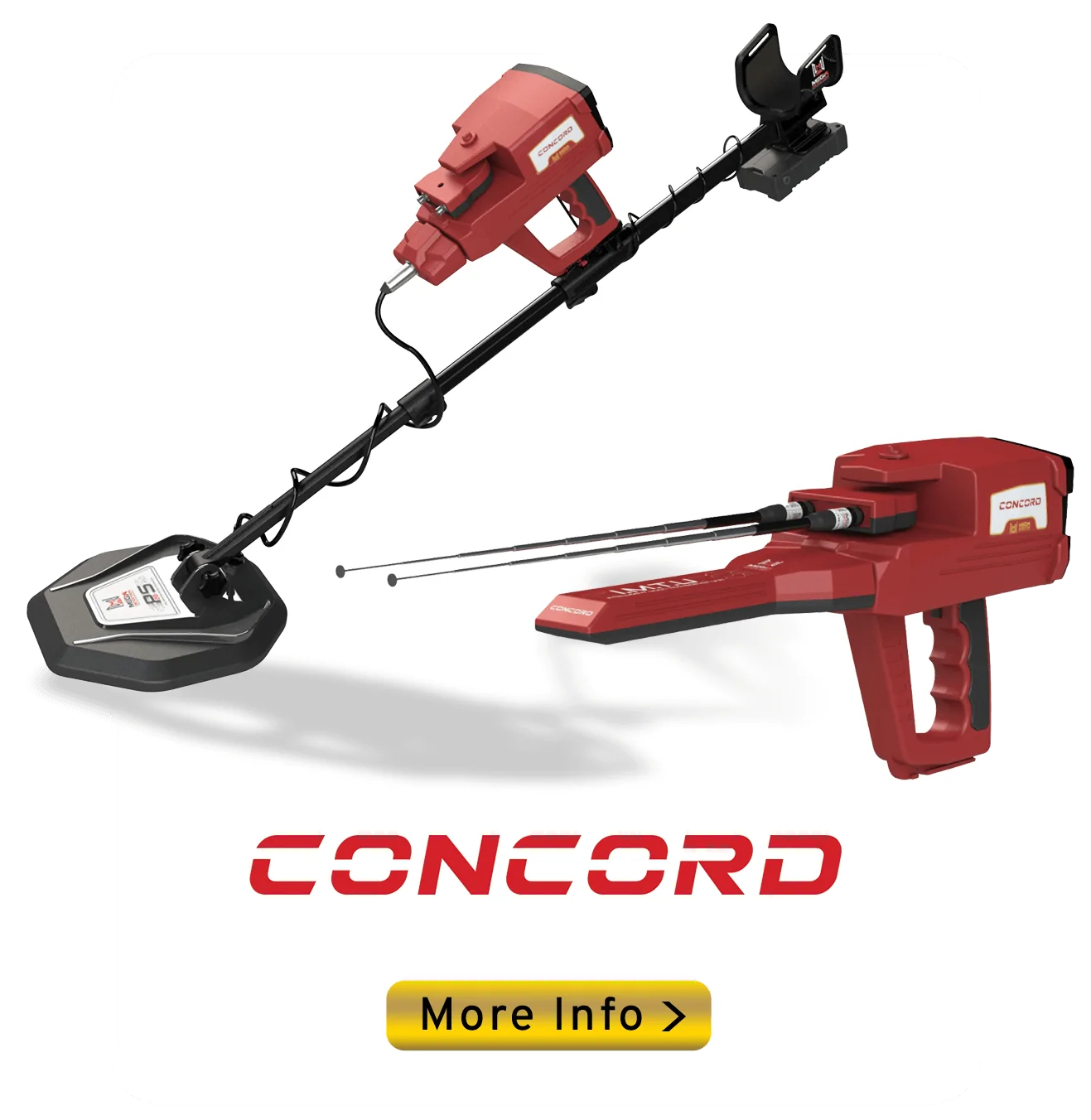

Gold Detectors the truth about discoveries
Gold detectors are among the most important tools used in the search for precious metals and buried treasures. These devices have witnessed significant development in recent years thanks to technological advances in electronic sensing and signal analysis. With the spread of advertisements claiming remarkable discoveries and extreme detection depths, many prospectors and treasure hunters wonder about the real capabilities of these devices in practical field conditions.
How Do Gold Detectors Work?
Gold detectors rely on different technologies to detect metallic targets buried beneath the ground. They transmit specific signals or waves and then analyze the response generated by the presence of metal objects. The efficiency of a detector varies depending on the technology used, soil conditions, target size, and target depth.
Gold Detectors the truth about discoveries
Gold detectors have achieved real and documented results in many exploration and prospecting operations around the world. They have contributed to the discovery of gold items, ancient coins, jewelry, and historical artifacts buried for many years. However, the success of a search operation does not depend solely on the detector itself. It is also influenced by the user’s experience and their ability to operate the device correctly and accurately interpret its signals.
Factors Affecting Detection Results
Several factors determine the success of discoveries, including:
The type of detector and its technology.
The size of the metallic target.
The depth of the target underground.
The nature of the soil and its mineral content.
The user’s experience in setting up and operating the device.
Between Reality and Advertising
It is important to distinguish between the actual capabilities of detectors and some exaggerated marketing claims. Professional detectors are capable of locating metals and gold effectively within known technical limits. However, no detector can guarantee finding gold anywhere or surpass the physical limitations related to detection depth and target size.
Conclusion
Gold detectors are effective tools that help prospectors and researchers locate precious metals and buried targets when used correctly. Successful discoveries depend on combining a reliable detector with practical field experience and a good understanding of the target area’s characteristics, increasing the chances of obtaining accurate and successful results.