Gold Stinger X6 All Metals Mode Complete Guide

Gold Stinger X6 All Metals Mode Complete Guide

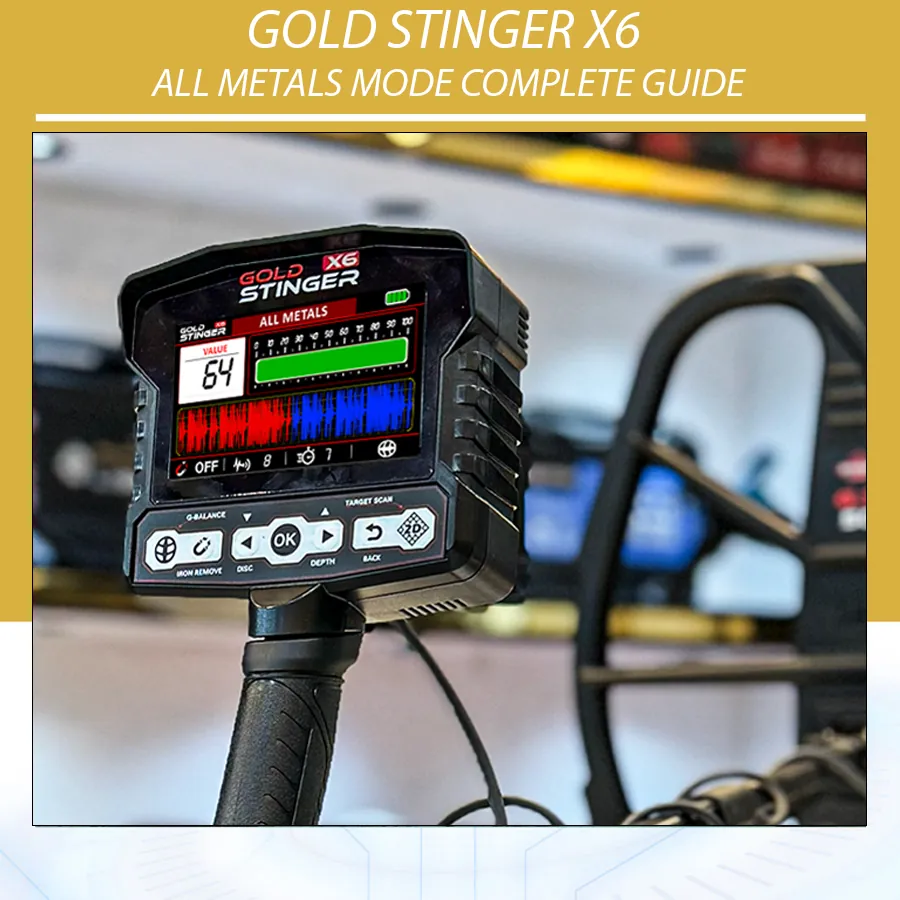
Gold Stinger X6 All Metals mode is designed to respond to ferrous and non-ferrous metals without using discrimination as the first filter. It is a useful starting point when you want to understand what is in the ground before deciding which responses deserve more investigation. This guide explains the manual’s values, value bar and linear […]
Upgrading Your Metal Detector When Is It Worth It

Upgrading Your Metal Detector: When Is It Worth It?

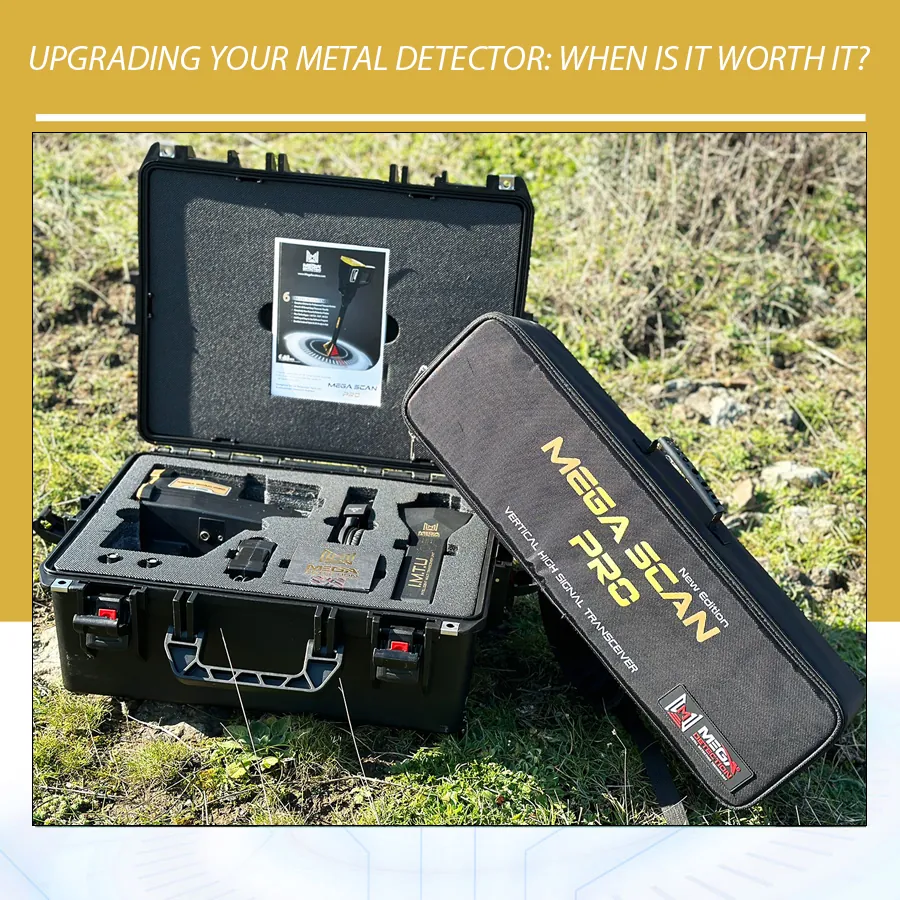
Upgrading your metal detector is worth considering when you can name a recurring limitation, reproduce it and show that another setup addresses it. Wanting a newer model is understandable, but a useful upgrade decision connects features to the places you search, the targets you pursue and the amount of time you can comfortably spend detecting. […]

Choosing a Metal Detector Coil A Practical Guide

Choosing a Metal Detector Coil A Practical Guide

Choosing a metal detector coil starts with compatibility, then moves to the targets and ground you actually search. A small coil can improve access and control in crowded ground; a larger coil can cover open areas efficiently and help with some deeper targets. The useful choice depends on whether you can maintain stable operation, accurate […]

Metal Detecting for Beginners Your First Day

Metal Detecting for Beginners: Your First Day

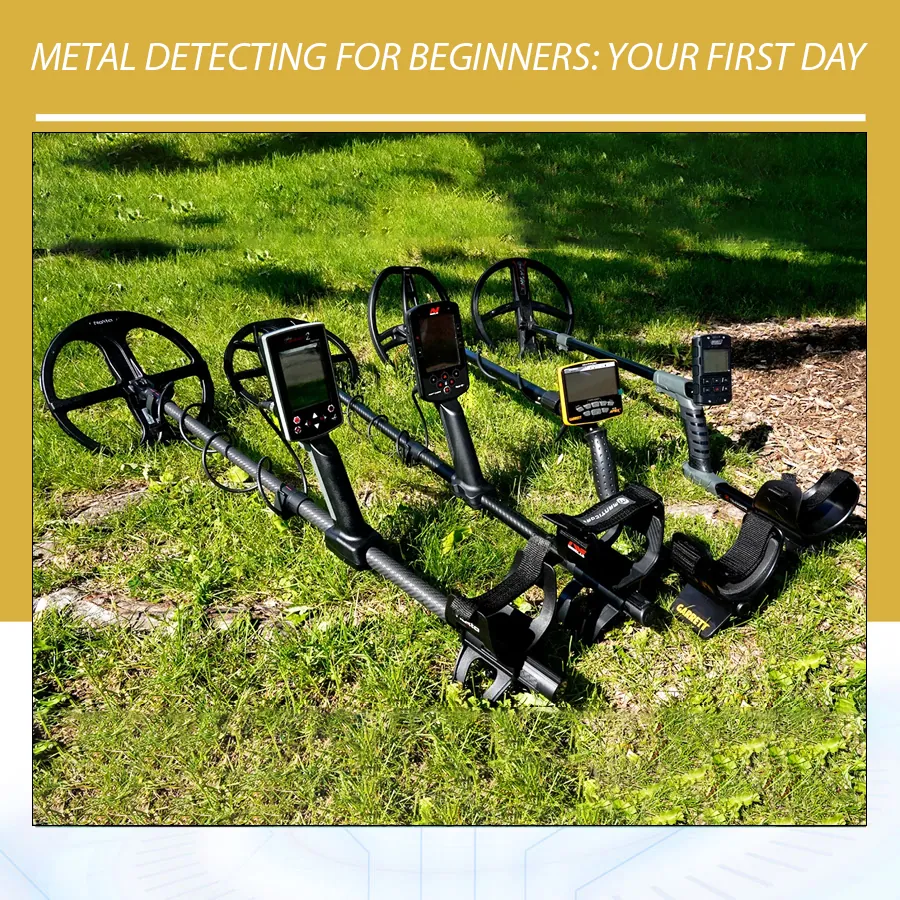
Metal detecting for beginners works best when the first outing is a lesson you can repeat. You do not need a valuable find to prove that the day was useful. You need to assemble the detector correctly, create a stable setup, recognize a known target, locate its centre and recover it without losing track of […]

Gold Stinger X6 Ground Balance Complete Guide

Gold Stinger X6 Ground Balance Complete Guide

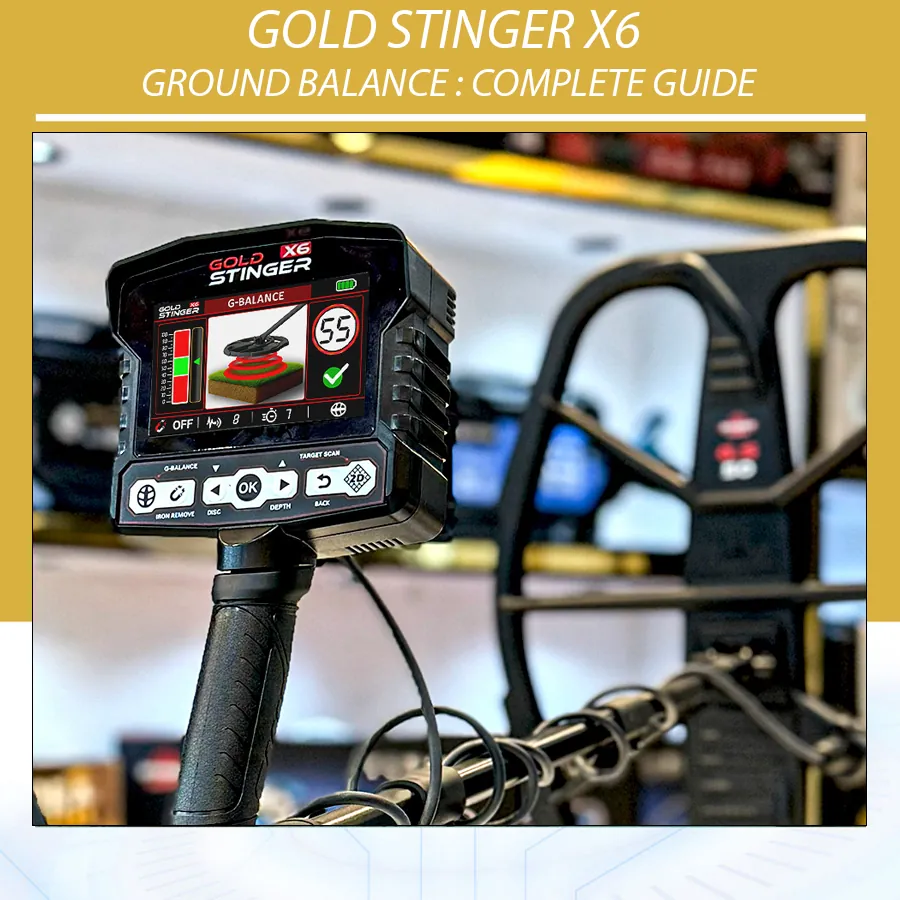
Gold Stinger X6 ground balance is the first calibration step after the detector starts. It helps the control box account for the soil beneath the coil so that mineral response is less likely to be mistaken for a target. This guide explains the manufacturer’s manual procedure, the meaning of an accepted or rejected calibration, when […]

Gold Stinger X6 Controls and Startup Guide

Gold Stinger X6 Controls and Startup Guide

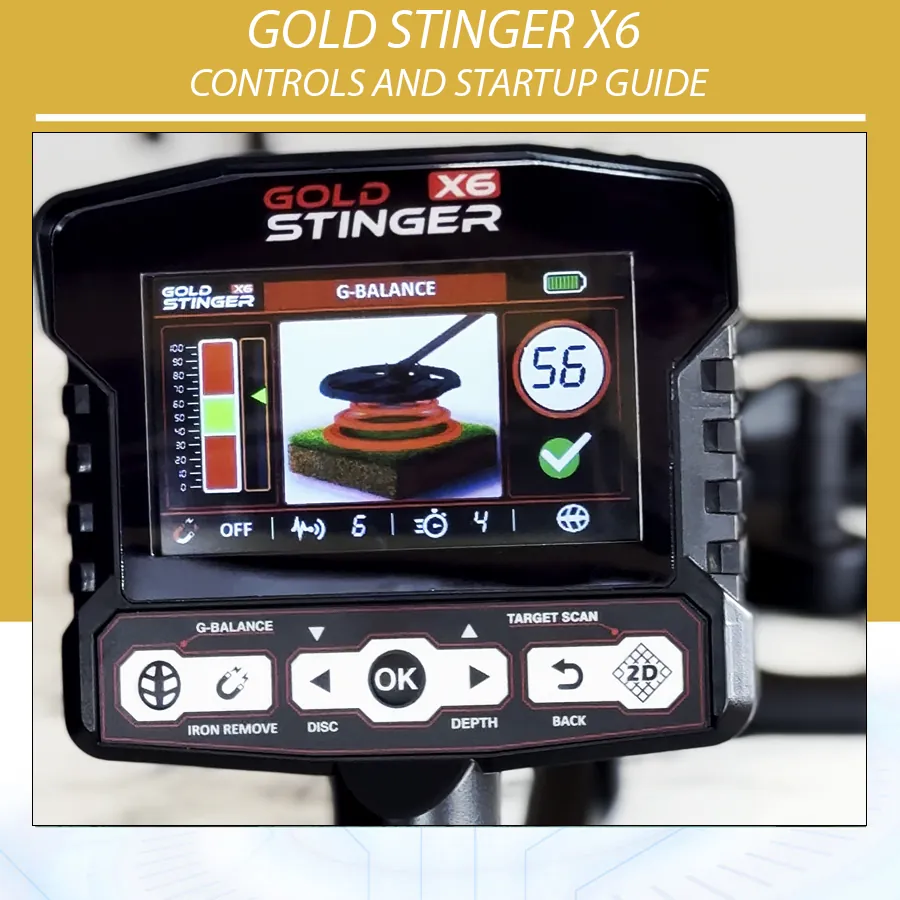
Gold Stinger X6 controls are designed to take the user from power-on to ground balance and then into a selected search system. Learning the physical ports, keypad shortcuts, display behavior and startup sequence makes later choices such as Sensitivity, Turbo, Iron Remove and Target Scan easier to use correctly.This guide is based on the supplied […]

Gold Stinger X6 Assembly Guide

Gold Stinger X6 Assembly Guide: Step-by-Step Setup

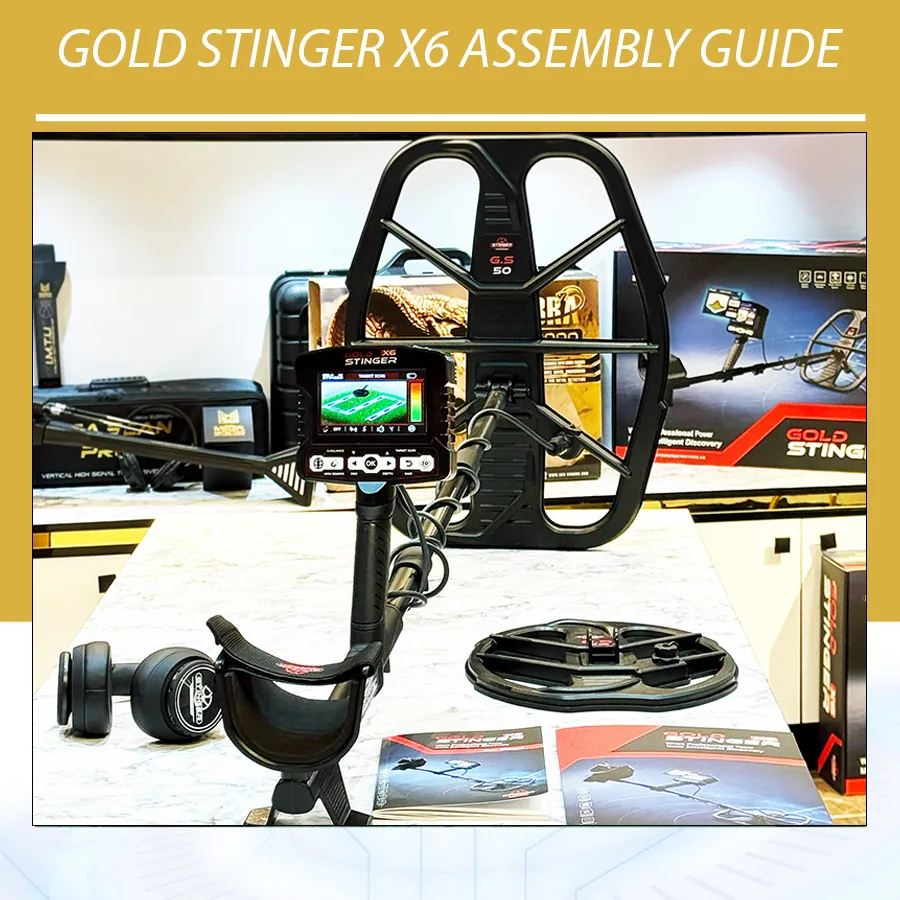
Correct Gold Stinger X6 assembly protects the coil connectors, keeps the search coil stable and gives the operator a comfortable sweep. The process includes mounting the control box, joining the three shaft sections, installing either the GS30 or GS50 coil, routing the cable and checking coil connectivity before ground balance.This guide expands the ten assembly […]

Gold Stinger X6 Coils GS30 vs GS50 Complete Guide

Gold Stinger X6 Coils: GS30 vs GS50 Complete Guide

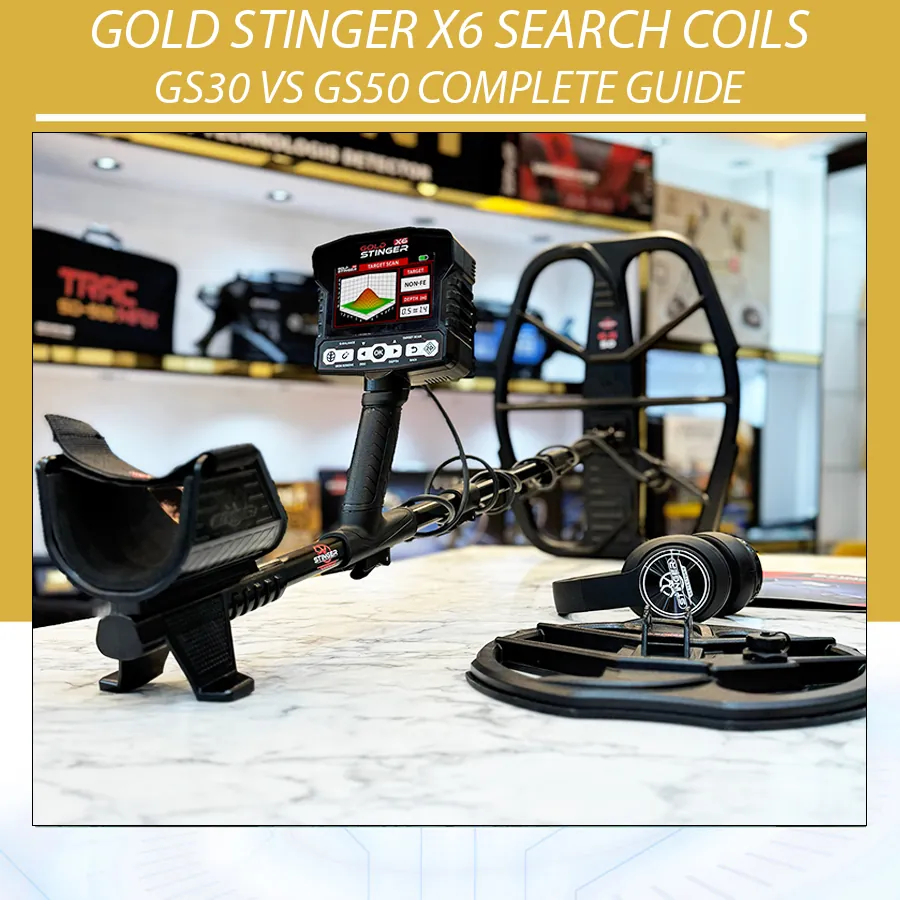
The two Gold Stinger X6 coils give the detector different search characteristics. The larger GS50 is designed for wider ground coverage and the manufacturer’s larger or deeper-target priority. The smaller GS30 is designed for small-target sensitivity, tighter spaces and better maneuverability in cluttered ground. Choosing correctly can improve stability and target separation before any setting […]

Gold Stinger X6 package content

Gold Stinger X6 Package Contents: Complete Guide

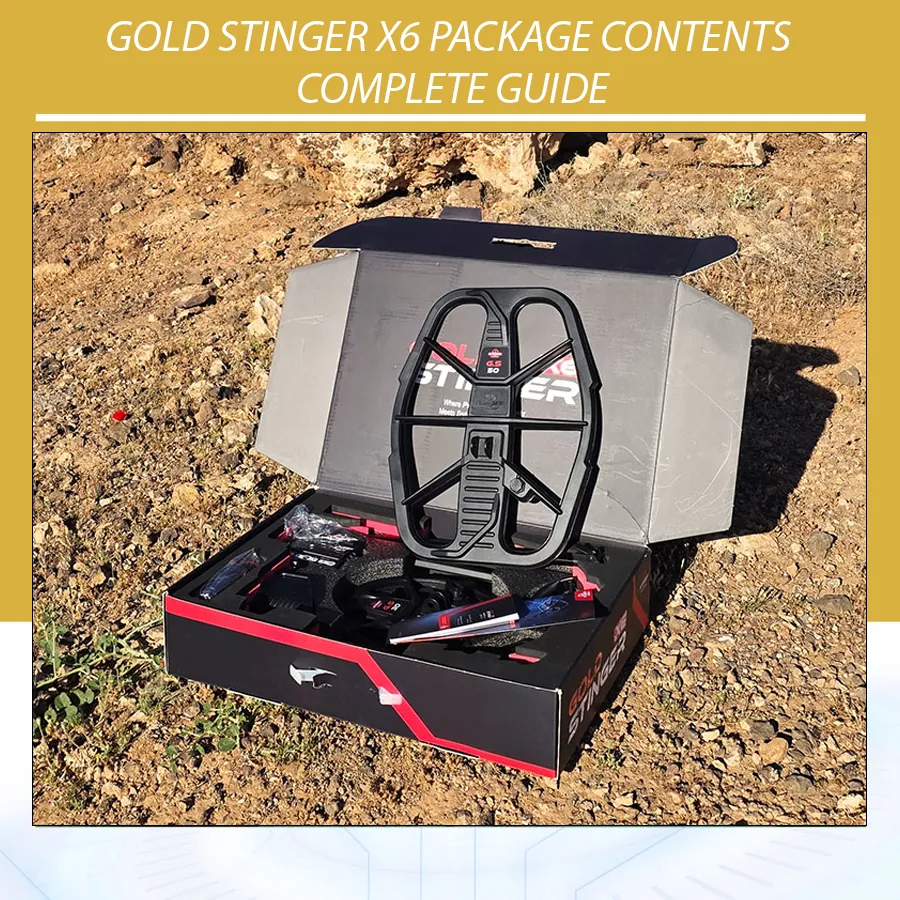
The Gold Stinger X6 package contents give the user two search-coil options, a three-section shaft, the control unit and the accessories needed for assembly, listening and charging. Checking every component before the first field trip prevents setup delays, protects connectors from incorrect installation and confirms that the selected coil and power accessories are ready for […]

Gold Stinger X6 Complete Guide Systems, Settings and Field Use

Gold Stinger X6 Complete Guide: Systems, Settings and Field Use

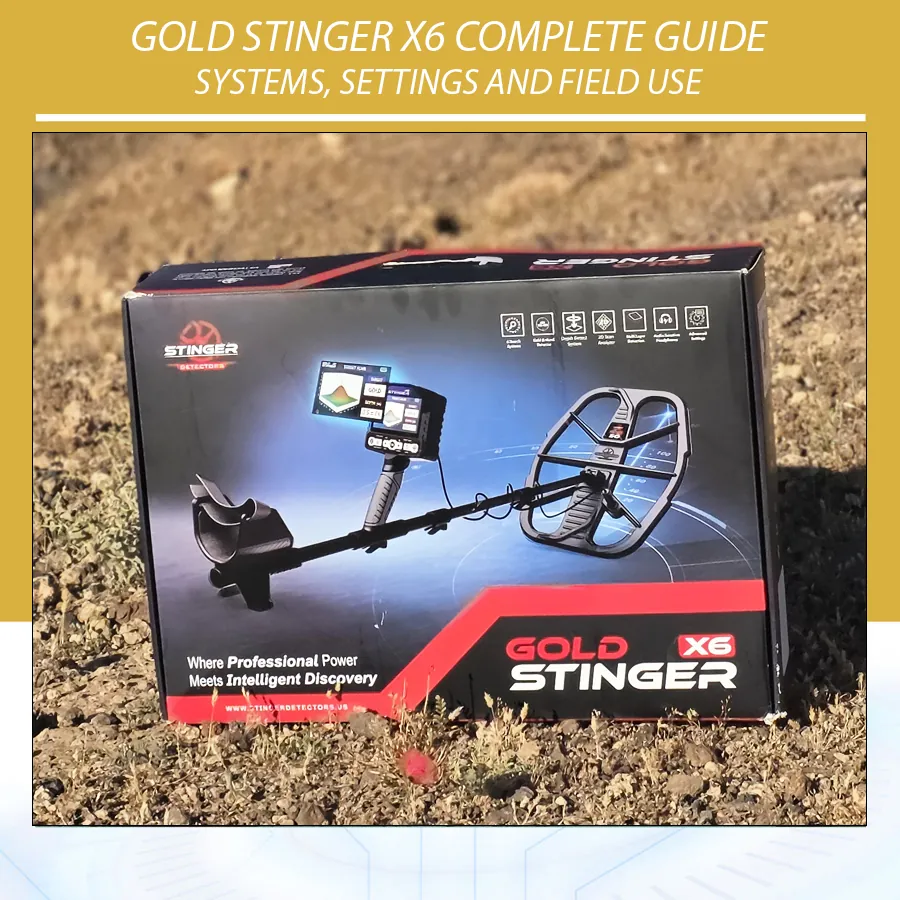
The Gold Stinger X6 is a multi-system detector designed to give the operator several ways to search, classify, locate and evaluate underground responses. Its interface combines an initial ground-balance procedure with All Metals, Pin Pointer, Discrimination, Depth Detect, Cavity Test and Target Scan functions. It also includes two interchangeable search coils, adjustable sensitivity, Turbo power, […]

How to Build a Metal Detector Test Garden

How to Build a Metal Detector Test Garden

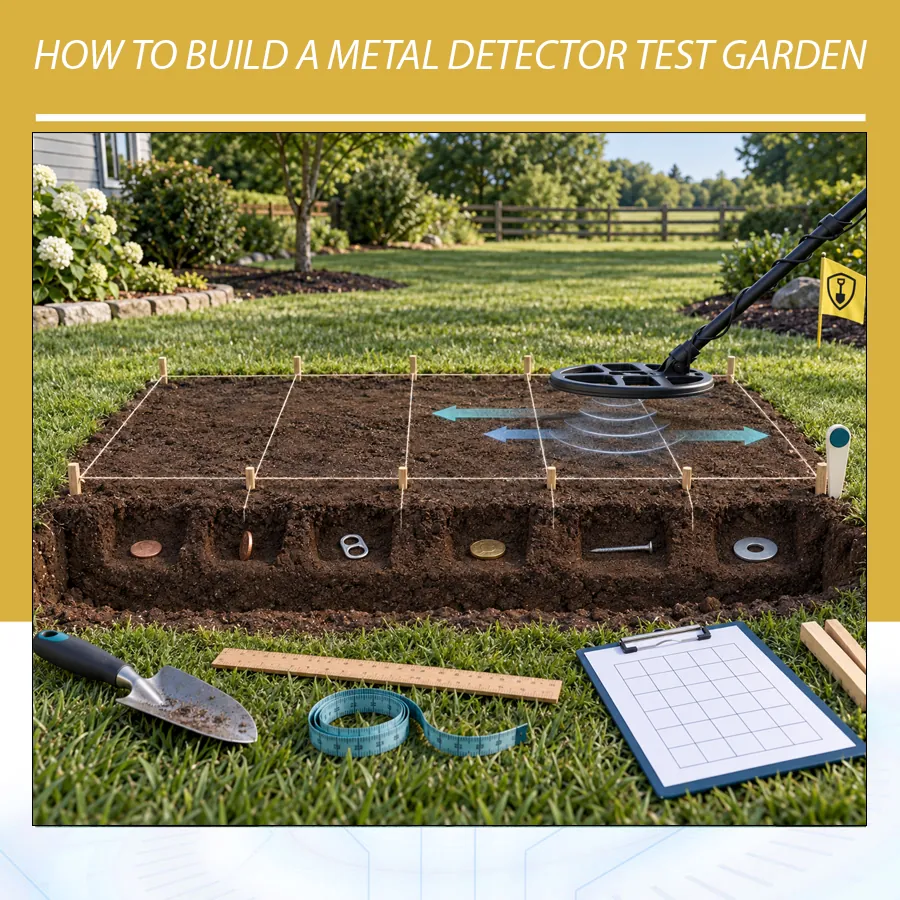
A metal detector test garden is a small, documented area where known objects are buried at measured positions so you can practise, compare settings, and observe how targets behave in real soil. Unlike an air test, it includes ground mineralisation, moisture, compaction, target orientation, and the small variations that make field detecting difficult. Unlike an unknown field […]

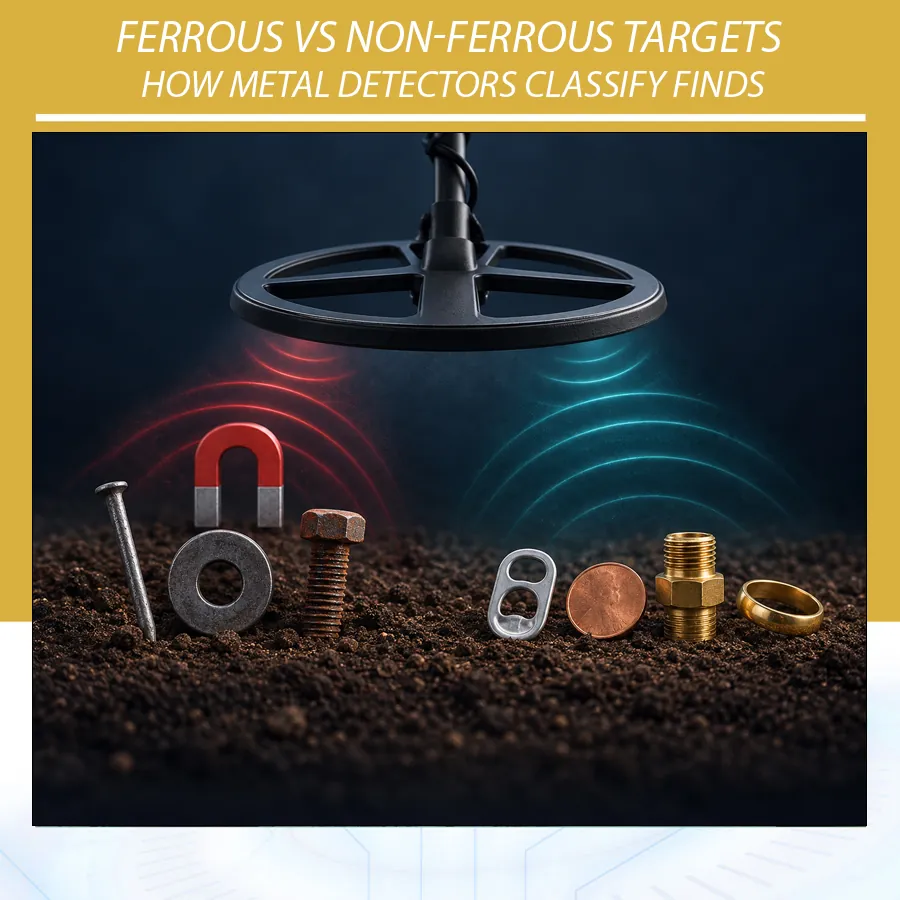
Ferrous vs Non-Ferrous Targets How Metal Detectors Classify Finds

Ferrous vs Non-Ferrous Targets: How Metal Detectors Classify Finds

Understanding ferrous vs non-ferrous targets is one of the first skills that makes metal detecting more productive. In simple material terms, ferrous objects contain iron as a significant component, while non-ferrous objects do not. In the field, however, a detector does not perform a laboratory analysis. It measures an electromagnetic response and places that response into an […]

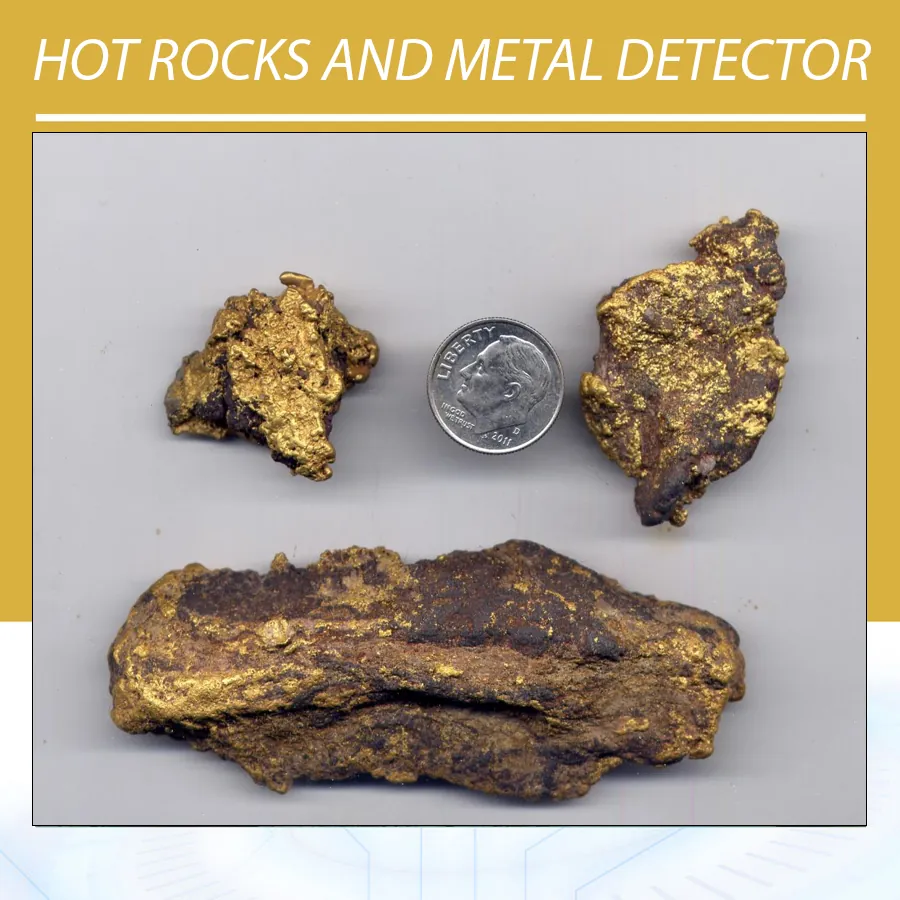
Hot Rocks and Metal Detector

Hot Rocks and Metal Detectors

Hot Rocks and Metal Detectors: Why Some Rocks Produce Signals Hot rocks in metal detecting are rocks that produce a noticeable response because their electromagnetic properties differ from the ground around them and the ground response your detector is compensating for. You may hear a sharp beep, an awkward warble, or a dip in the […]

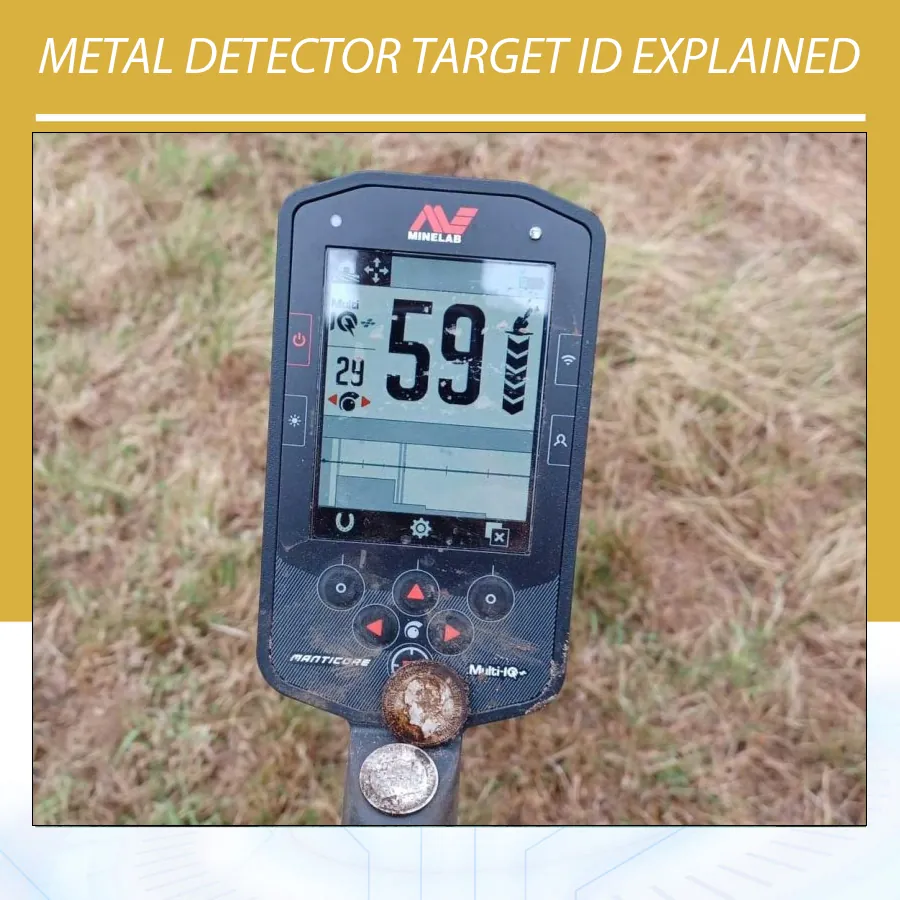
Metal Detector Target ID Explained

Metal Detector Target ID Explained

Metal Detector Target ID Explained: A Complete Guide to Reading Numbers If you use a modern metal detector, you have probably seen a number appear on the screen when the coil passes over a target. This number is called the metal detector target ID. It can help you decide whether a signal may be an iron […]

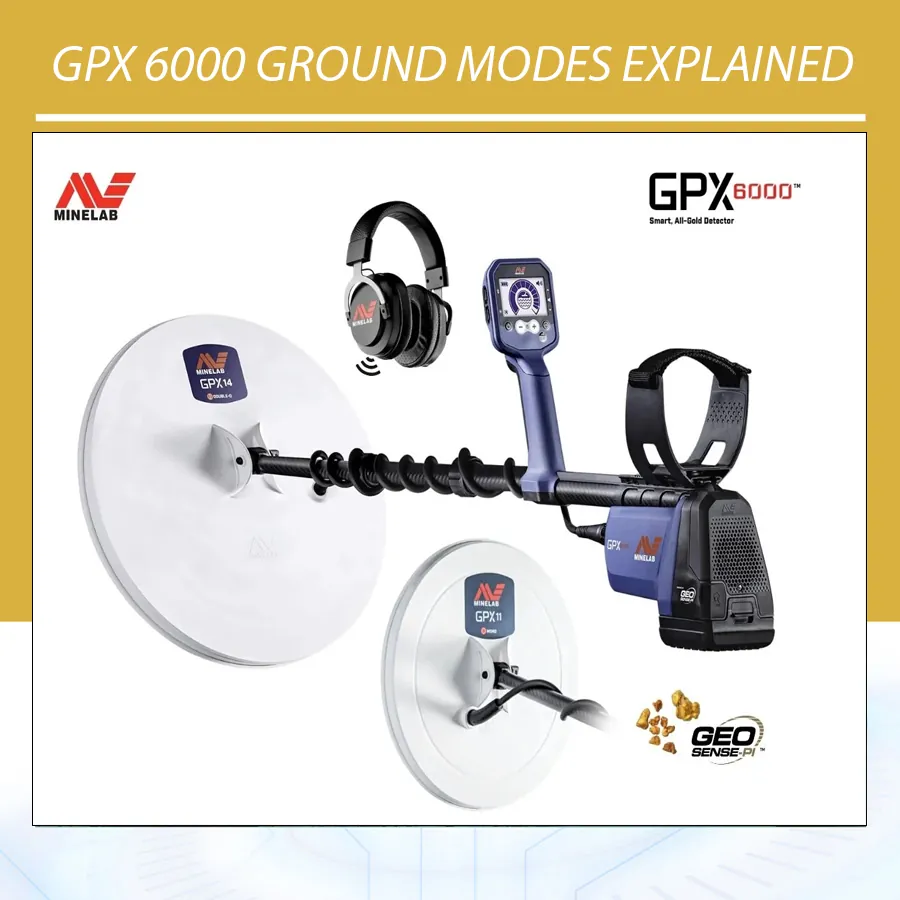
GPX 6000 Ground Modes Explained

GPX 6000 Ground Modes Explained: Normal, Difficult, and Severe

GPX 6000 Ground Modes Explained: Normal, Difficult, and Severe The Minelab GPX 6000 is a professional pulse induction gold detector built for serious gold prospecting in mineralized soils. It is known for GeoSense-PI technology, automatic functions, light weight, and strong performance on both fine gold and larger nuggets. But to get the best results, users […]

How to Set Ground Balance on Gold Detectors Correctly

How to Set Ground Balance on Gold Detectors Correctly

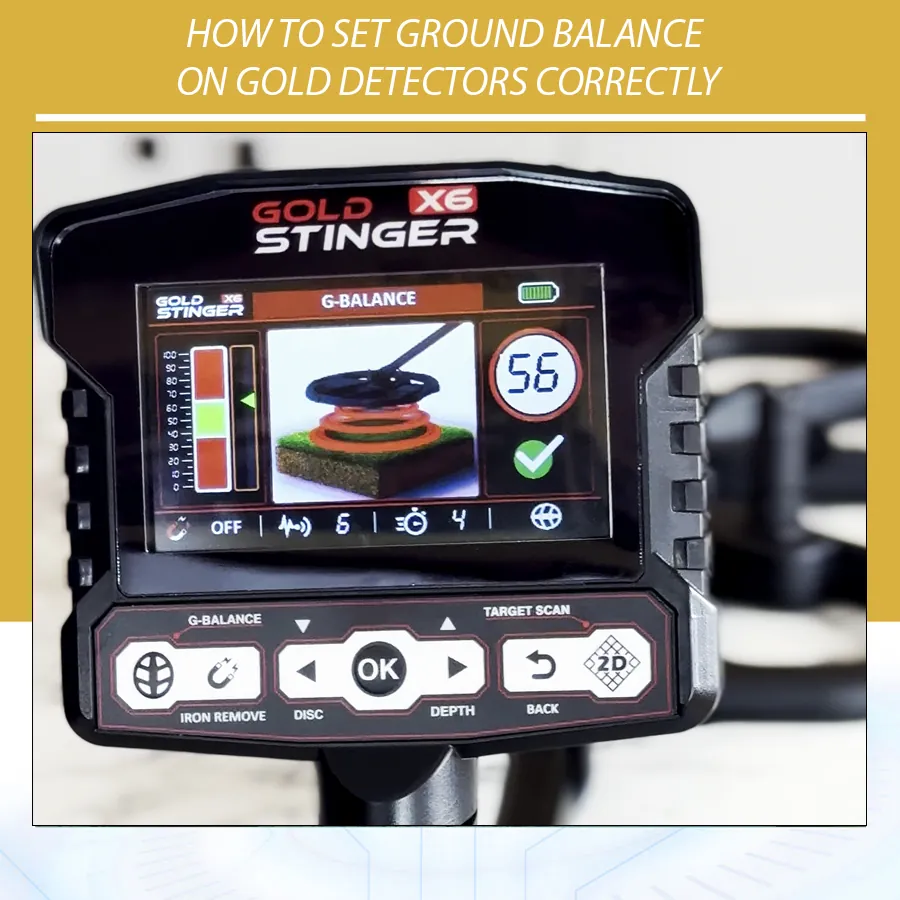
How to Set Ground Balance on Gold Detectors Correctly Ground balance is one of the most important skills in gold detecting. It is also one of the most misunderstood. Many beginners focus on depth, sensitivity, and coil size, but forget that mineralized ground can sound like a target. If your detector is not balanced to […]

How to Use GR-4 DUAL for Cavities, Voids, and Buried Treasures

How to Use GR-4 DUAL for Cavities, Voids, and Buried Treasures

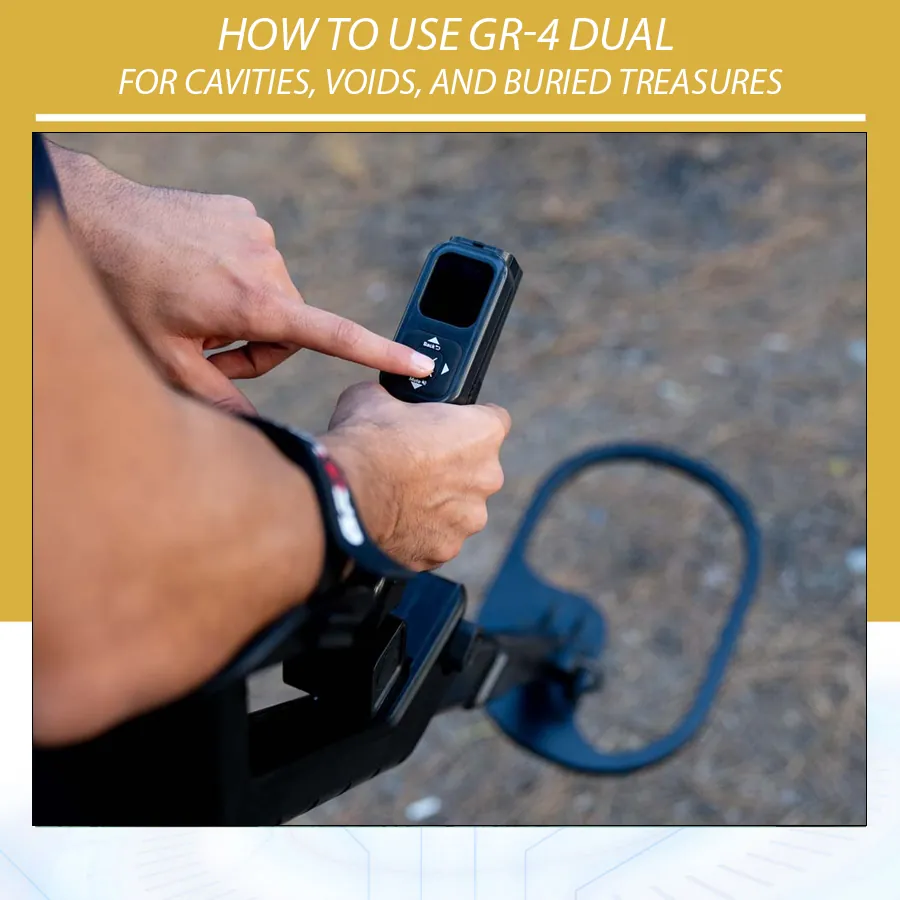
How to Use GR-4 DUAL for Cavities, Voids, and Buried Treasures The GR-4 DUAL, also known in product listings as GR-4 GroundTech, is a 3D ground scanning system designed for users who need visual information about what may be hidden below the surface. Unlike a standard audio metal detector that mainly gives a tone when the […]

How to Use Gold Monster 2000 to Find Small Gold Nuggets

How to Use Gold Monster 2000 to Find Small Gold Nuggets

How to Use Gold Monster 2000 to Find Small Gold Nuggets The Minelab Gold Monster 2000 is designed for one clear purpose: helping prospectors find small gold nuggets with less guesswork. It is not a deep treasure scanner, a coin specialist, or a cavity detector. It is a lightweight gold detector built for fine gold […]


gold detectors