Exploring Metal Detecting as a Lucrative Hobby
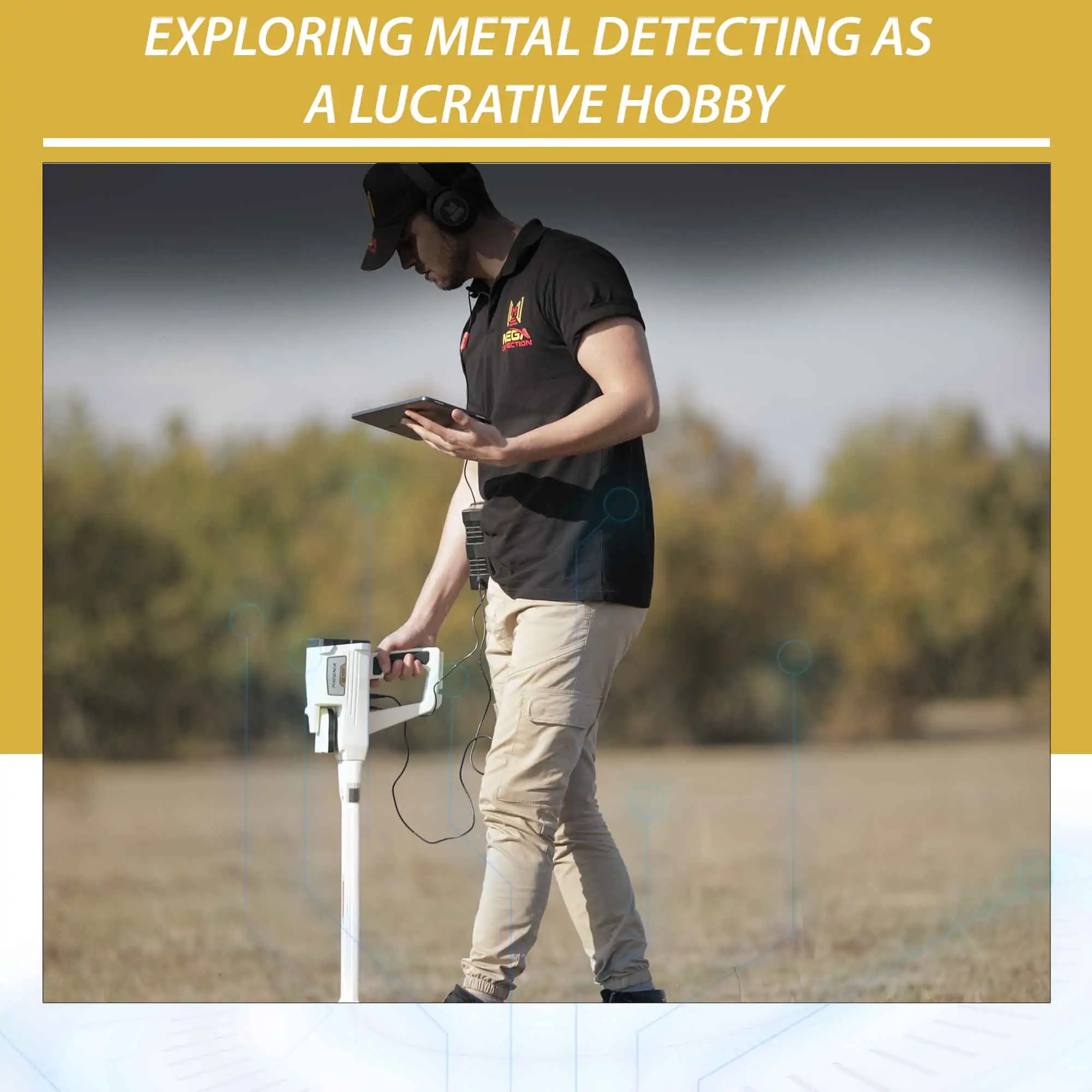
Metal detecting is a captivating hobby that appeals to individuals of all ages. Beyond being a recreational activity, it can also be a profitable venture for those with a keen eye and a passion for discovery. In this blog post, we will explore some of the most profitable ways to use a metal detector.
How to Get Started Metal Detecting
Getting started with metal detecting is easy! So easy, in fact, there isn’t much basic equipment you need to get started. The equipment you’ll need to start metal detecting includes:
- Metal detector
- Digging tool
- Headphones
- Carry case for your equipment
- Pouch to hold your treasure and trash
For those who want more info on metal detecting, consider buying a detectorist manual or guidebook! These resources include various tips and tricks for metal detection and information about different types of metals and relics that might be found using the equipment.
Metal detecting involves taking your metal detector out to an area with a high probability of having valuable objects there and then using it until you find something. If you’ve never used one before, a metal detector usually gives off a sound when it detects something.
Different metal detectors will give different sounds for finding different objects – iron vs. copper vs. gold, etc. All you need to start as a hobbyist is a simple handheld metal detector.
A wide range of detectors is available on the market. An entry-level metal detector may be all you need if you’re just starting out. A reliable, easy-to-use, and versatile metal detector may have enough features for an amateur hobbyist to learn from while spending less than other metal detectors. By watching videos or reading books about how to use a metal detector to find treasure, you can maximize the return on your investment!
Metal Detecting for Coins or Jewelry
Jewelry metal detecting is the most popular type of metal detecting. The equipment for this hobby is small and lightweight to be used in narrow or cluttered areas, such as when you’re searching for lost items like earrings on the beach or when seeking rare coins.
It does not matter what your physical abilities are or how old you are, anyone can enjoy coin hunting. This type of sport not only provides exercise, relaxation, and excitement but can also be enjoyed alone or with friends as well. There are a lot of exciting places that are ideal for coin hunting, such as beaches, school yards, parks, ball fields, and old houses.
Most detectors include a standard, medium-sized search coil. Coin-size objects can be detected with these conventional coils with sufficient depth and sensitivity. You may also opt for a bigger search coil if you’re targeting deeper targets or a smaller coil if you’re searching for things that are smaller or closer together.
To find coins with a metal detector, you should do some research on the coinage that is available in your area so that you know what kind of metals they are composed of and roughly how old they might be. Finding old coins can be educational and exciting, and some collectors may find even more joy in restoring them to their original condition.
Relic Metal Detecting
Relic metal detecting is one of the more popular types of metal detecting. From Civil war bullets to buckles and buttons and other weapons, there is a lot to find! It’s often carried out by people who are interested in history or have an interest in military artifacts, though this is not necessarily always the case. Relics can be found buried underground and underwater or in the contents of other cases or structures; it all depends on where you happen to be digging or swimming!
Relics are generally found with a metal detector that is more advanced. A lot of beginner detectors are not capable of finding relics because they don’t have the required features to cope with the loss of lower frequencies in certain metals, which means that only beginner detectors may only detect some targets at close range. With this said, there are some high-tech relic metal detectors out there on the market today.
How Deep Will Metal Detectors Go?
Metal detecting for buried coins, relics, or other valuables is a popular hobby. People use all sorts of detectors, and some people believe the deeper you want to go, the more expensive your detector should be. The depth of what can be detected depends on how much metal is in the target object.
Gold Metal Detecting
To search for gold with a gold metal detector, you’ll need to be able to distinguish between gold and other metals. For this reason, you should set the discrimination on your metal detector low enough to accept only signals from small gold nuggets. If you set your discrimination high, it will filter out trash items, like bottle caps, that you come across, so you don’t have to dig them up. The downside is that you may miss some of the smaller, more valuable targets like gold jewelry if it is set too high.
There are two superior types of gold detectors-very low frequency (VLF detector) and pulse induction (PI). VLF detectors designed to find gold has a higher operating frequency than other models in order to detect smaller golden nuggets.
Underwater Metal Detecting
Metal detectors that are able to work underwater fall into two categories: pulse induction (PI) metal detectors and very low frequency (VLF) metal detectors. By sending non-water-affected electronic pulses, underwater operation of pulse induction metal detectors is possible.
Underwater metal detectors with pulse induction technology send electronic pulses that are unaffected by water and wet minerals. They transmit rapid electrical impulses that are sensitive to precious metals, allowing them to detect through wet or mineralized soil.
Pulse induction metal detectors are excellent choices for treasure hunters and recreational users due to their ease of use, even when the user is not an underwater hobbyist.
Beach Metal Detecting
Depending on the type of metal detector you have, you may search for metals in both water and on land. The most sophisticated metal detectors are used to find precious items on the beach. In fact, some metal detectors are designed specifically for beach metal detecting. By exploring the best beach metal detectors and the beach metal detecting tips that are available, you too can find success while detecting in the surf and sand.
The best metal detectors for beaches or deeper treasure hunting are those that use PI technology. This Pulse Induction (PI) technology is used in the very best beach units. Minerals are ignored by these types of detectors, so you can pick up your detector and start searching for treasure immediately. The best type of metal detector if you are spending a lot of time at the beach is this type of metal detector.
It is very important to understand how your metal detector works, as well as where you can go to find some great treasures during beach hunting with a metal detector.
Benefits of Metal Detecting
Metal detecting takes you to different terrains out in the fresh air. It can be a very relaxing hobby while enjoying the peaceful tranquility of nature. Locating old coins, jewelry, and relics (items of interest from past generations) stimulates the mind as you’re learning about their history, value, and the people who once owned them.
You will also learn a great deal about your city when you embark upon a treasure hunt. Before setting out, it’s a good idea to do some research in the town room of your local library. This will help determine which types of treasure are most likely to be found in your neck of the woods. If you are near the ocean or beach, you may want to hunt for lost coins and jewelry along the shoreline.
Conclusion
Metal detecting is not only an enjoyable hobby but also a profitable venture for those who approach it with dedication and passion. Whether you choose to treasure hunt, coin shoot, prospect for gold, offer metal detecting services, the possibilities for making money in this field are vast. Remember to abide by local laws and regulations, respect private property, and continue learning and improving your skills. So, gear up, head out, and let your metal detector lead you to exciting discoveries and potential profits!