Enhancing Your Results with Metal Detectors
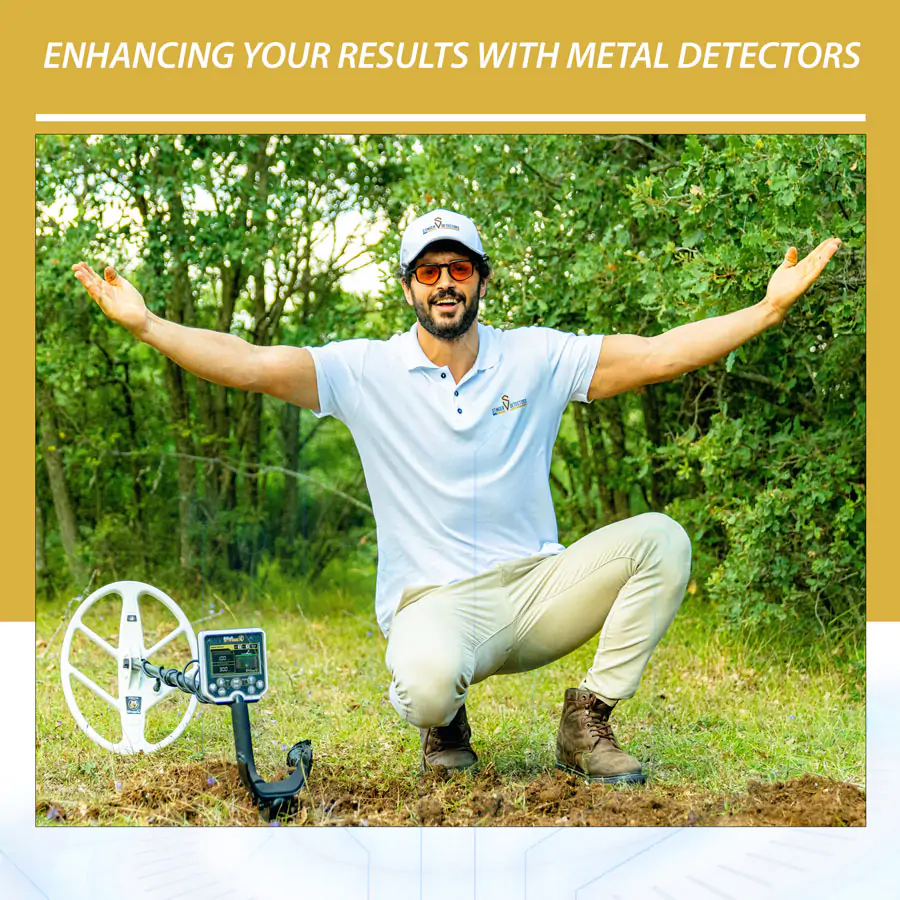
Metal Detectors is not just a hobby; it’s an exciting journey that can lead you to uncover hidden treasures and pieces of history buried beneath the earth’s surface. Whether you’re a novice or an experienced detectorist, there are always ways to enhance your results and make your treasure-hunting adventures more fruitful.
Introduction to Metal Detectors
Metal detectors are electronic devices designed to detect the presence of metal objects buried underground or hidden within other materials. These devices work by generating electromagnetic fields that interact with metallic objects, producing signals that are detected by the detector’s coil.
Understanding How Metal Detectors Work
Electromagnetic Fields and Metal Detection
Metal detectors rely on the principles of electromagnetism. When an electric current flows through a wire coil in the detector’s search head, it creates a magnetic field around the coil. When this magnetic field encounters a metallic object, it induces an electric current in the object, which in turn generates a magnetic field of its own. This interaction between the detector’s magnetic field and the object’s magnetic field produces a signal that is detected by the detector.
Types of Metal Detectors
There are various types of metal detectors available, each designed for specific purposes. Some common types include:
- Very Low Frequency (VLF) detectors
- Pulse Induction (PI) detectors
- Beat Frequency Oscillation (BFO) detectors
Getting Started with Metal Detecting
Before embarking on your treasure-hunting journey, it’s essential to equip yourself with the right tools and knowledge.
Choosing the Right Metal Detector
The first step is to choose a metal detector that suits your needs and budget. Consider factors such as the type of terrain you’ll be detecting in, the depth and size of targets you’re looking for, and any special features you require.
Essential Accessories
In addition to a metal detector, there are several accessories that can enhance your metal detecting experience, including:
- Headphones
- Digging tools
- Carry bags or harnesses
Techniques for Effective Metal Detecting
Sweeping Patterns
When scanning an area with your metal detector, use overlapping sweeping patterns to ensure thorough coverage and maximize your chances of detecting buried objects.
Proper Ground Balance
Adjusting the ground balance settings on your metal detector is crucial for minimizing interference from mineralized soil and enhancing target detection.
Target Identification
Learn to interpret the signals produced by your metal detector to identify potential targets accurately. Pay attention to factors such as signal strength, tone, and target depth.
Where to Search for Hidden Treasures
Knowing where to search can significantly impact your chances of finding valuable treasures.
Parks and Public Areas
Public parks and recreational areas are popular metal detecting spots, offering a wide range of potential targets, including coins, jewelry, and relics.
Beaches and Shorelines
Beaches are treasure troves for detectorists, with sunbathers often losing jewelry and coins in the sand and surf. Be sure to check local regulations and obtain any necessary permits before detecting on beaches.
Historical Sites
Historical sites such as old homesteads, battlefields, and ghost towns can yield rare and valuable artifacts, providing a glimpse into the past.
Safety Tips for Metal Detecting
While metal detecting is a fun and rewarding hobby, it’s essential to prioritize safety and environmental responsibility.
Respect the Environment
Always leave the areas you detect in the same or better condition than you found them. Dispose of any trash or debris properly and fill in any holes you dig.
Permission and Regulations
Obtain permission from landowners before detecting on private property, and familiarize yourself with any local laws or regulations governing metal detecting in public areas.
Handling and Disposing of Finds
Handle any artifacts or historical objects with care, and avoid cleaning or altering them unless necessary. If you discover any potentially hazardous items, such as ammunition or explosives, contact the appropriate authorities immediately.
Cleaning and Preserving Your Finds
Once you’ve unearthed your treasures, it’s essential to clean and preserve them properly to maintain their value and integrity.
Proper Cleaning Techniques
Use gentle cleaning methods such as brushing with a soft brush or washing with mild soap and water to remove dirt and debris from your finds.
Preserving Historical Artifacts
If you uncover any historical artifacts, consult with experts or preservationists to ensure they are properly documented, preserved, and potentially displayed for others to appreciate.
Joining Metal Detecting Communities
Connecting with other detectorists can provide valuable insights, support, and camaraderie.
Online Forums and Communities
Join online metal detecting forums and social media groups to share your experiences, learn from others, and stay updated on the latest news and developments in the hobby.
Local Metal Detecting Clubs
Consider joining a local metal detecting club or organization to meet fellow enthusiasts, participate in group hunts and events, and access additional resources and support.
Metal detecting is a fascinating and rewarding hobby that offers the thrill of discovery and the opportunity to unearth hidden treasures from the past. By understanding how metal detectors work, employing effective techniques, and exploring the right locations, you can enhance your results and make the most of your treasure-hunting adventures.
FAQs About Metal Detectors
- Is metal detecting legal?
- In most cases, metal detecting is legal on public land with the proper permits. However, it’s essential to respect private property rights and adhere to any regulations in place.
- What should I do if I find something valuable?
- If you discover something valuable or historically significant, it’s essential to report it to the relevant authorities and follow any legal requirements for handling and ownership.
- Can I metal detect on beaches?
- Metal detecting on beaches is popular and generally allowed, but be sure to check local regulations and obtain any necessary permits before detecting in these areas.
- How deep can metal detectors detect?
- The depth at which metal detectors can detect objects varies depending on factors such as the detector’s technology, the size and composition of the object, and the soil conditions.
- Are there any environmental concerns associated with metal detecting?
- While metal detecting itself does not pose significant environmental risks, it’s essential for detectorists to practice responsible digging and disposal techniques to minimize any potential impact on the environment.
Important articles :
Underwater Metal Detecting
Gold Detector Price
Buying Metal Detector
Metal Detector Price
Beach Metal Detecting
Gold Prospecting with Metal Detectors
Choosing the Right Metal Detector
Metal Detecting Success Stories