Gold Detector Price:
Complete Guide for Beginners, Professionals, and Treasure Hunters
Gold detector price is one of the first questions buyers ask before choosing a metal detector or gold detector. Some users want an affordable device for a new hobby. Others need a professional machine for natural gold prospecting, treasure hunting, 3D ground scanning, or long-range searching. The challenge is that gold detector price can vary widely because devices are built with different technologies, depth capabilities, accessories, brands, and search systems.
This guide rewrites the topic from scratch with a practical buyer-first structure. Instead of giving a general answer like “gold detectors are cheap or expensive,” it explains why prices differ, what kind of detector fits each budget, and which pricing options make sense for beginners, professionals, and serious treasure hunters. All pricing examples in this article are taken from Orient Detectors product pages only, so the numbers reflect the product information available on the website at the time this article was prepared.
Before buying, remember that gold detector price should not be judged alone. A $1,300 device may be excellent for a beginner or general metal detection, while a $6,750 3D scanner or a $21,900 GPR system may be justified only for serious professional work. The right price is the price that matches your target, soil, experience, and expected use.
Quick Gold Detector Price Overview
Based on Orient Detectors product examples, buyers can think of gold and metal detector pricing in practical levels. Entry and beginner-friendly devices often sit around the $1,150 to $1,500 range. Flexible intermediate VLF devices and multi-frequency detectors can be around $1,300 to $3,599 depending on technology and package. Professional raw gold machines can move into the $3,900 to $8,800 range. Long-range and multi-system treasure detectors often appear between roughly $3,200 and $7,525. Advanced 3D imaging and ground scanning devices can range from about $5,450 to more than $20,000.
These are not fixed universal market prices. They are real examples from Orient Detectors pages and should be checked again before purchase because promotions, discounts, currency options, shipping, and stock conditions may change.
| Buyer Level | Typical Price Examples on Orient Detectors | Best For | Example Devices |
|---|---|---|---|
| Beginner / hobby | $1,150 – $2,500 | Learning, coins, basic gold, parks, fields | Gold Monster 1000, Garrett Vortex, The Legend 2, Gold Monster 2000 |
| Intermediate / serious user | $1,850 – $3,599 | Better depth, stronger ground tools, multi-system use | GR-4 GroundTech, Pulse Nova, Gold Legend, Gold Stinger X6 |
| Professional prospecting | $6,400 – $19,000 | Advanced gold, 3D scan, deep professional work | Garrett Axiom, Mega Scan Pro, GPX 6000, GPZ 8000 |
| Serious treasure hunter | $9,500 – $21,900+ | 3D imaging, GPR, deep treasure, professional projects | Gold Star 3D Scanner, Infinity Max Pro, GEPARD GPR |
Why Gold Detector Price Varies So Much
The biggest reason gold detector price changes is technology. A simple VLF detector is usually less expensive than an advanced 3D ground scanner or GPR system. VLF detectors use search coils and electromagnetic response to detect metal targets. They can be excellent for beginners, coins, jewelry, and small gold depending on frequency and ground conditions. Pulse induction and advanced gold machines cost more because they are designed for mineralized soil, deeper targets, and professional prospecting.
Long-range detectors and multi-system devices also cost more because they include different search programs, antennas, sensors, or specialized software. Imaging and 3D ground scanners are usually more expensive because they do not only produce audio signals; they may also provide visual representations, scan files, target shapes, depth indications, or cavity analysis.
Package contents also matter. A device with two search coils, Bluetooth headphones, tablets, probes, batteries, carrying case, or special sensors will naturally cost more than a basic detector package. Brand, country of origin, warranty, and after-sales service also affect the final gold detector price.
Beginner Gold Detector Price: What Should a New User Pay?
A beginner should not automatically buy the cheapest device, but they also do not need the most expensive machine. The best beginner gold detector price is usually the amount that buys stability, simple operation, and enough performance to learn properly. On Orient Detectors, beginner-friendly and early upgrade examples include Gold Monster 1000 at $1,150, Garrett Vortex at $1,300, The Legend 2 at $1,300, Gold Finder 2000 at $1,400, and Gold Monster 2000 at $2,500.
These devices are not identical. Gold Monster 1000 is focused on natural gold detection and simple operation. Garrett Vortex and The Legend 2 are more general multi-frequency/VLF-style detectors suitable for mixed terrain, coins, relics, beaches, and some goldfield use. Gold Finder 2000 and Gold Monster 2000 give gold-focused buyers a clearer upgrade path when the main goal is small natural gold in mineralized soil.
For a beginner, the best question is not “What is the lowest gold detector price?” The better question is “Which device can I actually learn and use well?” A simple, stable device with clear controls may produce better results than an expensive machine the user does not understand.
Beginner Pricing Table
| Device | Price on Orient Detectors | Operating Principle | Best Use |
|---|---|---|---|
| Gold Monster 1000 | $1,150 | VLF | Beginner natural gold detection |
| Garrett Vortex | $1,300 | VLF / multi-frequency style detector | Beginners and mixed terrain users |
| The Legend 2 | $1,300 | VLF / simultaneous multi-frequency | All-terrain detecting and goldfields |
| Garrett Gold Master 24K | $1,300 | VLF | Gold prospecting and small-target sensitivity |
| Gold Finder 2000 | $1,400 | VLF | Entry gold prospecting and nugget hunting |
| Gold Monster 2000 | $2,500 | Gold-focused VLF | Fine gold and mineralized ground upgrade |
Professional Gold Detector Price: When Do Prices Increase?
Professional users pay more because they need stronger performance in difficult ground, better coils, deeper detection, more search modes, and more stable results. A professional gold detector price often increases when the machine includes advanced pulse induction, specialized gold technologies, long battery life, multiple coils, wireless audio, and ground balance systems for mineralized soil.
Orient Detectors examples include Gold Stinger X6 at $3,599, Garrett Axiom at $6,400, GPX 6000 at $8,800, and Minelab GPZ 8000 at $19,000. Gold Stinger X6 gives buyers a multi-system option with a mid-level professional price, while Garrett Axiom, GPX 6000, and GPZ 8000 move toward dedicated professional natural gold prospecting. New professional PI devices such as Magnetar 9000 also belong in this comparison category when listed with a current Orient Detectors price.
Professional users should also consider the cost of time. If a detector is more stable, easier to carry, and better suited to difficult soil, it may save days of inefficient searching. For a serious prospector, that can justify a higher gold detector price.
Professional Pricing Table
| Device | Price on Orient Detectors | Brand | Best For |
|---|---|---|---|
| Gold Stinger X6 | $3,599 | Stinger Detectors | Multi-system gold, metals, depth, and cavity detection |
| Garrett Axiom | $6,400 | Garrett | Professional natural gold prospecting |
| GPX 6000 | $8,800 | Minelab | Serious natural gold prospecting |
| Minelab GPZ 8000 | $19,000 | Minelab | Flagship gold prospecting for advanced users |
Serious Treasure Hunter Pricing: Long Range and Multi-System Devices
Treasure hunters often need a different type of device from raw gold prospectors. They may search for larger targets, buried boxes, old coins, caches, cavities, tunnels, and historical objects. For this buyer, gold detector price is influenced by front range, depth, number of search systems, target programs, sensors, antennas, and 3D or visual tools.
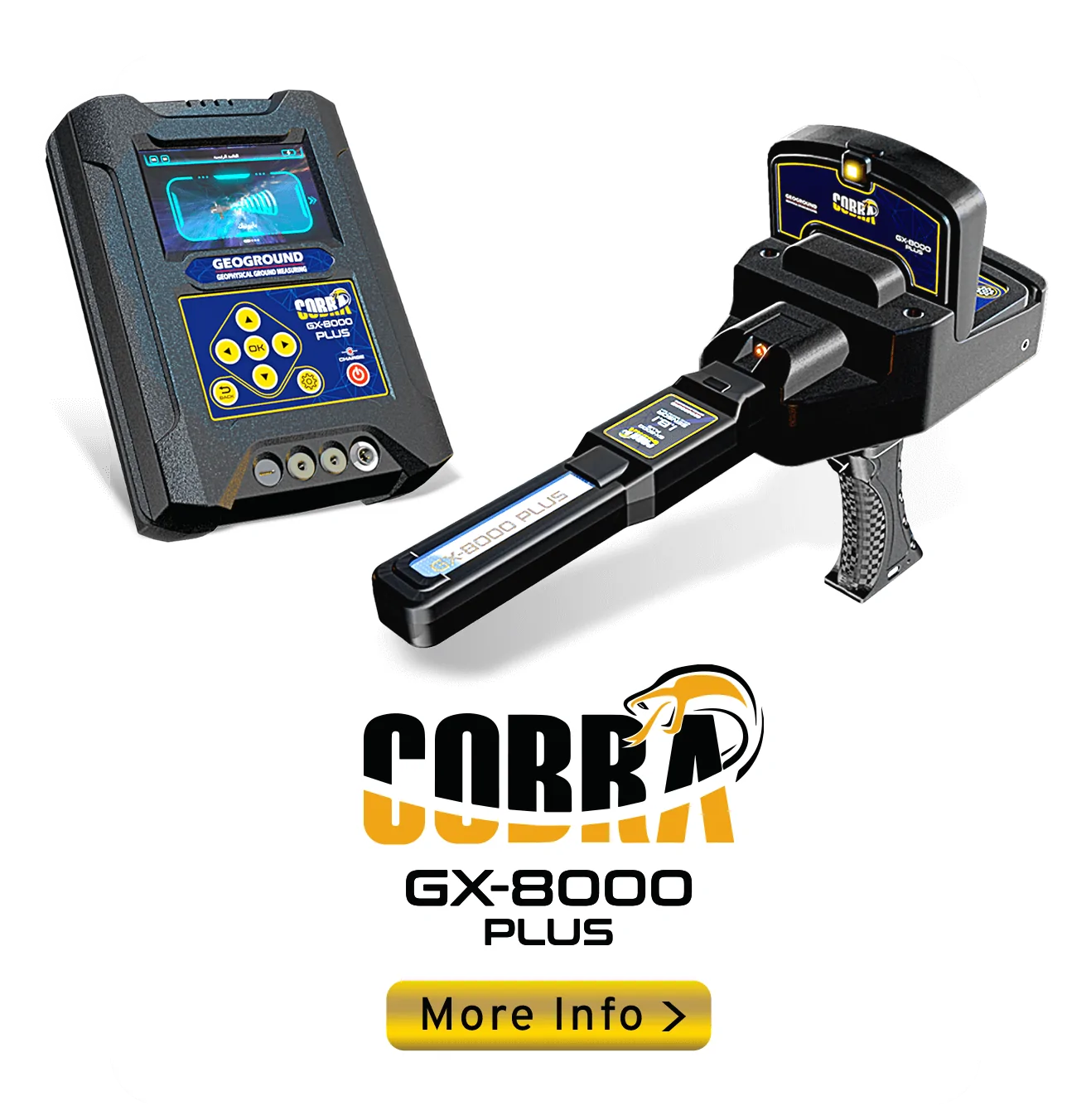
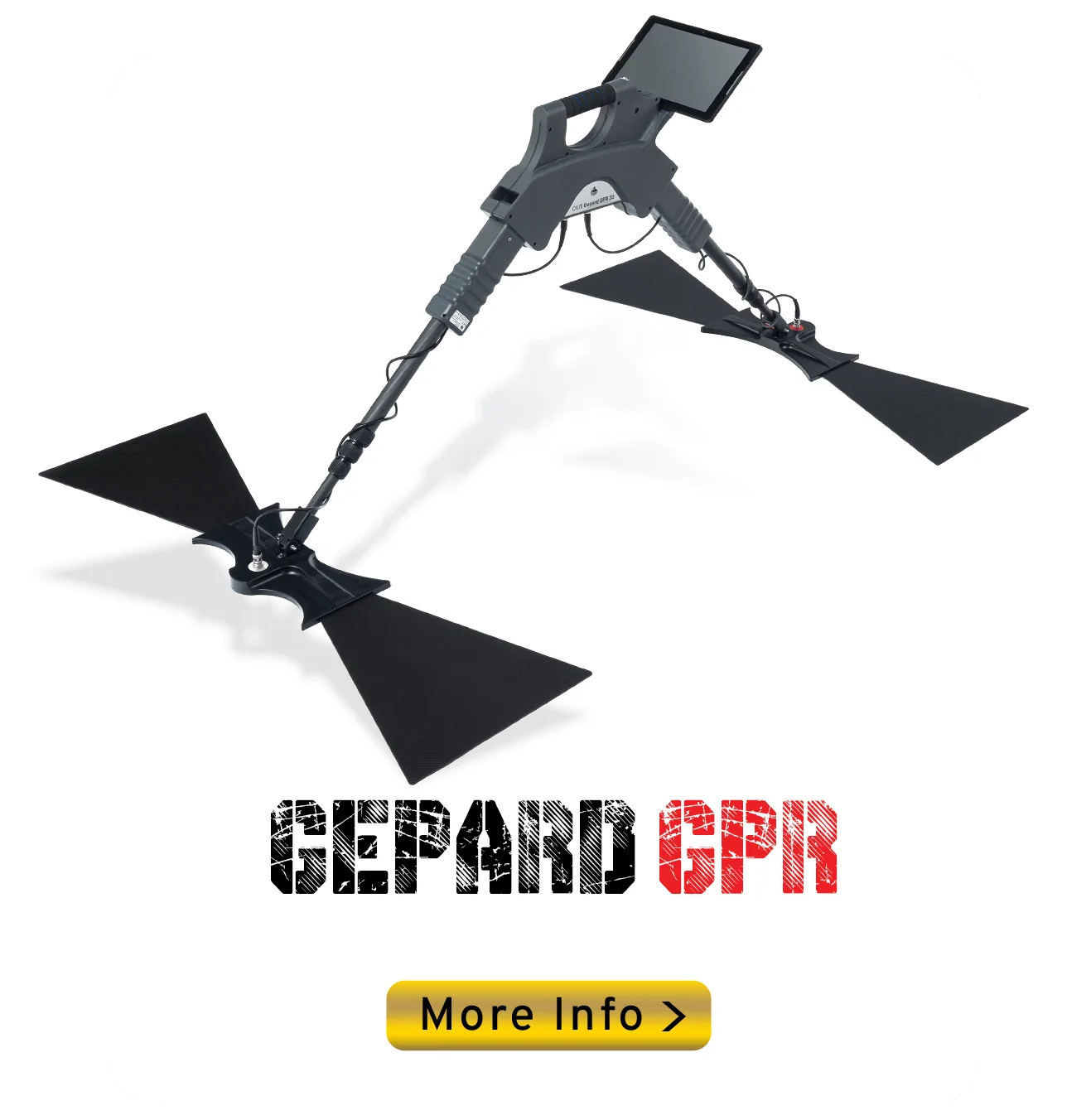
Orient Detectors examples include Gold Vision at $5,450, Mega Scan Pro at $6,750, Phoenix Metal Detector at $6,900, Cobra GX-8000 Plus at $7,525, Gold Star 3D Scanner at $9,500, Infinity Max Pro at $12,900, and GEPARD GPR at $21,900 as shown in product and category sections. These devices are not priced like beginner coil detectors because they aim at wider areas, greater depth, or more advanced analysis.
For serious treasure hunters, the most important question is whether the device technology matches the target. A long-range detector may be useful for narrowing a large area. A 3D scanner may be better for analyzing shape, depth, and possible cavity response. A GPR system may be justified for professional projects requiring deep ground analysis.
Treasure and 3D Scanner Price Table
| Device | Price on Orient Detectors | Technology / Type | Buyer Fit |
|---|---|---|---|
| Gold Vision | $5,450 | 6 search systems / 3D ground scanner | Lightweight 3D scanner and long-range work |
| Mega Scan Pro | $6,750 | 6 search systems / 3D ground scan | Serious treasure hunters who need wide-area and scan tools |
| Phoenix Metal Detector | $6,900 | 3D ground scanner | Professional scanning for treasure and underground spaces |
| Mega Scan Pro | $6,750 | 6 search systems / 3D scan | Serious treasure hunters needing multiple systems |
| Invenio Metal Detector | $6,900 sale price | 3D imaging | Visual target shape and depth analysis |
| Cobra GX-8000 Plus | $7,525 | Long Range | Advanced treasure hunting |
| Gold Star 3D Scanner | $9,500 | 3D / multi-system | Deep treasure and multi-purpose search |
| Infinity Max Pro | $12,900 | Professional multi-system | High-end treasure and professional search |
| GEPARD GPR | $21,900 | GPR | Professional deep ground analysis |
Gold Detector Price by Technology
Technology is the easiest way to understand gold detector price. VLF and multi-frequency coil detectors are usually the most accessible. They are ideal for beginners, hobbyists, coin hunters, relic hunters, and some gold prospectors. Their prices on Orient Detectors examples start around $1,150 and move through $1,500 for common beginner-friendly devices.
Professional raw gold detectors cost more because they target difficult ground and weak gold signals. Gold Stinger X6, Garrett Axiom, GPX 6000, Magnetar 9000, and GPZ 8000 show how professional gold prospecting prices can move from the mid-thousands into flagship territory. These devices are not mainly about visual scanning; they are about goldfield performance.
Long-range systems and 3D scanners create another price category. They may include antennas, sensors, special probes, graphical displays, tablets, or multi-system software. This is why devices like Gold Vision, Mega Scan Pro, Invenio, Gold Star 3D Scanner, Infinity Max Pro, and GEPARD GPR cost more than typical beginner detectors.
What Affects the Final Cost Beyond the Device Price?
The listed gold detector price is important, but it is not the only cost. Buyers should also consider shipping, customs duties, local taxes, payment fees, training, replacement coils, batteries, headphones, carrying cases, and accessories. Orient Detectors product pages mention fast worldwide shipping, online support, and pre- and after-sales services. For international buyers, this service layer can matter as much as the price itself.
Warranty is another pricing factor. A device with a longer warranty may cost more, but it can reduce buyer risk. For example, Mega Scan Pro and Gold Stinger X6 pages list 5-year warranties, while some Minelab and Nokta examples list 2-year warranties. Warranty length should not be the only buying factor, but it is part of total value.
Buyers should also compare what is included in the box. Two devices with similar prices may not offer the same package. One may include multiple coils or headphones, while another may require optional accessories. Package value can change the real cost of ownership.
How Much Should Beginners Spend?
Most beginners should start with a gold detector price that gives them reliability without overwhelming them. Based on Orient Detectors examples, the $1,150 to $1,500 range can be a practical starting point. Devices in this range can teach coil control, target ID, ground balance, sensitivity, discrimination, and basic field technique.
A beginner with a higher budget may choose Gold Stinger X6 at $3,599 if they want more systems and future flexibility. However, they should be ready to practice. More systems do not automatically mean easier use. A beginner who learns a simple detector well may outperform a beginner using a more advanced machine poorly.
The smartest beginner investment is not only the detector. It is also time spent practicing with known targets, learning soil behavior, and understanding false signals.
How Much Should Professionals Spend?
Professional users should spend according to the value of their search time and target type. A professional raw gold prospector working difficult ground may justify GPX 6000 at $8,800 because the device is designed for serious natural gold prospecting. A user who wants the latest flagship Minelab option may compare that budget with GPZ 8000 at $19,000, while buyers considering new PI machines such as Magnetar 9000 should confirm the current Orient Detectors listing price before purchase.
A professional treasure hunter may need 3D scanning or multi-system analysis rather than only coil-based gold detection. In that case, Mega Scan Pro at $6,750, Invenio at $6,900 sale price, or higher-end scanners may be more logical. The professional buyer should match the machine to the job, not just the brand name.
How Much Should Serious Treasure Hunters Spend?
Serious treasure hunters often work in a higher budget range because they need advanced depth, long-range search, cavity detection, or visual analysis. A device like Gold Vision at $5,450 can combine long-range and 3D scanning in a lighter package. Mega Scan Pro at $6,750 offers six systems and a 3D scan workflow. Gold Star 3D Scanner at $9,500 and Infinity Max Pro at $12,900 move further into advanced multi-system work. GEPARD GPR at $21,900 belongs to professional deep ground analysis.
The key question for treasure hunters is not “Which device is most expensive?” It is “Which technology reduces uncertainty for my target?” If the target is a large buried cache, long-range and imaging tools may make sense. If the target is small raw gold, a professional gold prospecting detector may be better.
How to Choose the Right Price Level Before You Buy
A useful way to evaluate gold detector price is to write down the search problem before comparing devices. Start with the target: natural gold nuggets, coins, relics, buried boxes, caves, tunnels, or mixed metals. Then write down the soil type, expected depth, search area size, user experience, and travel conditions. This turns the budget decision from a guess into a practical buying filter.
For example, a beginner who wants weekend coin hunting, beach searching, and occasional gold prospecting may not need to start with a high-end 3D scanner. A device in the $1,150 to $1,500 range can be more comfortable, easier to learn, and easier to carry. If the same buyer plans to work mineralized goldfields, the budget may need to move toward a gold-focused machine with stronger ground handling.
A professional buyer should think about productivity. If a detector saves time, reduces false digging, or helps cover difficult ground more efficiently, the higher price can be easier to justify. This is why models like Gold Stinger X6, Gold Monster 2000, Garrett Axiom, GPX 6000, GPZ 8000, Mega Scan Pro, and Gold Vision should be compared by work style rather than price alone. One device may be stronger for raw gold, another for wide-area long-range search, and another for 3D ground scanning.
Serious treasure hunters should also budget for confirmation. A long-range signal may help narrow the search area, but many users still need closer verification with coil systems, 3D scanning, or ground imaging. That is why multi-system devices often make sense when the user wants to combine exploration and confirmation in one package. In this category, the right gold detector price is the one that gives enough information to make better field decisions.
Finally, compare total ownership cost. The product page price is the main number, but training, accessories, spare batteries, shipping, customs, and after-sales support also matter. A cheaper detector without the right support can become expensive if the user cannot operate it confidently. A slightly higher price may deliver better value when it includes better warranty coverage, clearer support, or a package that fits the buyer’s work from the first trip.
Frequently Asked Questions About Gold Detector Price
What is the average gold detector price?
There is no single average. On Orient Detectors examples, beginner-friendly devices can be around $1,150 to $1,500, professional gold devices can range from $3,900 to $8,800, and advanced 3D/GPR systems can range from about $5,450 to $21,900 or more.
Why are 3D gold scanners more expensive?
3D scanners and imaging systems cost more because they include sensors, visual software, scan data, target shape analysis, depth tools, or cavity detection. They are built for more complex search tasks than basic metal detection.
Is an expensive detector always better?
No. A more expensive detector is only better if its technology matches your search goal. A beginner looking for coins and small gold may not need a $20,000 GPR system. A professional treasure hunter may need tools that a $1,300 detector cannot provide.
What is the best low-cost gold detector option?
Based on Orient Detectors examples, Gold Monster 1000 at $1,150 is an affordable gold-focused device, while Garrett Vortex, The Legend 2, and Garrett Gold Master 24K at $1,300 offer practical entry-level to intermediate options. Gold Monster 2000 at $2,500 is a stronger gold-focused upgrade for buyers who want to move beyond the lowest budget tier.
How much does a professional gold detector cost?
Professional examples vary. Gold Stinger X6 is listed at $3,599, Garrett Axiom at $6,400, Mega Scan Pro at $6,750, GPX 6000 at $8,800, and GPZ 8000 at $19,000. The right choice depends on whether you need raw gold prospecting, multi-system search, or 3D scanning.
Do prices include shipping and taxes?
The product price is not always the final landed cost for every country. Buyers should check shipping, taxes, customs duties, and payment conditions with the sales team before ordering.