
Gold Detector Machine: Complete Guide to Raw Gold Detection Devices
A gold detector machine is one of the most important tools for modern prospectors who search for raw natural gold, gold nuggets, gold veins, and valuable metal targets in difficult ground. Unlike general hobby detectors that are mainly used for coins or jewelry, a serious gold detector machine must handle mineralized soil, hot rocks, small gold signals, deep targets, and changing field conditions. This is why choosing the right device is not only about price or advertised depth. It is about matching the technology to the type of gold, the ground, and the user’s experience.
The old question “What is the best gold detector?” has no single answer. A beginner looking for small nuggets needs a different machine from a professional prospector searching harsh mineralized ground. A user who wants a simple screen and automatic settings may prefer a compact machine, while a professional may need pulse induction, advanced coils, depth control, or multi-system search features. For that reason, this guide covers the main types of raw gold detector devices and explains how newer machines such as Gold Stinger X6, Gold Monster 2000, GPZ 8000, and Magnetar 9000 fit into real prospecting work.
Orient Detectors offers gold and metal detectors across several categories, including gold ore and nugget detectors, electromagnetic systems, multi-system detectors, imaging systems, and long-range devices. The goal of this article is to help buyers understand the differences before choosing a gold detector machine for serious use.
What Is a Gold Detector Machine?
A gold detector machine is a specialized metal detection device designed to locate gold targets under the ground. These targets may include natural gold nuggets, fine gold flakes, gold veins, gold ore, gold jewelry, buried gold objects, or larger treasure targets containing gold. Some devices focus on small raw gold near the surface, while others focus on depth, target identification, cavity detection, or 3D ground scanning.
The key difference between a normal metal detector and a gold detector machine is sensitivity and ground handling. Gold is often found in mineralized soil, especially in natural goldfields. These soils can create noise and false signals. A good raw gold detector must separate weak gold signals from ground mineralization, iron trash, hot rocks, and electromagnetic interference.
That is why gold prospecting machines often use high-frequency VLF, multi-frequency processing, pulse induction, ZVT-style technologies, specialized coils, ground balance systems, and advanced audio. The more difficult the ground, the more important stable signal processing becomes.
Why Raw Gold Detection Is Different
Raw gold detection is not the same as searching for coins in a park. Natural gold can be very small, irregular in shape, and hidden in ground that is already full of mineral response. A small gold nugget can produce a weak signal that is easy to miss if the machine is poorly balanced or the user swings too fast. In highly mineralized soils, even a powerful detector can become noisy if it is not designed for goldfields.
Raw gold also varies in size. Fine gold and micro nuggets require high sensitivity and sharp audio. Medium nuggets require stability and accurate ground balance. Larger nuggets or deeper gold-bearing structures require stronger depth capability and sometimes pulse induction or advanced deep-seeking technologies. Therefore, the best gold detector machine for one user may not be the best for another.
For example, Gold Monster 2000 is designed around precision for fine gold and mineralized soil handling, while Magnetar 9000 is a pulse induction platform built for both deep gold and micro nuggets in harsh ground. Gold Stinger X6 offers multi-system operation and coil flexibility, while GPZ 8000 targets advanced professional prospecting with next-generation depth and control.
Main Technologies Used in Gold Detector Machines
VLF Gold Detectors
VLF, or Very Low Frequency, machines are common in gold prospecting because they can be very sensitive to small targets. High-frequency VLF detectors are especially useful for small nuggets and shallow gold. They are usually lighter, easier to operate, and more affordable than advanced pulse induction machines.
The limitation is ground mineralization. In mild or moderate soil, a VLF gold detector can perform very well. In very hot ground, however, the detector may need careful ground balance and lower sensitivity. For beginners, a VLF or hybrid-style detector with automatic settings can be easier to learn.
Pulse Induction Gold Detectors
Pulse induction, or PI, detectors are built for difficult mineralized ground and deeper targets. Instead of transmitting a continuous frequency like a VLF detector, a PI detector sends powerful pulses and reads the return response. PI machines are often favored by serious prospectors working in harsh goldfields, black sand, and mineral-heavy regions.
The advantage of PI is stability and depth in bad ground. The disadvantage can be price, weight, and sometimes reduced target discrimination compared with VLF machines. New machines such as the Nokta Magnetar 9000 show how modern PI platforms are becoming more user-friendly while still targeting professional gold performance.
Multi-Frequency and Hybrid Systems
Some modern gold detectors combine multiple signal approaches. Gold Monster 2000, for example, uses Minelab’s Multi-Au technology, described by Minelab as a hybrid simultaneous multi-frequency engine that combines VLF sensitivity with pulse-style soil handling behavior. This type of system aims to detect fine gold while staying stable in mineralized ground.
Hybrid processing is valuable because the user does not always know what the ground will be like before arriving. A detector that can adapt between sensitivity and stability is useful for both beginners and experienced prospectors.
Multi-System Metal Detectors
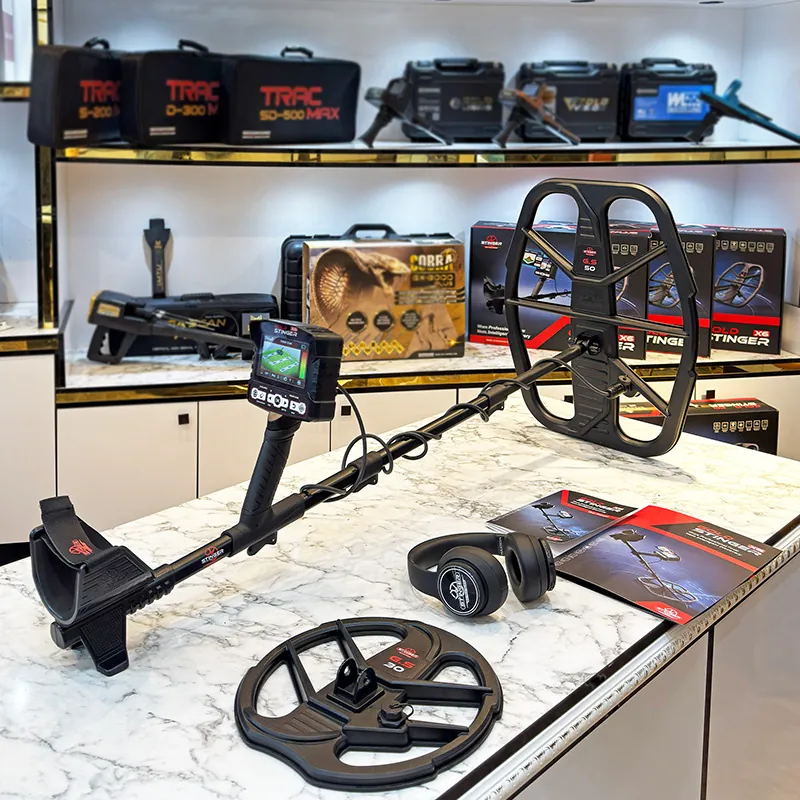
Some machines use multiple search systems rather than one detection method. Gold Stinger X6 is a good example. It includes six search systems, including all metals, discrimination, pin pointer, depth detection, 2D target scan, and cavity/void detection. This type of device is attractive for users who want one machine for gold, metals, underground targets, and general prospecting.
A multi-system device is flexible, but it requires learning. The user must understand which system fits the current search goal. A depth mode, a discrimination mode, and a cavity detection mode answer different questions.
Comparison Table: New Gold Detector Machines
| Device | Main Technology | Best For | Strengths | Buyer Type |
|---|---|---|---|---|
| Gold Stinger X6 | 6 search systems, dual coils | Gold, metals, depth, cavities, general prospecting | GS50 for depth, GS30 for precision, target scan, iron remove | Beginner to advanced user wanting flexibility |
| Gold Monster 2000 | Multi-Au hybrid multi-frequency | Fine gold, mineralized soil, simple operation | High sensitivity, Echo Wave audio, gold chance guidance | Beginner or intermediate raw gold prospector |
| GPZ 8000 | Advanced Minelab gold technology | Professional goldfields, deep and difficult targets | Depth, control, coil options, ground type selection | Advanced and professional prospector |
| Magnetar 9000 | Advanced Pulse Induction | Harsh mineralized soil, deep gold, micro nuggets | Dual-receiver coils, waterproof coils, Easy and Expert menus | Serious gold hunter needing PI performance |
Gold Stinger X6: Multi-System Gold Detector Machine
Gold Stinger X6 is one of the most useful devices to discuss in a modern gold detector machine guide because it is designed for both beginners and advanced prospectors. According to the Gold Stinger X6 page on Orient Detectors, the device is a professional metal detection system built with six powerful systems and designed to detect gold, metals, and underground targets in real field conditions.
Its six systems include All Metals Mode, Discrimination System, Pin Pointer Mode, Depth Detection System, 2D Target Scan, and Cavity & Void Detection. This makes Gold Stinger X6 more versatile than a simple single-purpose detector. The All Metals mode helps with maximum detection response during initial searching. The discrimination system helps separate ferrous and non-ferrous targets. Pin Pointer helps locate the target before digging. Depth Detection supports excavation decisions. The 2D Target Scan gives a visual representation, while Cavity & Void Detection expands the device beyond standard metal targets.
Another important point is the dual-coil system. The GS50 coil is designed for greater depth and wider ground coverage. The GS30 coil is designed for precision and smaller target detection. This gives the user flexibility: use the larger coil when covering open areas or searching for deeper/larger targets, and switch to the smaller coil when target separation or precision matters.
Gold Stinger X6 is a strong choice for buyers who want one gold detector machine that can handle multiple situations. It may be especially suitable for users who do not want to buy separate machines for gold, relics, void indication, and pin pointing. The user should still practice with each mode because flexibility only becomes valuable when the operator knows when to use each feature.
Gold Monster 2000: Precision for Fine Raw Gold
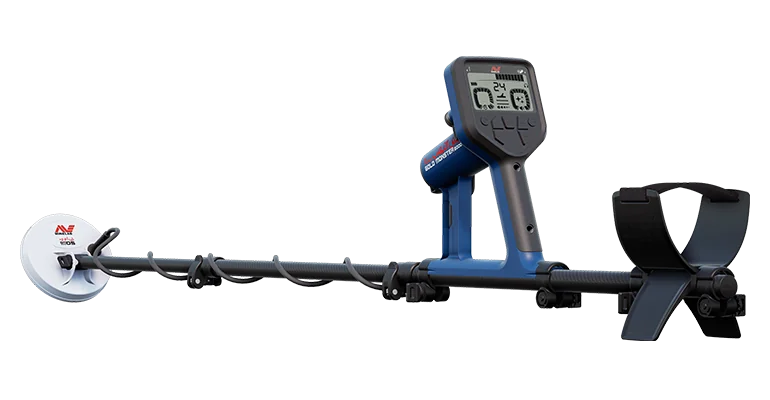
Gold Monster 2000 is designed for raw gold prospecting, especially fine gold in mineralized ground. Minelab describes the device as a detector that tracks ultra-fine gold with sharper precision using Multi-Au technology, which combines VLF sensitivity with a pulse-style soil handling engine. The official Minelab Gold Monster 2000 page highlights Multi-Au technology, Echo Wave audio, and target guidance for better decision-making.
This makes Gold Monster 2000 interesting for users who want a raw gold detector that is easier to operate than professional deep machines but more specialized than a general coin detector. Its strength is small target response. Fine gold, tiny nuggets, and weak signals in mineralized ground are exactly the situations where a highly sensitive gold machine is needed.
The device is also positioned as approachable for new users. Minelab’s launch information describes it as fully automatic and built to handle mineralized ground without a complicated learning curve. That matters because many beginners fail with advanced detectors not because the detector is poor, but because the setup is too complex. A machine that balances performance and simplicity can help users build confidence.
Gold Monster 2000 is not necessarily the best device for very deep large targets compared with professional PI or advanced deep gold machines. Its role is more focused: small raw gold, practical operation, mineralized soil handling, and clear audio/visual guidance. For many prospectors, especially those starting serious nugget hunting, that is exactly what they need.
GPZ 8000: Advanced Professional Gold Prospecting
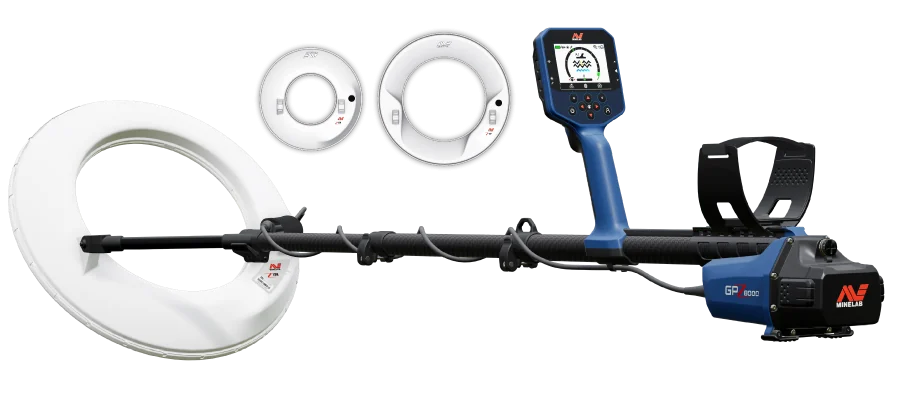
GPZ 8000 is presented by Orient Detectors as Minelab’s latest flagship gold detector for advanced performance in challenging ground conditions. The GPZ 8000 page on Orient Detectors describes the device as engineered for serious prospectors and treasure hunters who need depth, signal clarity, and control.
Its feature set is aimed at users who already understand prospecting and want more performance from difficult soils. The page mentions GeoZVT technology, Echo Sonic Pro audio, Z-Set concentric toroidal coils, ground type selection, wireless audio, a full-color LCD, battery support for long sessions, and a Pro-Swing harness. These are not casual beginner features; they are tools for long field days and difficult decisions.
GPZ 8000 is the kind of gold detector machine that makes sense when the search area is serious and the operator understands target signals. Advanced depth is only useful when the user can interpret subtle responses. A deep weak target can be easy to miss if the detectorist is rushing, using the wrong settings, or swinging poorly.
For buyers, the main question is not simply whether GPZ 8000 is powerful. It is whether the user needs that level of power and is ready to use it. For professional goldfields, deep nugget hunting, harsh mineralized soils, and high-value exploration, it can be a logical investment. For a casual beginner, it may be more machine than necessary.
Magnetar 9000: Pulse Induction for Harsh Goldfields
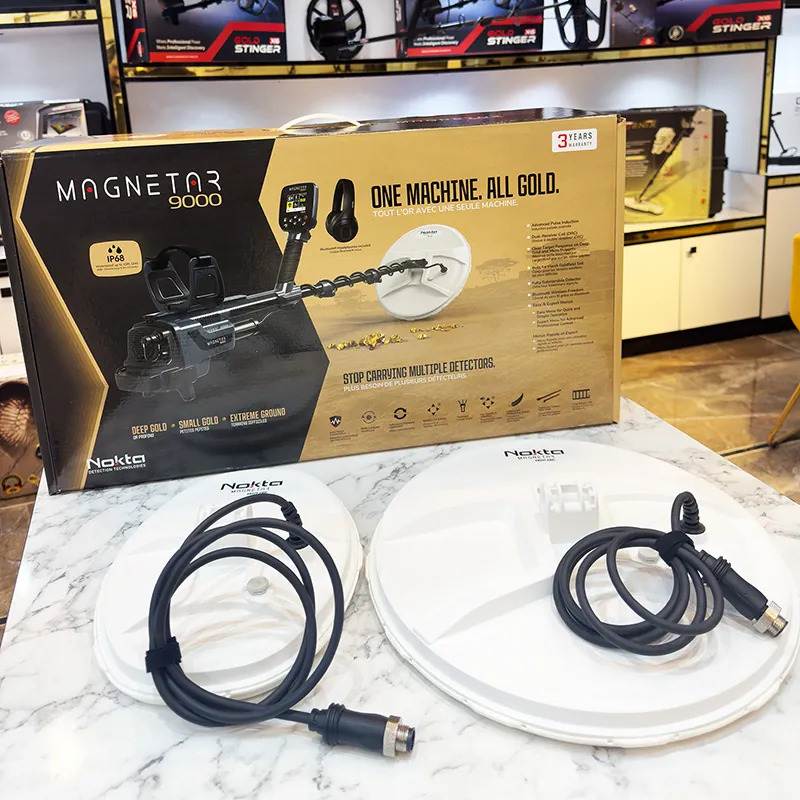
Magnetar 9000 from Nokta is one of the most important new devices for raw gold prospecting because it represents Nokta’s serious entry into advanced pulse induction gold detection. The official Nokta Magnetar 9000 page describes it with the phrase “Power for deep gold. Precision for small gold” and lists Advanced Pulse Induction, Dual-Receiver Coil technology, Bluetooth audio, easy and expert menus, and a package with two coils and field accessories.
The device is designed for harsh mineralized soil where conventional detectors can struggle. Pulse induction is valuable in this environment because it can maintain stability where ground response is strong. Magnetar 9000 also targets both deep gold and micro nuggets, which is an important promise because many detectors favor one side more than the other.
The package contents are also notable: two waterproof DRC coils, backpack, Bluetooth headphones, two lithium-ion batteries, chargers, bungee and hipstick, digging tool, headphone adapter, and USB cable. This positions Magnetar 9000 as a serious field package rather than a minimal detector kit.
For users comparing a gold detector machine for professional conditions, Magnetar 9000 belongs in the same conversation as other serious PI or advanced gold machines. It may be especially attractive for buyers who want modern ergonomics, underwater coil capability, simplified menus, and a complete accessory package.
How to Choose the Best Gold Detector Machine
Choosing a gold detector machine should begin with the target. Are you searching for small raw gold nuggets, larger deep gold, gold veins, general buried metals, or multiple target types? If the target is very small gold, sensitivity and frequency matter. If the target is deeper or the soil is harsh, pulse induction or advanced ground handling may matter more.
The second factor is soil. Mild soil allows more detector types to perform well. Mineralized soil, hot rocks, and black sand demand better ground balance and stability. If you frequently search difficult goldfields, do not choose a machine only because it is cheaper. A stable detector in bad ground can outperform a noisy detector with impressive specifications.
The third factor is experience. Beginners often benefit from automatic settings, clear audio, and simple controls. Advanced users may prefer manual control, multiple coils, expert menus, and more tuning options. Buying the most expensive device is not always the best choice if the user cannot operate it properly.
The fourth factor is search style. Some users walk long distances looking for small nuggets. Others investigate selected areas slowly. Some need a machine for one type of target; others need flexibility across gold, relics, cavities, and metal objects. Your search style should guide your device choice.
Best Device by User Type
| User Type | Recommended Direction | Reason |
|---|---|---|
| Beginner raw gold prospector | Gold Monster 2000 | Simple operation, fine gold sensitivity, mineralized soil support |
| User wanting one flexible machine | Gold Stinger X6 | Six systems, dual coils, depth, discrimination, cavity detection |
| Professional deep gold hunter | GPZ 8000 | Advanced depth, control, ground type selection, professional features |
| Harsh goldfield prospector | Magnetar 9000 | Pulse induction stability, deep and micro gold focus, complete field package |
Common Mistakes When Buying a Gold Detector Machine
The first mistake is buying by depth number only. Depth depends on target size, soil, coil, settings, and operator skill. A machine that reaches deep on a large target may not be the best for tiny gold. The second mistake is ignoring soil type. A detector that performs well in mild ground may become noisy in mineralized soil.
The third mistake is buying a professional detector without learning time. Advanced detectors reward skill, but they also punish poor setup. The fourth mistake is assuming one device is perfect for all gold. A small nugget machine, a deep PI detector, and a multi-system detector each solve different problems.
The fifth mistake is ignoring after-sales support. A gold detector machine is a field investment. Buyers should consider warranty, training, spare parts, shipping, and customer support. Orient Detectors highlights worldwide shipping, pre- and after-sales services, and support across its product pages, which can be important for international buyers.
Gold Detector Machine Price: What Affects Cost?
Gold detector machine prices vary widely because technology varies widely. A simple VLF detector costs less than a flagship deep gold machine. Price can be affected by operating principle, coil system, battery package, waterproof rating, software, screen, audio, included accessories, brand reputation, warranty, and manufacturing origin.
For example, Orient Detectors lists Gold Stinger X6 at a mid-range professional price compared with high-end machines. Gold Monster 2000 is positioned as an advanced but approachable raw gold detector. GPZ 8000 appears as a premium flagship device. Magnetar 9000 is priced as a serious PI gold detector package. These price levels reflect different intended users.
The best value is not always the cheapest device. It is the machine that gives the user the highest chance of success for their target and ground conditions. A beginner who buys a machine that is too complex may waste time. A professional who buys an underpowered detector may miss deeper targets. Value is about fit.
Field Tips for Better Raw Gold Detection
- Research the area before detecting; geology and history matter.
- Ground balance carefully before serious searching.
- Use stable sensitivity instead of maximum sensitivity in noisy ground.
- Sweep slowly and keep the coil close and level.
- Use the right coil for the target size and terrain.
- Repeat weak signals from more than one direction.
- Mark promising locations and rescan after changing settings.
- Carry extra batteries, headphones, digging tools, and safety equipment.
- Follow local laws and obtain permission before searching.
FAQ About Gold Detector Machines
What is the best gold detector machine for raw gold?
The best device depends on target size, soil, and experience. Gold Monster 2000 is strong for fine gold and simpler operation. Magnetar 9000 is strong for harsh mineralized ground. GPZ 8000 targets professional depth and control. Gold Stinger X6 is flexible for multiple search needs.
Can one detector find both small and deep gold?
Some modern machines try to cover both, but there is always a balance. Small gold requires sensitivity. Deep gold requires power, coil choice, and ground stability. Magnetar 9000 and GPZ 8000 are designed for advanced gold performance, while Gold Monster 2000 focuses strongly on fine gold.
Is pulse induction better than VLF?
Pulse induction is often better in harsh mineralized ground and for depth, while VLF can be excellent for small shallow gold and discrimination. The best choice depends on field conditions.
Is Gold Stinger X6 good for raw gold?
Gold Stinger X6 is useful for gold and metals because it combines six systems, dual coils, discrimination, depth detection, target scan, and cavity detection. It is a flexible machine for users who want more than one search style.
Should beginners buy a professional gold detector machine?
Beginners can buy advanced machines, but they should be ready to practice. A simpler machine with automatic settings may produce faster learning, while a professional detector may offer more long-term capability.