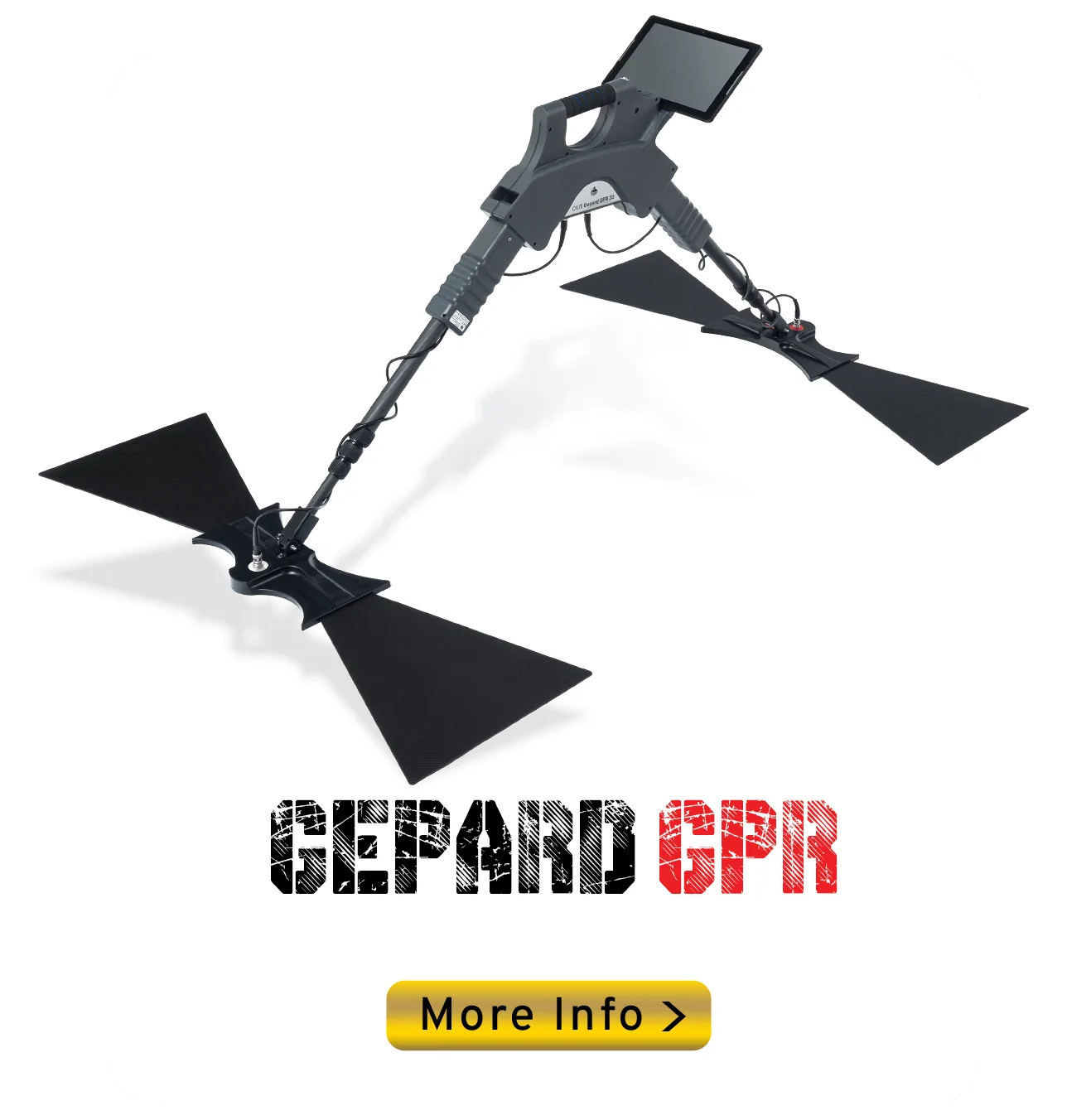
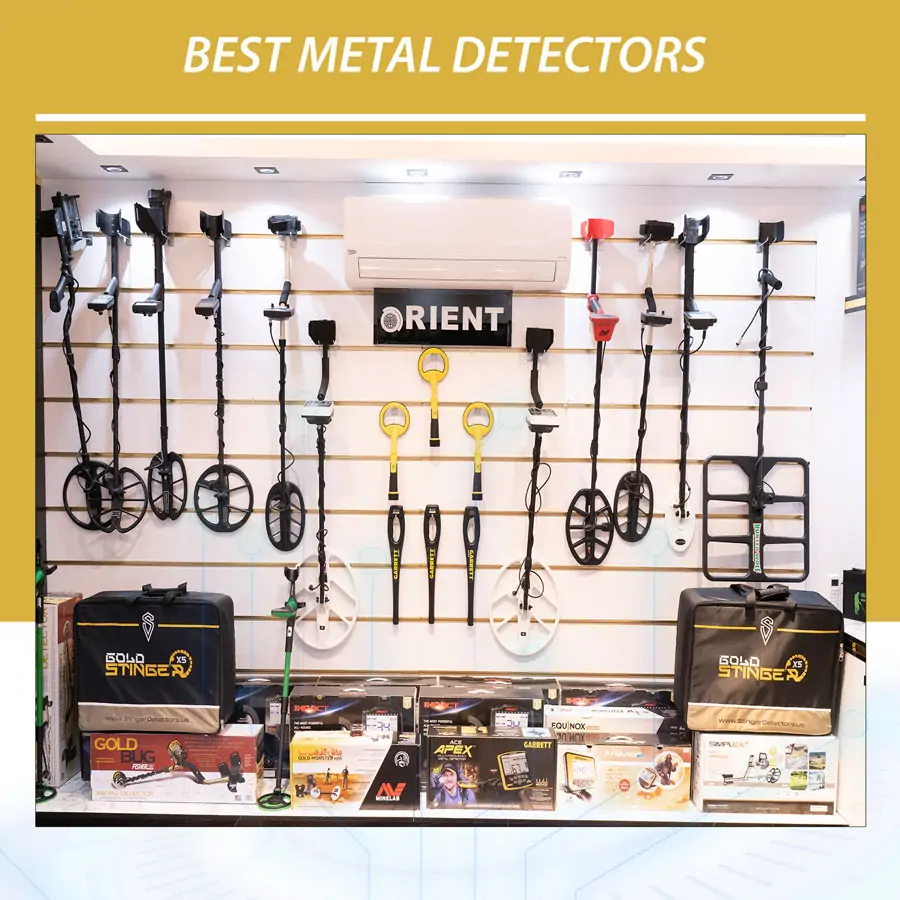
Metal detectors are electronic devices designed to detect the presence of metal objects buried underground or concealed within other materials. They work by generating a magnetic field which interacts with metallic objects, producing a detectable signal.
Evolution of Metal Detector Technology
Early Developments
The history of metal detector dates back to the late 19th century when they were first used for locating buried mines during warfare. These early models were large, cumbersome, and lacked the sophistication of modern devices.
Introduction of Advanced Features
Over the years, advancements in electronics and materials science have revolutionized the design and functionality of metal detectors. Manufacturers have incorporated a wide array of advanced features to improve detection accuracy, efficiency, and user experience.
Advanced Features in Modern Metal Detectors
Target Identification
Modern metal detector utilize advanced signal processing algorithms to analyze the characteristics of detected objects, enabling them to distinguish between different types of metals.
Discrimination
Discrimination is a feature that allows users to filter out undesirable targets based on their conductivity and composition, such as iron or aluminum, while still detecting valuable metals like gold or silver.
Ground Balance
Ground balance is essential for maintaining optimal performance in varying soil conditions. Advanced metal detector offer automatic or manual ground balancing capabilities to compensate for mineralization and other environmental factors.
Sensitivity Adjustment
Sensitivity adjustment allows users to fine-tune the detector’s detection capabilities, optimizing it for specific target sizes and depths.
Multiple Operating Modes
Many modern metal detectors offer multiple operating modes tailored to different environments and applications, such as all-metal mode, discrimination mode, and pinpoint mode.
Waterproof Design
Waterproof metal detector are specially designed to withstand submersion in water, making them ideal for underwater treasure hunting and beachcombing.
Wireless Connectivity
Wireless connectivity enables metal detector to communicate with smartphones or other devices, allowing for remote control, data logging, and firmware updates.
GPS Integration
GPS integration allows users to mark and record the locations of significant finds, making it easier to revisit and explore promising areas.
Frequency Shift
Frequency shift functionality enables users to adjust the detector’s operating frequency to minimize interference from electromagnetic sources or other metal detector in the vicinity.
Notch Discrimination
Notch discrimination allows users to selectively ignore certain types of targets, such as bottle caps or pull tabs, while still detecting other desirable objects.
Pinpoint Functionality
Pinpoint functionality helps users precisely locate and pinpoint the position of detected targets within the search coil’s detection area.
Target Depth Indicator
Target depth indicators provide users with an estimate of the depth at which detected objects are buried, allowing for more efficient recovery.
Volume Control
Volume control allows users to adjust the detector’s audio output volume, ensuring clear and audible signals in noisy or crowded environments.
Battery Life
Battery life is a crucial consideration for extended metal detecting sessions. Advanced detectors often feature efficient power management systems to prolong battery life.
Ergonomic Design
Ergonomic design elements such as adjustable shafts, padded armrests, and lightweight construction contribute to user comfort and reduce fatigue during prolonged use.
Applications of Advanced Metal Detectors
Security Screening
Advanced metal detector play a vital role in security screening applications, helping to detect weapons, explosives, and other prohibited items in airports, schools, and public venues.
Archaeology and Treasure Hunting
Metal detector are indispensable tools for archaeologists and treasure hunters, enabling them to locate and excavate valuable artifacts and historical relics buried beneath the earth’s surface.
Industrial and Mining Operations
In industrial and mining settings, advanced metal detectors are used for quality control, contamination detection, and locating underground utilities and resources.
The evolution of metal detector technology has paved the way for the development of highly sophisticated devices equipped with advanced features catering to a wide range of applications. From security screening to archaeology and industrial operations, these devices continue to play a crucial role in various fields, offering enhanced detection capabilities and improved user experience.
FAQs (Frequently Asked Questions)
- Are advanced metal detector difficult to use?
- While advanced metal detector may have a steeper learning curve compared to basic models, most manufacturers provide user-friendly interfaces and comprehensive user manuals to facilitate ease of use.
- Can metal detector detect non-metallic objects?
- Metal detector are specifically designed to detect metallic objects. However, certain advanced models may incorporate additional sensors or technologies capable of detecting non-metallic items such as plastics or ceramics.
- What is the maximum depth at which metal detector can detect objects?
- The maximum detection depth of a metal detector depends on various factors including the size and composition of the object, soil conditions, and the detector’s sensitivity and operating frequency.
- Are waterproof metal detector necessary for beach detecting?
- While waterproof metal detector are not strictly necessary for beach detecting, they offer added convenience and versatility, allowing users to search in shallow water and wet sand without worrying about damage to the device.
- Can metal detector be used in all weather conditions?
- Most modern metal detector are designed to withstand a wide range of weather conditions, including rain, snow, and extreme temperatures. However, users should always refer to the manufacturer’s specifications and recommendations for optimal usage guidelines.