Waterproof Metal Detectors Guide: Beaches, Rivers, Rain, and Wet Ground
Introduction: Waterproof Does Not Always Mean Underwater
A waterproof metal detector can open excellent search opportunities: beaches after tourist season, shallow river crossings, wet farm fields, lake edges, rainy-day hunts, and jewelry recovery around swimming areas. But the word waterproof is often misunderstood. Some detectors are fully submersible. Some only have a waterproof search coil. Some are rain resistant. Some work in freshwater but struggle in saltwater. Choosing the wrong machine can damage equipment or produce noisy results.
This guide explains how to choose a waterproof metal detector according to water type, target, soil, and search style. It covers salt beaches, freshwater rivers, wet ground, rain, coils, headphones, shafts, target recovery, and maintenance. It also includes examples from Orient Detectors devices and related product categories, including The Legend 2, Minelab Manticore, Equinox-class detectors, Gold Stinger X6, Garrett Axiom, Gold Monster 2000, and 3D scanning devices when wet ground or terrain affects the search plan.
Waterproof, Water Resistant, and Coil-Only Waterproof
Before buying a waterproof metal detector, check what part of the detector is actually waterproof. Many entry-level detectors have waterproof coils but non-waterproof control boxes. This means the coil can touch wet grass or shallow puddles, but the control box must stay dry. A rain cover may protect from light rain, but it does not make the detector submersible.
| Protection Type | Meaning | Best Use |
|---|---|---|
| Waterproof coil only | Search coil can get wet; control box must stay dry | Wet grass, shallow puddles, dry beach sand |
| Weather resistant | Can handle light rain or splashes | Rainy fields and damp conditions |
| Fully waterproof | Control box and coil can be submerged to a rated depth | Shallow water, rivers, beach surf, lake edges |
| Diving-rated | Built for deeper underwater use | Snorkeling and diving search |
The lesson is simple: never assume. Read the product rating and manual. A detector can be excellent on land but not suitable for water. A true waterproof metal detector should clearly state its submersion rating and limitations.
Saltwater vs Freshwater
Freshwater is usually easier than saltwater. Rivers, lakes, and streams may still contain minerals, rocks, and trash, but they do not create the same conductive salt response as wet salt sand. Saltwater and wet beach sand can behave like a broad target under the coil. This is why a detector that is physically waterproof may still perform poorly on ocean beaches if it lacks proper beach or salt handling.
For salt beaches, a waterproof metal detector should have beach mode, simultaneous multi-frequency technology, or salt balance. Multi-frequency detectors such as The Legend 2, Minelab Manticore, and Equinox-class machines are popular because they can handle wet salt better than many single-frequency detectors. For freshwater, a wider range of detectors can work, but waterproof construction still matters.
Best Targets for Waterproof Detecting
A waterproof metal detector is especially useful for jewelry, coins, watches, phones, keys, relics, and sometimes gold. Beaches and swimming areas are productive because people lose rings and jewelry where they apply sunscreen, play, swim, or remove items. River crossings and old settlement areas may produce coins, tools, and relics. Wet ground after rain may improve conductivity for some targets, but it can also increase ground noise in mineralized soil.
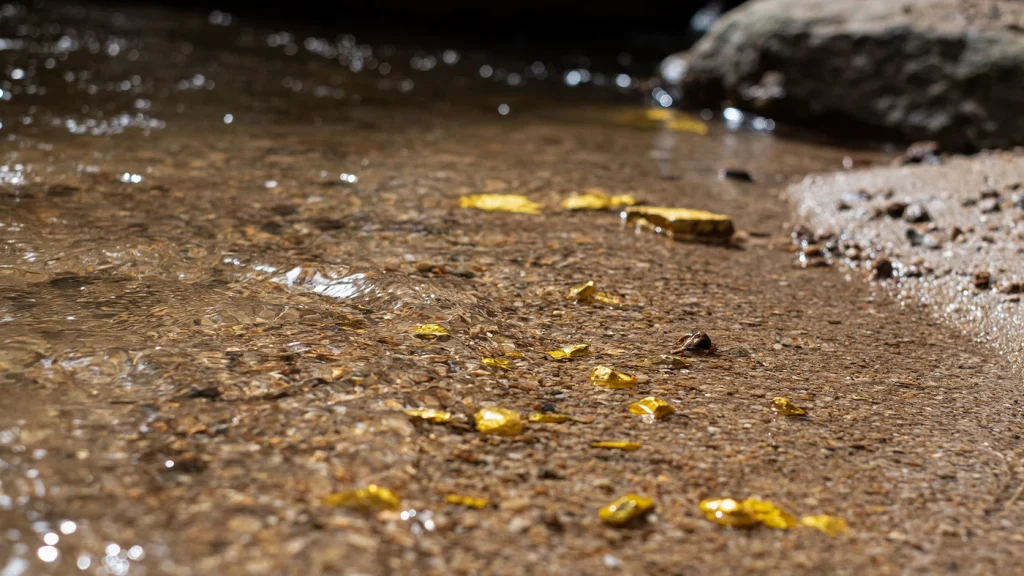
Gold prospecting in water is different. Natural gold can appear in streams, gravel bars, bedrock cracks, and old placer areas. A detector can help find nuggets or metallic targets, while a gold pan, classifier, and sampling kit can confirm fine gold. For serious raw gold prospecting, small-gold sensitivity and ground handling matter as much as waterproofing.
Beach Detecting: Dry Sand, Wet Sand, and Surf
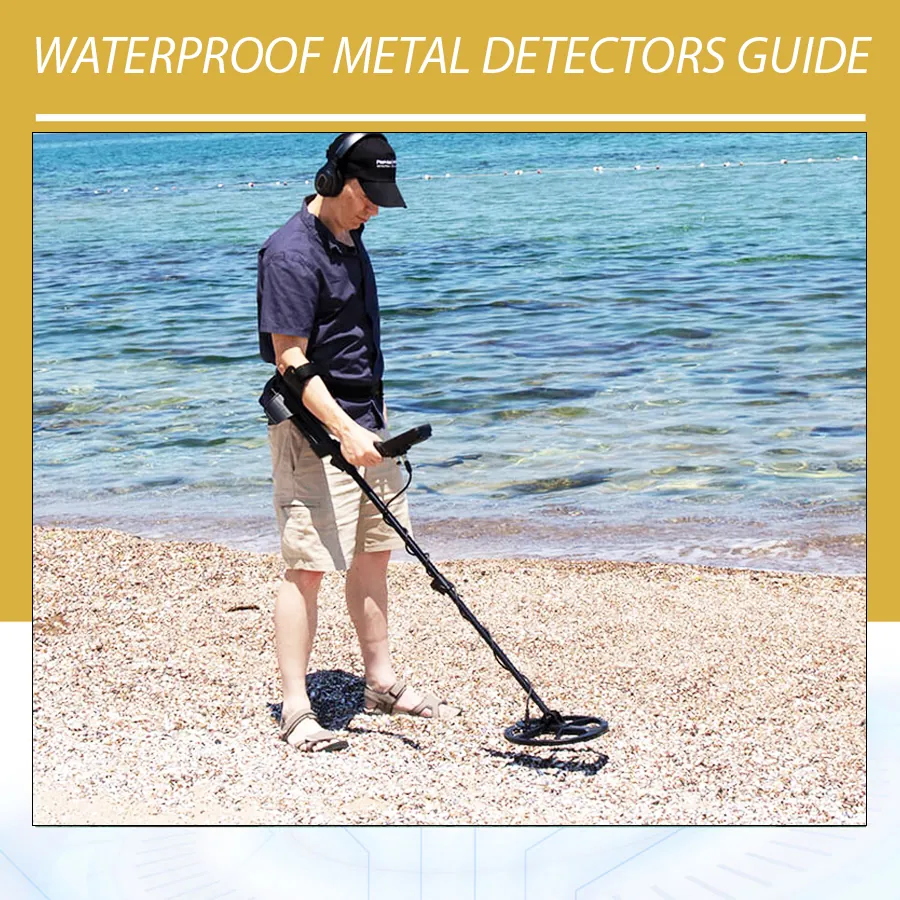
Dry sand is usually easier than wet sand. Many detectors can search dry beach sand because salt response is lower. Wet sand near the waterline is harder. The detector must handle conductive salt while still hearing coins and jewelry. In the surf, the machine must also be physically waterproof and stable while the coil moves through water.
If your main search area is the ocean beach, do not buy a waterproof metal detector only because it can be submerged. Buy one that also performs in wet salt sand. Beach modes, salt compensation, and simultaneous multi-frequency operation are important. Use headphones suitable for water if needed, and rinse the detector after every saltwater hunt.
River and Stream Detecting
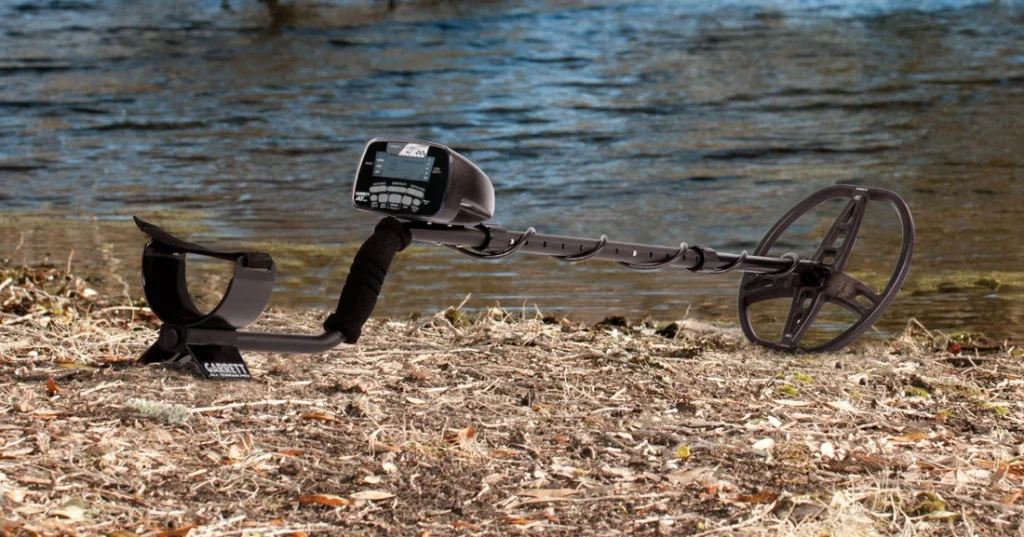
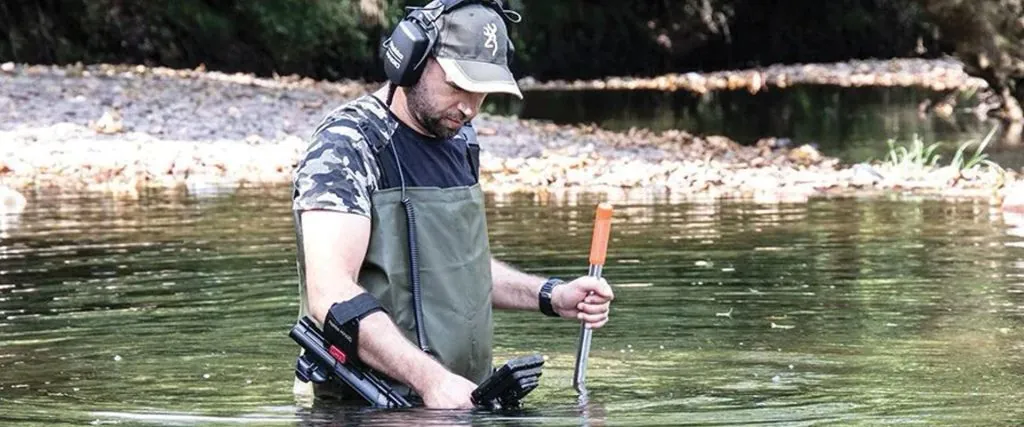
Freshwater rivers and streams can be rewarding, especially near old crossings, camps, picnic areas, swimming holes, and gold-bearing gravel. A waterproof metal detector for rivers should be physically durable, easy to control in moving water, and stable around rocks. Shorter shafts and smaller coils can help in tight places.
Recovery tools matter. Use a scoop, crevice tool, gloves, and a finds pouch. Be careful on slippery rocks and avoid deep or fast water. For gold-bearing streams, a detector can locate larger nuggets or metal targets, while panning helps test fine material. Always follow local laws and land access rules.
Wet Soil and Rainy Conditions
Not every user needs a fully submersible detector. Some only need protection from rain, wet grass, mud, and shallow puddles. In that case, a weather-resistant detector or waterproof coil may be enough. However, if the control box is not waterproof, it must be protected carefully.
Wet soil can make some targets sound stronger, but it can also increase false signals in mineralized ground. If the detector becomes unstable after rain, reduce sensitivity, ground balance again, and check target repeatability. A waterproof metal detector is useful in wet weather, but soil settings still matter.
Device Examples From Orient Detectors
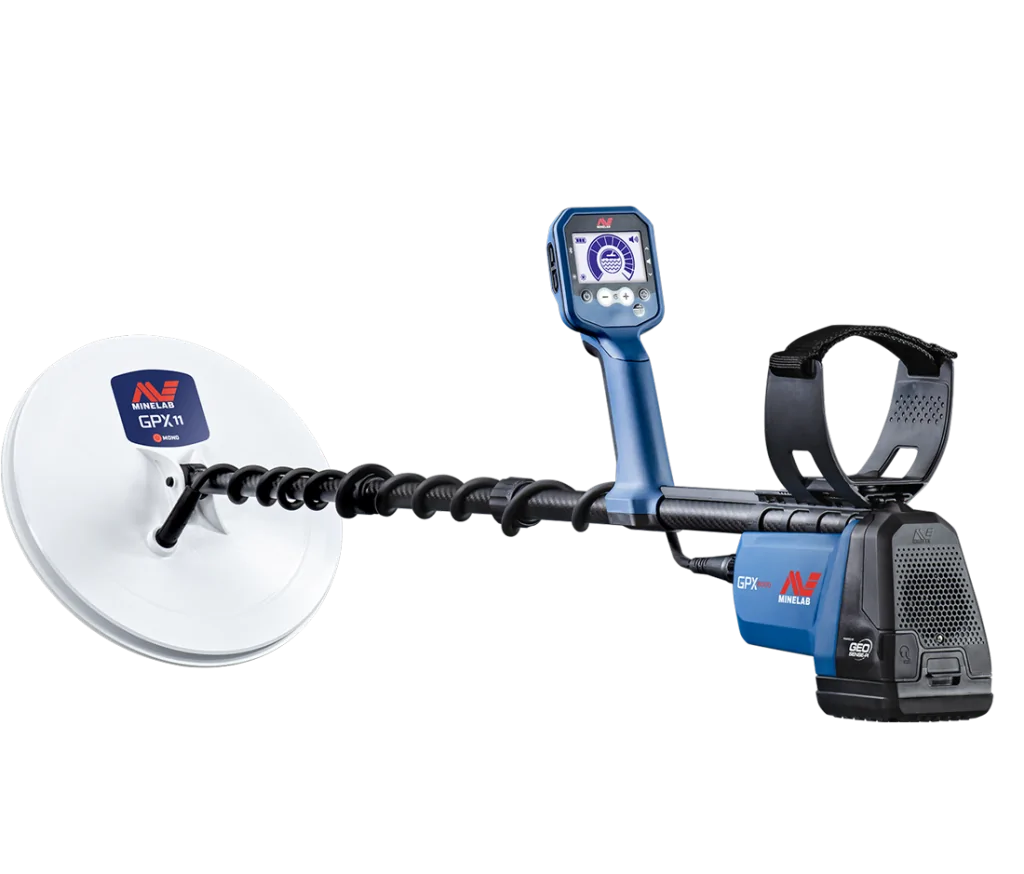
The Legend 2 and Minelab Manticore are strong examples for beach and wet-ground users because multi-frequency operation is helpful in conductive salt. Equinox-class detectors are also commonly associated with beach and water use. These are good choices for coins, jewelry, and mixed targets.
Gold Stinger X6 is better understood as a flexible multi-system land detector for gold, metals, depth, 2D scan, and cavity/void detection rather than a dedicated underwater machine. It can be relevant for dry desert, rocky soil, and mixed exploration, but buyers should check water limitations before using any device in wet conditions.
Garrett Axiom, GPX 6000, and GPZ 8000 fit goldfield users where mineralized soil is more important than beach jewelry. Always check the manual for rain, coil, and control-box water limits before using professional gold detectors near water.
Choosing by Target
| Target | Best Waterproof Direction | Reason |
|---|---|---|
| Beach jewelry | Waterproof multi-frequency detector | Handles wet salt and small jewelry better |
| Coins in parks after rain | Weather-resistant VLF or multi-frequency | Wet soil but not underwater use |
| Freshwater relics | Submersible detector with suitable coil | Control in shallow water and rocky bottoms |
| Raw gold near streams | Gold detector plus pan and sampling tools | Detect nuggets and test fine gold material |
| Underwater search | Diving-rated detector | Must meet depth and headphone requirements |
Accessories for Wet Detecting
A good waterproof metal detector is only part of the kit. You may need waterproof headphones, a sand scoop, waterproof pouch, gloves, boots, spare seals, towel, rinse water, and a finds container. For beach hunting, a long-handled sand scoop saves time. For river detecting, gloves and sturdy footwear are essential. For gold-bearing streams, add a gold pan, classifier, snuffer bottle, and sample vials.
Maintenance After Water Use
After saltwater use, rinse the detector with fresh water according to the manufacturer’s instructions. Salt can damage connectors, shafts, bolts, and seals. Dry the detector before storage. Check charging ports, battery compartments, and headphone connections. Never open sealed compartments while the detector is wet or sandy unless the manual says it is safe.
Even a good waterproof metal detector can be damaged by careless maintenance. Waterproof ratings depend on seals and correct use. If a cap is loose or a seal is dirty, water protection can fail.
Common Mistakes
Confusing Waterproof Coil With Waterproof Detector
A waterproof coil does not mean the control box can be submerged.
Ignoring Saltwater Performance
A detector can be waterproof but unstable in wet salt sand if it lacks proper beach technology.
Using Normal Headphones in Water
Waterproof detecting may require specific waterproof headphones or compatible audio accessories.
Skipping Freshwater Rinse
Salt and sand can damage equipment if not cleaned properly after beach use.
Waterproof Detector Buying Checklist
Before buying a waterproof metal detector, ask practical questions. What is the maximum waterproof depth rating? Is the control box waterproof, or only the coil? Are the headphones waterproof? Does the charging port require a sealed cap? Can the detector operate in saltwater, or only freshwater? Does it include beach mode? Is it simultaneous multi-frequency? Are replacement coils available? Is the shaft easy to clean after sand exposure?
These questions prevent expensive mistakes. A detector may look rugged, but if the control box is not submersible, one wave can damage it. Another detector may be fully waterproof, but if it lacks stable salt handling, it may be frustrating on wet ocean sand. A good waterproof metal detector should match both the physical environment and the target type.
| Question | Why It Matters |
|---|---|
| Is the whole detector waterproof? | Coil-only waterproofing is not safe for submersion |
| What is the depth rating? | Shallow wading and diving require different ratings |
| Does it handle saltwater? | Saltwater creates a conductive response that needs proper technology |
| Are waterproof headphones included? | Audio accessories must match the water environment |
| Is the shaft easy to rinse? | Sand and salt can lock parts if not cleaned |
Freshwater Gold Prospecting With a Detector
Some prospectors use a waterproof metal detector around streams and shallow freshwater areas where gold may collect in cracks, behind rocks, or in gravel traps. This is different from beach jewelry hunting. The targets may be natural gold, small lead, iron trash, or old tools. The user may need a gold pan and classifier to confirm whether the area contains fine gold.
In freshwater gold areas, coil control is important. Moving water can push the coil, and rocks can create false bumps. A smaller coil may be easier to control between stones. Waterproof gloves, stable boots, and a scoop or crevice tool are essential. If the ground is mineralized, the detector still needs good ground balance. Water protection alone does not solve black sand, hot rocks, or iron-rich gravel.
Beach Jewelry Workflow
For beach jewelry, divide the beach into zones: dry towel line, wet slope, waterline, and shallow surf. Each zone may require different settings. Dry sand often allows higher sensitivity and normal modes. Wet sand may require beach mode or salt balance. Surf searching requires waterproof headphones, careful coil control, and a recovery scoop that works in moving water.
A waterproof metal detector for jewelry should not reject too much low-conductive material. Gold rings, earrings, and chains can appear in the same range as foil or aluminum trash. If the user sets discrimination too aggressively, valuable targets may be missed. In popular beaches, digging more targets is often the price of finding jewelry.
How to Compare Waterproof Models
When comparing models, do not rank them only by waterproof depth. A detector rated for deeper water may still be less useful for your target if it lacks good beach modes, target ID, or coil options. A lightweight detector with excellent salt stability may be better for beach jewelry than a heavier machine designed for another purpose.
For beginners, the best waterproof metal detector is usually one that is easy to use, stable in the intended environment, and supported by clear instructions. For experienced users, advanced audio, multiple frequencies, recovery speed, and custom programs become more important. For serious underwater search, durability and dedicated waterproof accessories matter most.
FAQ
Can any waterproof metal detector work at the beach?
No. It may survive water but still struggle with salt. Look for beach mode or simultaneous multi-frequency for wet salt sand.
Is freshwater easier than saltwater?
Usually yes. Freshwater does not create the same conductive salt response, although rocks and minerals can still be challenging.
Do I need a waterproof detector for rain?
Not always. Weather resistance may be enough for light rain, but full submersion requires a true waterproof rating.
Final Verdict
Choose a waterproof metal detector according to both water protection and detection performance. For wet salt beaches, prioritize beach-capable multi-frequency detectors. For rivers, prioritize control, durability, and recovery tools. For wet goldfields, prioritize ground balance and small-gold sensitivity. Waterproofing protects the machine, but the right technology finds the target.
External Sources
- Minelab FAQ – Beach and Ground Settings
- Minelab – Get Started in Detecting
- Garrett – Guide to Metal Detectors