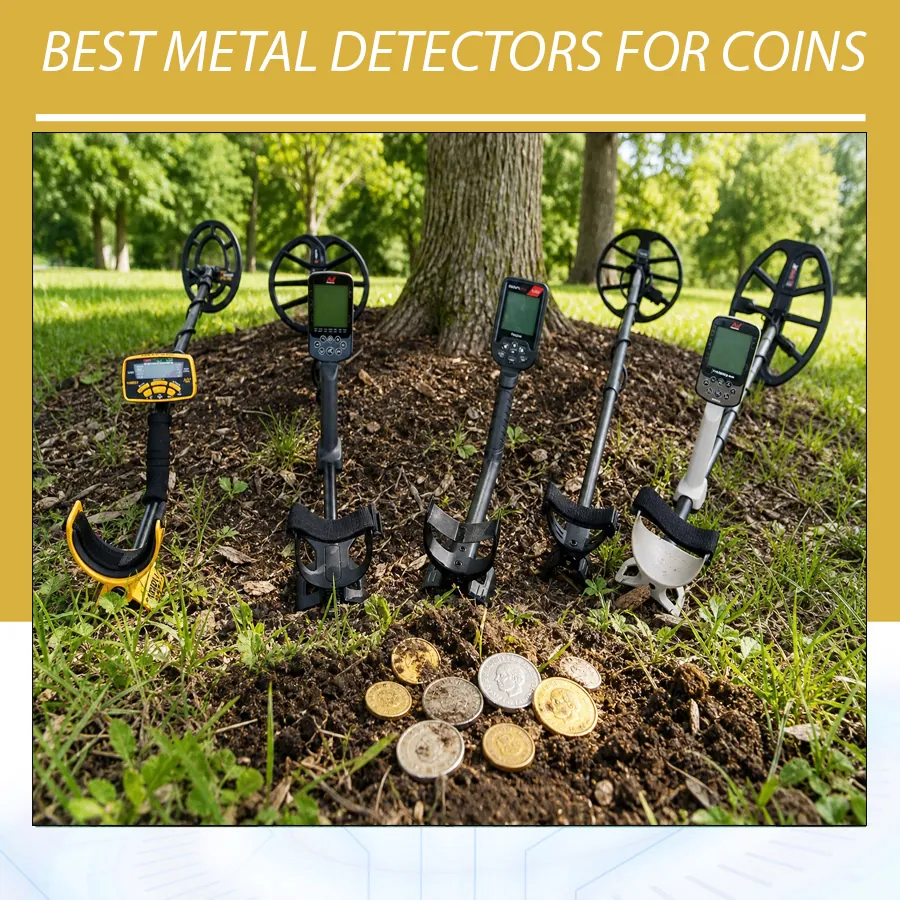
Best Metal Detectors for Coins: Buyer Guide and Device Comparison
Introduction: Coin Hunting Is About Accuracy, Not Just Depth
Coin hunting is one of the most rewarding forms of metal detecting because it combines history, patience, signal reading, and practical field skill. Unlike deep treasure hunting, where large targets and underground anomalies often dominate the discussion, coin detecting is usually about precision. The best finds may sit among nails, foil, pull tabs, bottle caps, mineralized soil, tree roots, wet grass, or compacted old paths. A detector must not only find metal; it must help you decide which signals are worth digging.
This is why choosing the best metal detectors for coins is different from choosing a gold prospecting detector or a 3D ground scanner. A coin detector needs stable target ID, good discrimination, fast recovery speed, useful search modes, comfortable handling, and a coil that matches your search site. Depth is still important, especially for old silver coins and older ground layers, but extreme depth is not useful if the detector cannot separate a coin from nearby junk.
This guide compares coin-hunting features and practical device options using detectors available through Orient Detectors. We will discuss models such as Garrett ACE 400i, Garrett ACE Apex, Nokta The Legend 2, Simplex Ultra, Minelab Manticore, Minelab X-TERRA series, Equinox-style multi-frequency detectors, and other electromagnetic detectors suited to coins, jewelry, relics, parks, fields, and beaches. The goal is to help buyers choose a detector that performs well in real coin sites, not only on clean test benches.
Quick Answer: What Are the Best Metal Detectors for Coins?
For beginners, Garrett ACE 400i remains one of the most practical coin detector choices because it is simple, affordable, and includes useful coin-hunting features such as Digital Target ID, Iron Audio, discrimination, sensitivity adjustment, and pinpointing. Garrett ACE Apex is a better step-up option for buyers who want Multi-Flex technology and more flexibility across soil conditions. Nokta The Legend 2 is a strong all-terrain multi-frequency detector with Park, Field, Beach, Relic, and Gold modes, 99 Target IDs, recovery speed adjustment, and waterproof construction. Simplex Ultra is a strong value option for users who want a capable entry-to-mid detector. Minelab Manticore is best for advanced coin hunters who want premium target ID, fast response, Multi-IQ+ technology, waterproofing, and detailed target information.
In short, the best metal detectors for coins are usually not the machines with the biggest depth claim. They are the detectors that give stable coin IDs, separate targets in trash, identify iron better, and remain comfortable during long search sessions.
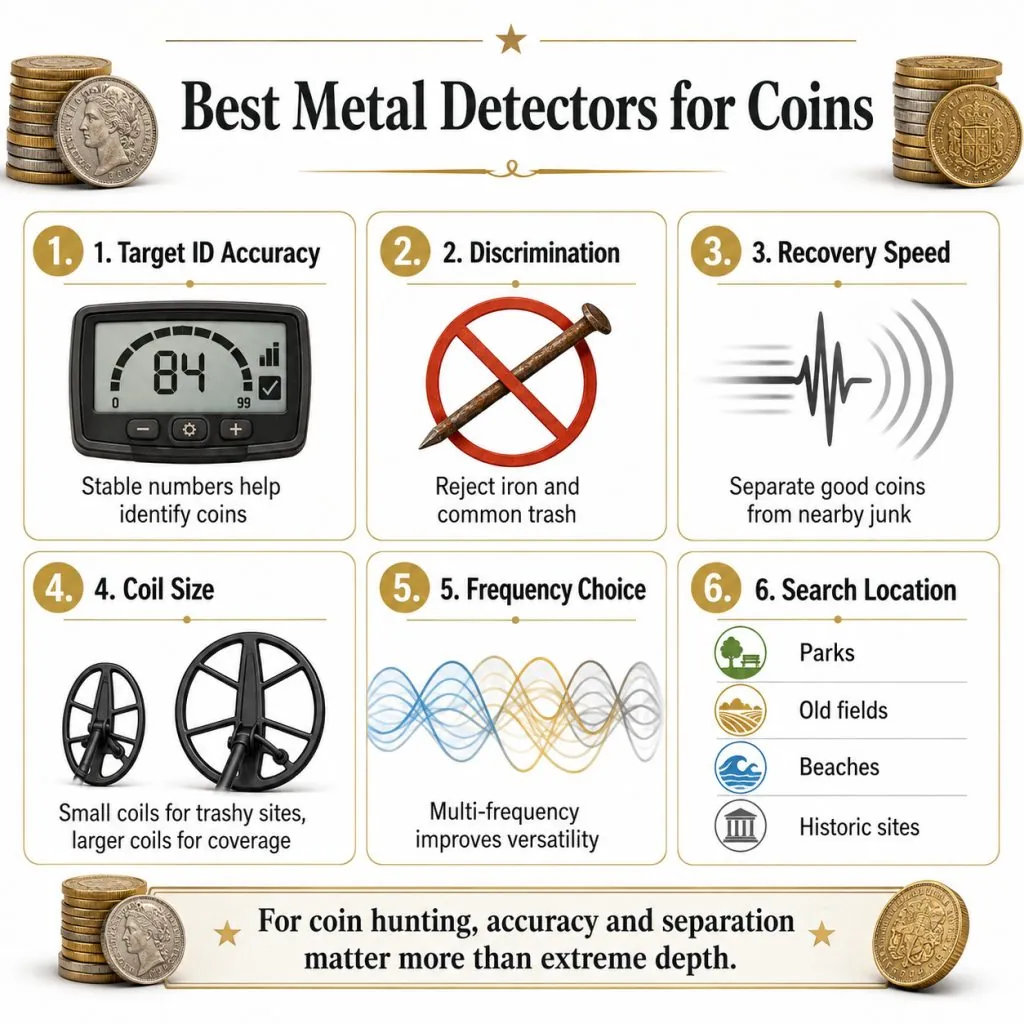
What Makes a Detector Good for Coins?
A good coin detector must solve the main problems of coin hunting. First, coins are often surrounded by trash. In parks and picnic areas, modern trash can be everywhere. In old fields, iron nails and rusted fragments are common. In historical ground, a valuable coin may be close to ferrous debris. If the detector has slow recovery speed or poor separation, it may blend signals together and miss the coin.
Second, coin hunters rely heavily on target ID. A detector’s target ID number estimates the conductivity of the detected object. Coins often fall into recognizable ID ranges, but the exact number changes depending on metal type, depth, soil, corrosion, size, and orientation. Stable target ID does not guarantee a coin, but it helps users make smarter dig decisions.
Third, discrimination and notch settings matter. Coin hunters usually do not want to dig every nail. But too much rejection can also hide good targets, especially old or unusual coins. The best approach is balanced discrimination: reject obvious iron while keeping enough range open to avoid missing valuable non-ferrous targets.
Fourth, comfort matters more than many buyers expect. Coin hunting often means slow coverage of large areas. A detector that is too heavy or poorly balanced will reduce search time and accuracy. The best metal detectors for coins combine electronics with ergonomics.
Key Features to Compare Before Buying
1. Target ID Accuracy
Target ID is the heart of coin hunting. A clear, repeatable ID helps users decide when to dig. Garrett ACE 400i uses Digital Target ID from 0 to 99, which is one reason it remains popular with beginners. Nokta The Legend 2 also offers expanded 99 Target IDs, while Minelab Manticore uses a 2D ID system with 100 conductive and 50 ferrous segments, giving advanced users more information about the target’s conductive and ferrous behavior.
However, target ID must be interpreted carefully. A deep coin may read lower than expected. A coin on edge can sound different. Mineralized soil can pull IDs away from normal ranges. A rusty bottle cap may mimic a coin. The best detector is the one that gives consistent information while allowing the user to test from several sweep angles.
2. Discrimination and Iron Handling
Discrimination allows the detector to ignore or reduce responses from unwanted targets. Coin hunters use it mainly to avoid iron and some trash. Garrett ACE 400i includes Iron Audio, which lets users hear normally silenced iron. This is useful because some iron targets can sound partially good, and hearing the iron component helps avoid unnecessary digging. Garrett describes ACE 400i as including frequency adjustment, Iron Audio, Digital Target ID, and pinpoint mode.
Advanced detectors offer more control. Minelab Manticore provides enhanced discrimination and Ferrous Limits, while The Legend 2 offers All Metal, Ferrous Off, Ground Effect Off, custom notch discrimination, and FerroCheck. These features matter in coin sites because old ground is rarely clean.
3. Recovery Speed
Recovery speed is the detector’s ability to respond to separate targets close together. In trashy ground, a coin may be only a few centimeters away from a nail. A detector with slow recovery may let the iron mask the coin. A faster detector can produce separate signals, helping the user hear the good target.
Nokta highlights recovery speed adjustment on The Legend 2, explaining that it helps detect smaller targets among trash by adjusting how fast the target response is processed. Minelab also lists adjustable recovery speed on Manticore and explains that higher recovery speed can help separate closely spaced targets in trash-heavy ground, while lower recovery speed may improve depth on isolated targets.
This is a major reason modern multi-frequency detectors are popular among coin hunters. The best metal detectors for coins must perform well where coins and junk live together.
4. Coil Size and Shape
Coil choice can change the entire personality of a detector. A large coil covers more ground and may reach deeper on isolated coins, but it can struggle in trashy parks or around roots. A smaller coil improves separation, target isolation, and maneuverability. Elliptical coils can help search between obstacles and in tighter ground.
For open fields, an 11-inch DD coil is a practical all-around choice. For dense trash, a smaller coil may find coins that a larger coil masks. For beaches, a larger coil can help cover more sand. When choosing from the best metal detectors for coins, check available coil options and not just the detector body.
5. Frequency and Multi-Frequency Performance
Coin detectors often perform well at mid-range frequencies because coins are larger and more conductive than tiny gold nuggets. Lower and mid frequencies can help on deeper silver and copper coins, while higher frequencies may improve response on smaller jewelry and low-conductive targets. Multi-frequency detectors offer broader performance because they analyze multiple frequency responses at once.
Garrett ACE Apex uses Multi-Flex technology. Nokta The Legend 2 uses simultaneous multi-frequency and single frequencies of 4, 10, 15, 20, and 40 kHz. Minelab Manticore uses Multi-IQ+ with single frequencies from 5 to 40 kHz. These technologies are especially useful when moving between parks, fields, wet sand, and mineralized ground.
6. Pinpointing and Recovery
Finding the target in the hole is part of coin hunting. Built-in pinpoint mode helps identify the target center before digging, while a handheld pinpointer speeds up recovery. Garrett ACE 400i, ACE Apex, The Legend 2, Manticore, and many modern detectors include pinpoint functions. Beginners should still consider a separate pinpointer because it reduces digging time and protects the find.
Comparison Table: Best Metal Detectors for Coins
| Detector | Best Buyer | Coin-Hunting Strength | Technology | Best Use |
|---|---|---|---|---|
| Garrett ACE 400i | Beginner / hobby user | Digital Target ID, Iron Audio, simple controls | VLF | Parks, dry fields, coins, jewelry |
| Garrett ACE Apex | Beginner plus / step-up user | Multi-Flex, fast response, modern interface | Multi-frequency / single frequency options | Coins, jewelry, mixed soil, general hunting |
| Nokta The Legend 2 | All-terrain coin hunter | 99 Target IDs, recovery speed, waterproof, multiple modes | Simultaneous multi-frequency | Parks, fields, beaches, relics, coins |
| Simplex Ultra | Value-focused beginner | Easy operation, solid performance, good learning platform | VLF | General coin and jewelry hunting |
| Minelab Manticore | Advanced coin hunter | 2D ID Map, Multi-IQ+, fast response, enhanced discrimination | Multi-IQ+ | Trashy parks, beaches, old fields, advanced coin hunting |
| Minelab X-TERRA series | Budget to mid-level user | Practical controls and multi-purpose detecting | VLF / model-dependent | Coins, jewelry, parks, beginner training |
| Gold Stinger X6 | User wanting coins plus broader search | Multiple search systems, target scan, depth detection | Multi-system detector | Coins, gold, relics, mixed targets, depth-oriented search |
1. Garrett ACE 400i: Best Entry-Level Coin Detector
Garrett ACE 400i is one of the easiest devices to recommend for new coin hunters. It gives beginners the essential coin-hunting tools without forcing them to learn a complex platform from day one. Orient Detectors describes it as a simple, easy-to-use metal detector that offers strong entry into detection and prospecting. Garrett’s ACE information highlights frequency adjustment, Iron Audio, Digital Target ID, and pinpoint mode.
The ACE 400i works well for users who want to search parks, dry sand, fields, and old paths. It is especially attractive because it gives clear information while remaining approachable. Beginners can learn how coin IDs behave, how discrimination affects signals, and how pinpointing helps recover targets. The detector is not the most advanced choice in this guide, but it is one of the most practical.
For many buyers comparing the best metal detectors for coins, Garrett ACE 400i is the answer when the priority is price, simplicity, and proven coin-hunting performance. It is best for casual users, hobbyists, and beginners who want to learn properly before upgrading.
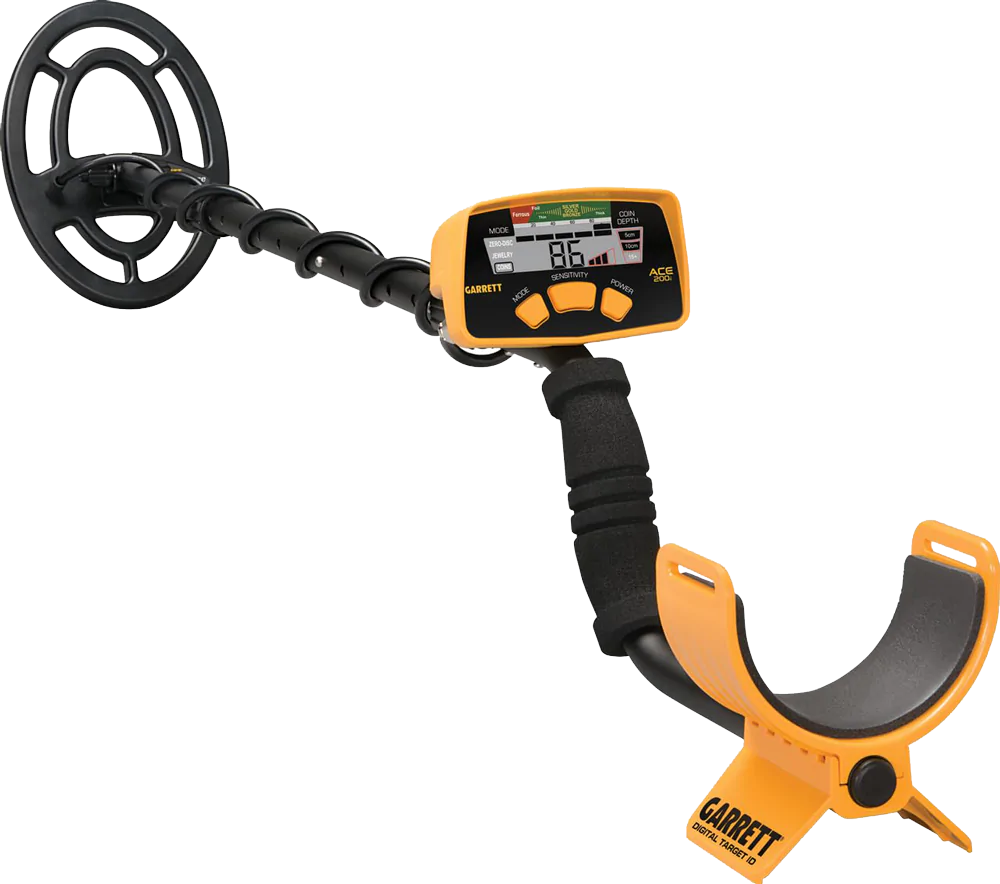
2. Garrett ACE Apex: Best Step-Up Garrett Option for Coins
Garrett ACE Apex is a stronger choice for buyers who like the Garrett ecosystem but want more modern flexibility than a basic ACE detector. ACE Apex uses Garrett’s Multi-Flex technology, which allows the detector to operate across multiple frequency options. This is useful when moving between coin sites, jewelry locations, dry ground, and more variable soils.
Coin hunters benefit from the Apex because it offers better adaptability. If a site is trashy, fast response and discrimination control help. If the ground changes, multi-frequency behavior can improve stability. If the user wants to hunt both coins and jewelry, the detector is flexible enough to cover both.
ACE Apex fits the “beginner plus” category. It is still approachable, but it gives more long-term value than a simple starter. It is one of the best metal detectors for coins for users who expect to keep detecting regularly and want a detector that will not feel too limited after the first season.
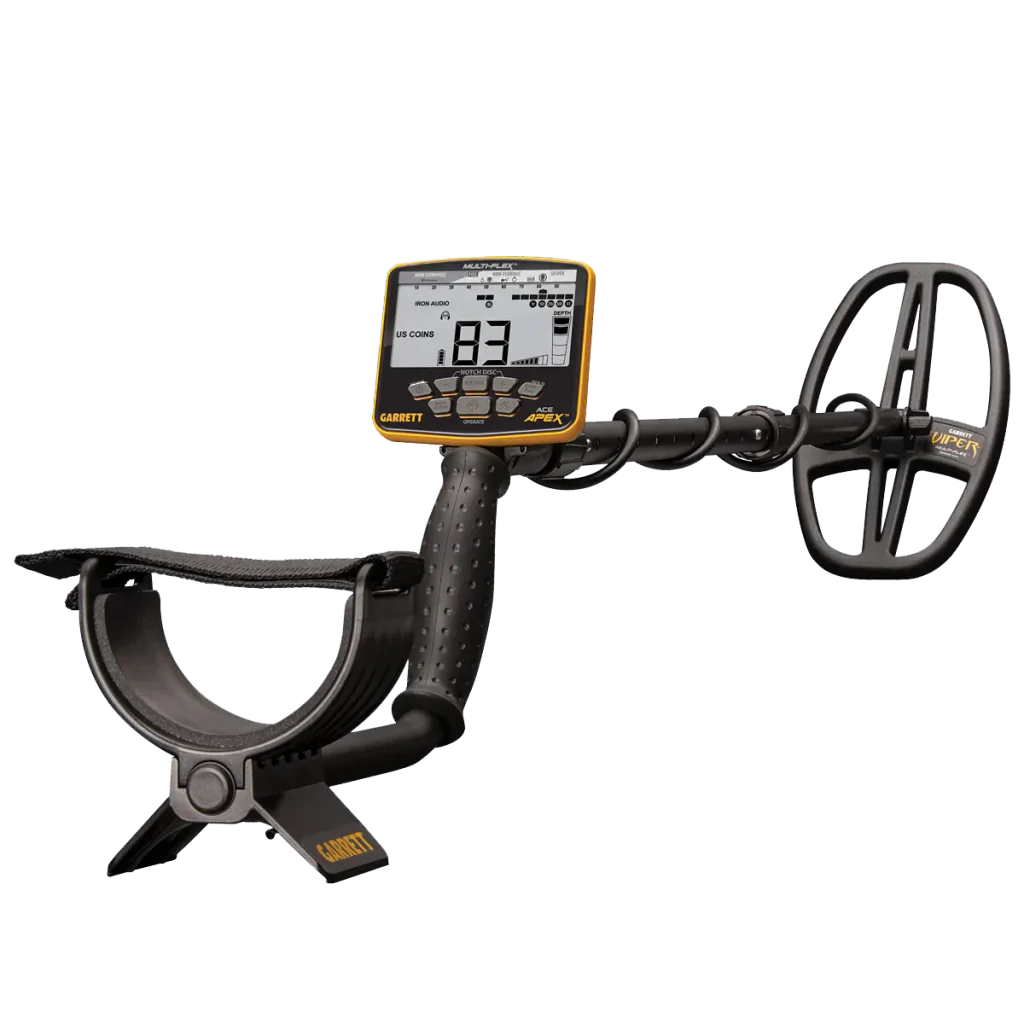
3. Nokta The Legend 2: Best All-Terrain Coin Detector for Growth
Nokta The Legend 2 is a very strong modern choice for coin hunters because it combines simultaneous multi-frequency detection, multiple search modes, strong waterproofing, recovery speed adjustment, 99 Target IDs, customizable audio tones, notch filtering, automatic/manual/tracking ground balance, and a lightweight 1.2 kg build. Nokta lists search modes including Park, Field, Beach, Relic, and Gold, which makes it highly flexible for buyers who search more than one type of site.
For coins, the important features are Park and Field modes, stable IDs, recovery speed, and separation. In trashy parks, a detector that can separate close targets is extremely useful. In old fields, ground balance and audio clarity help interpret deeper targets. On beaches, waterproofing and multi-frequency performance make the detector more adaptable.
The Legend 2 is one of the best metal detectors for coins if the buyer wants a device that works now as a first serious detector and later as a more advanced platform. It is also attractive because Nokta provides firmware support and a broad coil ecosystem, which can extend the detector’s useful life.
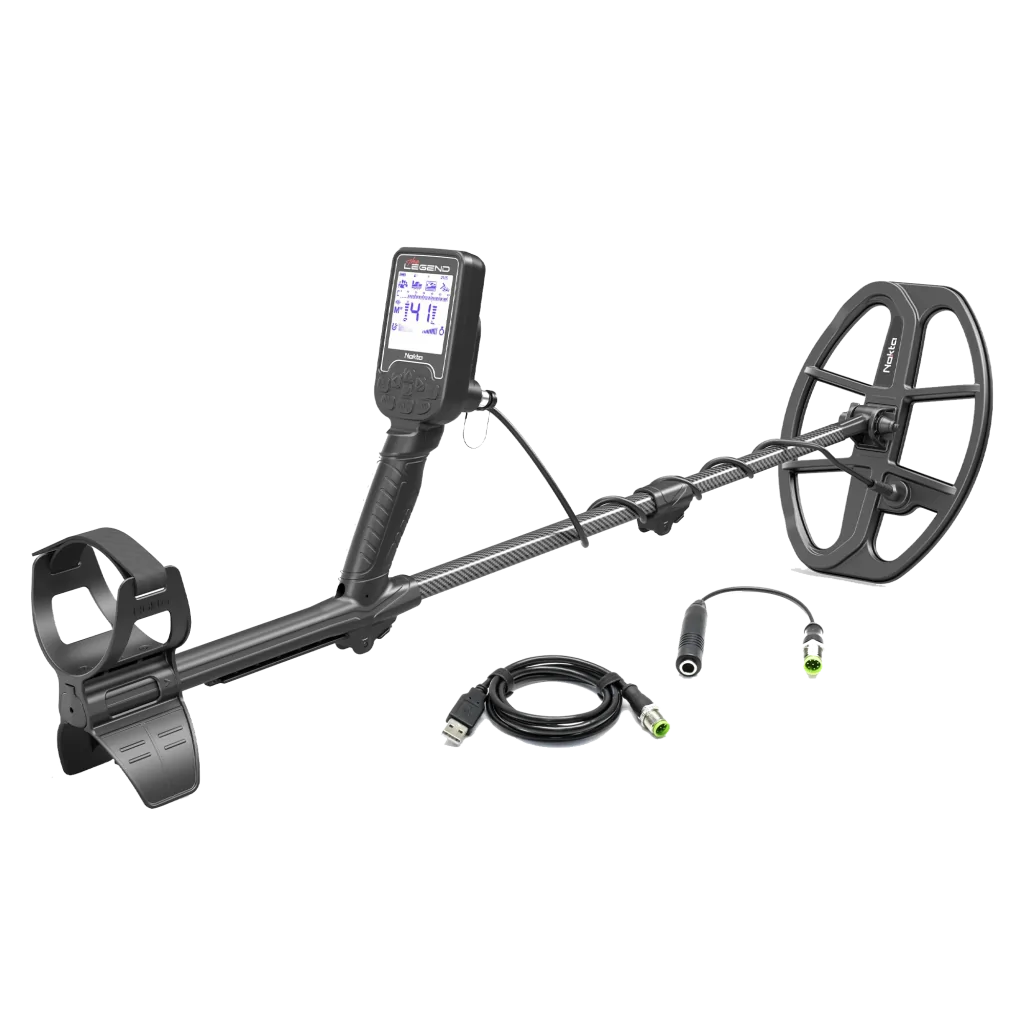
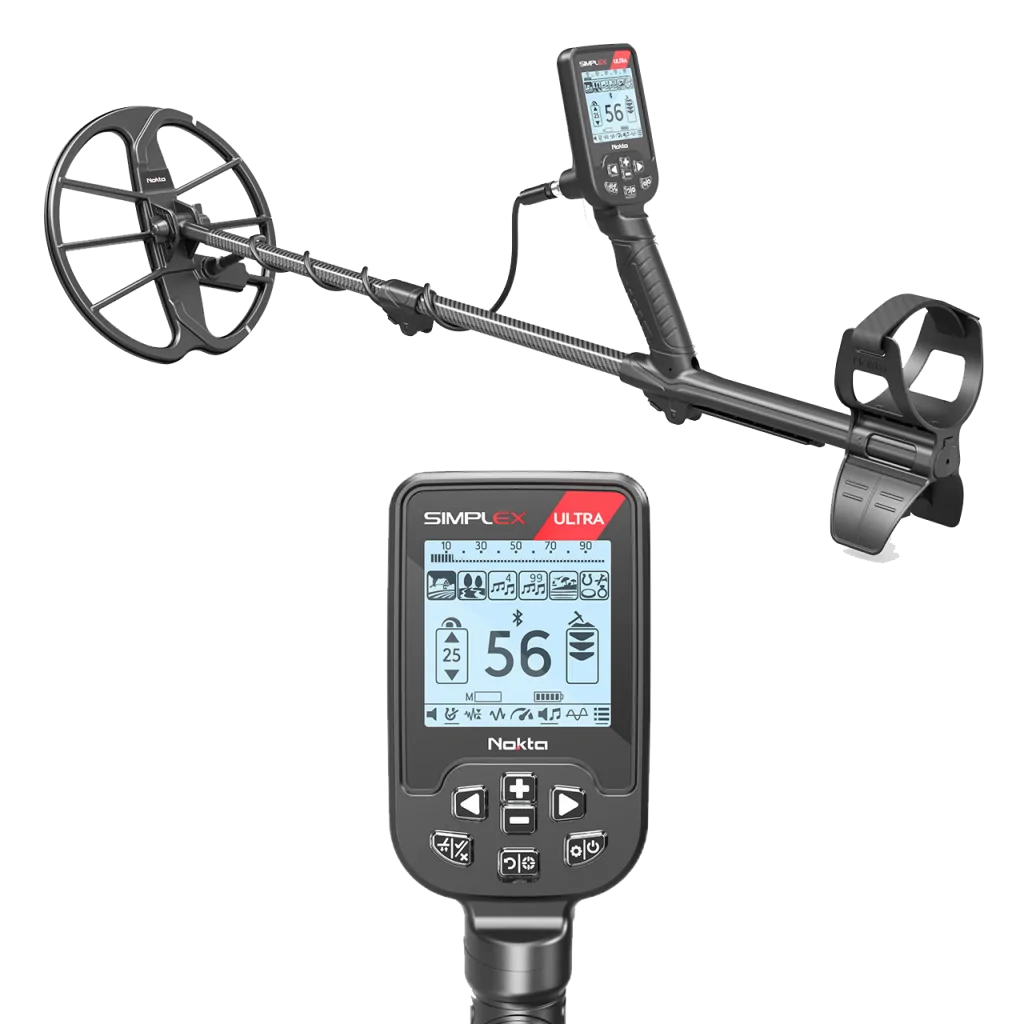
4. Simplex Ultra: Best Value Choice for Coin Hunters
Simplex Ultra is a practical option for users who want a capable detector without jumping into a premium budget. It is suitable for coins, jewelry, and general detecting, especially for users who are still learning. A value detector should not be judged only by price; it should be judged by whether it gives stable operation, comfortable handling, clear target information, and enough features for real field use.
For a beginner, Simplex Ultra can be a smart first detector because it allows practice without overwhelming the user. It is useful in parks, schoolyards where permitted, fields, and general ground. Users can learn how signals change with depth, how bottle caps differ from coins, and how coil movement affects target response.
Simplex Ultra is not the most advanced option among the best metal detectors for coins, but its strength is value. It is the type of detector that helps users enter the hobby with enough capability to make real finds and enough simplicity to keep going.
5. Minelab Manticore: Best Advanced Coin Detector
Minelab Manticore is designed for serious detectorists who want more information before digging. Minelab lists Manticore with Multi-IQ+, All Terrain, Beach, and Goldfield search modes, 2D IDs with 100 conductive and 50 ferrous segments, 0-99 target IDs, enhanced discrimination, adjustable recovery speed from 0 to 8, waterproofing up to 5 meters, a full-color LCD, wireless audio, and a light 1.3 kg build.
For coin hunters, the 2D ID Map is especially useful. Minelab explains that it displays ferrous and conductive characteristics of a target, helping users judge whether a signal is worth digging. This can be a major advantage in old sites where bent iron, crown caps, and mixed targets create confusing signals.
Manticore is not the cheapest detector in this guide, and it is not necessary for every beginner. But for advanced users, it is one of the best metal detectors for coins because it combines depth, identification, separation, waterproofing, and advanced audio control. It is ideal for serious coin hunters who want to search difficult sites with more confidence.

6. Minelab X-TERRA Series: Practical Coin Hunting on a Moderate Budget
The X-TERRA series can be a useful choice for buyers who want Minelab-style detecting without reaching the Manticore price level. Depending on the exact model, X-TERRA detectors are typically aimed at general-purpose detecting, including coins, jewelry, and parks. They are appropriate for users who want a reliable platform for regular coin hunting and do not need the most advanced target visualization.
For coin hunting, the key is to choose the model that matches your environment. If you only search dry parks and fields, a simpler model can work well. If you search wet ground or beaches, you need stronger environmental protection and better salt handling. Always check the exact product page on Orient Detectors before buying because model features vary.
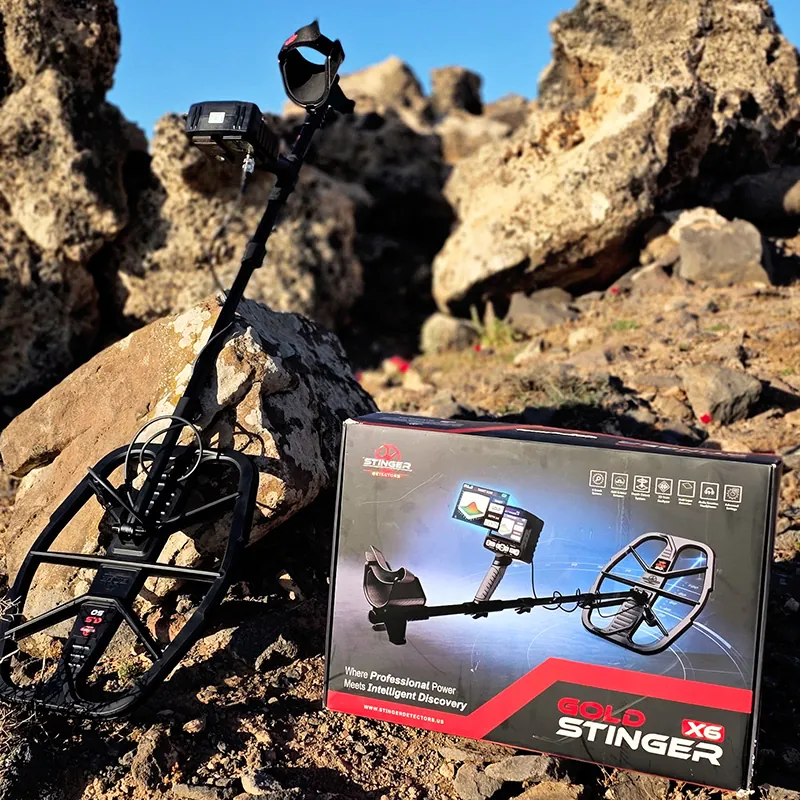
7. Gold Stinger X6: Best Multi-System Option for Coins Plus More
Gold Stinger X6 is not a traditional coin-only detector. It is a broader multi-system machine designed for gold, metals, relics, target scanning, depth detection, and cavity/void detection. That makes it useful for buyers who want coin hunting as one part of a wider search plan. If your only target is modern coins in parks, a simpler coin detector may be more efficient. But if you want coins, relics, gold, and deeper search options in one device, Gold Stinger X6 becomes more interesting.
The device includes multiple search systems and different coils, which means the user can adapt the setup to different targets. For coins, the user should focus on stable repeatable signals, discrimination, and accurate pinpointing. For mixed search, the target scan and depth functions can add another layer of information.
Gold Stinger X6 is best for buyers who do not want a narrow detector. It may not replace a dedicated high-end coin detector in trash-heavy parks, but it can be a strong all-around choice for users who want more than coin hunting.
Best Coin Detectors by Search Location
Parks and Picnic Areas
Parks are usually full of modern trash: pull tabs, foil, bottle caps, screws, nails, and small aluminum. The best detector for parks must have good target ID, discrimination, and recovery speed. Garrett ACE 400i is a good beginner choice, ACE Apex is a stronger step-up, The Legend 2 is excellent for users who want more settings, and Manticore is ideal for advanced users who want the best information before digging.
Old Fields and Farm Land
Old fields can hold older coins, buttons, relics, and iron. These sites require patience because good targets may be deep or close to rusted objects. A detector with strong separation and ground balance is useful. The Legend 2, Manticore, ACE Apex, and Gold Stinger X6 can all fit depending on the user’s budget and purpose.
Beaches and Wet Sand
Beach coin hunting is different because saltwater can create detector instability. Multi-frequency detectors often perform better in wet sand than basic single-frequency machines. The Legend 2 and Manticore are strong choices because they are waterproof and designed for varied ground. If you only search dry sand, simpler detectors may work, but wet salt conditions require more capability.
Historic Sites
Historic sites require permission and responsible detecting. They also require careful interpretation because old coins may be mixed with iron, brass fragments, lead, and other relics. Recovery speed, audio nuance, target ID stability, and coil choice matter. Advanced detectors such as Manticore and The Legend 2 are especially useful here, while ACE Apex and Gold Stinger X6 can also be practical depending on site conditions.
How to Use Target ID for Coin Hunting
Target ID is helpful, but it should never be treated as a guaranteed label. A detector may show a number that suggests a coin, but the object might be a bottle cap, washer, aluminum, or flat brass. A coin may also appear outside the expected ID range if it is deep, corroded, tilted, or near iron. Good coin hunters use target ID as one clue, not the whole decision.
When you get a possible coin signal, sweep from different directions. A good coin often gives a repeatable response. Watch how the ID behaves. Does it stay stable or jump wildly? Does the audio sound clean or broken? Does the pinpoint location match the strongest audio response? These questions improve your dig decisions.
The best metal detectors for coins help by giving more consistent IDs, but user skill still matters. Keep a notebook of target IDs from your detector. Record common coins, bottle caps, pull tabs, and trash. Over time, you will learn local patterns better than any chart can teach.
Discrimination Settings: Use Them Carefully
Discrimination is useful, but aggressive discrimination can cost you finds. Beginners often reject too much because they want to avoid trash. The problem is that older coins, thin coins, low-conductive coins, jewelry, and targets near iron may not sound perfect. If your detector rejects too much of the signal range, you may never hear them.
For coin hunting, start with moderate discrimination that rejects obvious iron while leaving most non-ferrous IDs open. In very trashy sites, use notch discrimination carefully. If you are searching an old area, consider digging more uncertain signals because valuable coins do not always sound textbook-perfect.
Garrett Iron Audio, Nokta FerroCheck, and Minelab ferrous indication tools can help identify iron more intelligently. The goal is not to silence the ground completely. The goal is to hear enough information to make smart decisions.
Coil Strategy for Coins
If you search open fields, an 11-inch coil is a strong general choice. It gives good coverage and reasonable depth. If you search trashy parks, a smaller coil may be better because it can separate targets more clearly. If you search around benches, trees, fences, and playground edges, a smaller coil is also easier to maneuver.
Many coin hunters eventually own more than one coil. They use a standard coil for general searching, a small coil for trash, and sometimes a larger coil for open ground. When comparing the best metal detectors for coins, check coil availability before buying. A detector with good coil options can adapt as your skills improve.
Depth Expectations for Coins
Coin depth depends on soil, coin size, metal type, coil size, detector settings, and how long the coin has been in the ground. In many real sites, coin hunting is not about extreme depth. It is about finding masked targets and reading signals others ignored. A deep coin under clean soil may be easy for a good detector. A shallow coin beside iron may be much harder.
Do not judge a coin detector by air tests alone. Air tests are useful for learning response, but they do not reproduce mineralized soil, moisture, target orientation, and nearby trash. Field performance is what matters.
Beginner Coin-Hunting Practice Plan
Before going to a real site, practice with known targets. Place different coins, bottle caps, pull tabs, foil, nails, and jewelry on clean ground. Sweep over them and watch the target ID. Then bury them at shallow depths. Try different sweep speeds. Turn the coin on edge. Place a nail near a coin and see how the detector responds. This kind of practice teaches more than reading a manual once.
During your first hunts, dig more signals than you think you should. Trash teaches you how your detector sounds. After several sessions, you will begin to identify repeatable coin responses more confidently. The best metal detectors for coins are more useful when the operator understands local trash behavior.
Accessories Coin Hunters Should Consider
A pinpointer is one of the best accessories for coin hunting. It helps locate the coin in the hole and reduces digging time. Headphones help hear subtle signals and reduce noise in public places. A digging tool should match the soil and local rules. A finds pouch and trash pouch are essential because responsible detectorists remove junk instead of leaving it behind.
Other useful accessories include coil covers, extra charging cables, protective screen covers, gloves, and a small brush for cleaning loose soil from finds. Never scrub valuable old coins aggressively in the field; careless cleaning can reduce historical or collector value.
Legal and Ethical Coin Detecting
Always check local rules before detecting. Public parks, beaches, historical areas, private land, farms, and protected sites can have different regulations. Get permission before entering private land. Avoid archaeological sites unless you have the proper authorization. Fill holes cleanly and remove trash. Responsible detecting protects the hobby and builds trust with landowners.
This point is important for every buyer. A good detector is only part of successful coin hunting. The other part is respectful behavior, patience, and knowing where you are allowed to search.
Internal Links for Readers
Readers who want to continue comparing detectors can start from metal detectors and gold detectors on Orient Detectors. For beginner-friendly choices, see Best Metal Detectors for Beginners. For technology decisions, read Metal Detector Frequency Guide and Pulse Induction vs VLF Metal Detectors. For realistic depth expectations, read Metal Detector Depth Chart. For users who want coins plus relics, link to Best Metal Detectors for Ancient Coins and Relics.
Product and category links should include Garrett ACE 400i Review, Garrett metal detectors, Minelab metal detectors, and electromagnetic system detectors.
FAQ: Best Metal Detectors for Coins
What is the best metal detector for coins?
The best detector depends on your experience and search location. Garrett ACE 400i is excellent for beginners, Garrett ACE Apex is a strong step-up, Nokta The Legend 2 is a versatile all-terrain option, Simplex Ultra is strong for value, and Minelab Manticore is best for advanced coin hunters who want premium target information.
Is target ID important for coin detecting?
Yes. Target ID helps estimate whether a signal may be a coin, but it is not perfect. Soil, depth, corrosion, nearby trash, and target angle can all affect the number. Use target ID with audio and repeatability.
What frequency is best for coins?
Mid-range frequencies are often effective for coins, while multi-frequency detectors offer better versatility across soil and target types. Machines such as Garrett ACE Apex, Nokta The Legend 2, and Minelab Manticore are useful because they can adapt to different conditions.
Do I need a waterproof detector for coin hunting?
You need waterproofing if you search beaches, rivers, wet ground, or shallow water. For dry parks and fields, a waterproof coil may be enough. Always check whether the entire detector is waterproof or only the coil.
Are deeper detectors better for coins?
Not always. For coin hunting, target separation, ID stability, recovery speed, and discrimination often matter more than extreme depth. A shallow coin next to iron can be harder to find than a deeper coin in clean ground.
What coil is best for coin hunting?
An 11-inch DD coil is a good all-around option. Smaller coils are better for trashy parks and tight areas, while larger coils are better for open fields and faster coverage.
Can beginners find old coins?
Yes, but site choice and technique matter. Learn your detector with modern coins first, practice target ID and pinpointing, and search places where older coins are likely, with proper permission.
Final Verdict: Choose the Detector That Reads Coins Clearly
The best metal detectors for coins are the ones that help you identify good targets in real ground. Beginners should consider Garrett ACE 400i or Simplex Ultra for easy learning. Buyers who want more flexibility should look at Garrett ACE Apex or Nokta The Legend 2. Advanced coin hunters who want detailed target information, fast response, and premium discrimination should consider Minelab Manticore. Users who want coins plus broader search systems may also compare Gold Stinger X6.
Coin hunting rewards accuracy, patience, and careful signal reading. Choose a detector with stable target ID, useful discrimination, appropriate coil options, and enough comfort for long hunts. Then practice with known targets before expecting perfect results in the field. A well-chosen detector, used carefully, can turn ordinary ground into a productive search area.
Sources and Useful References
- Orient Detectors – Metal Detectors and Gold Detectors
- Orient Detectors – The Best Coin Metal Detectors
- Orient Detectors – Find Coins With Metal Detectors
- Orient Detectors – Garrett ACE 400i Review
- Orient Detectors – Garrett Devices
- Orient Detectors – Minelab Devices
- Orient Detectors – Electromagnetic System Detectors
- Nokta – The Legend 2 Official Page
- Minelab – Manticore Official Page
- Minelab – Manticore Tech Specs
- Garrett ACE Models