
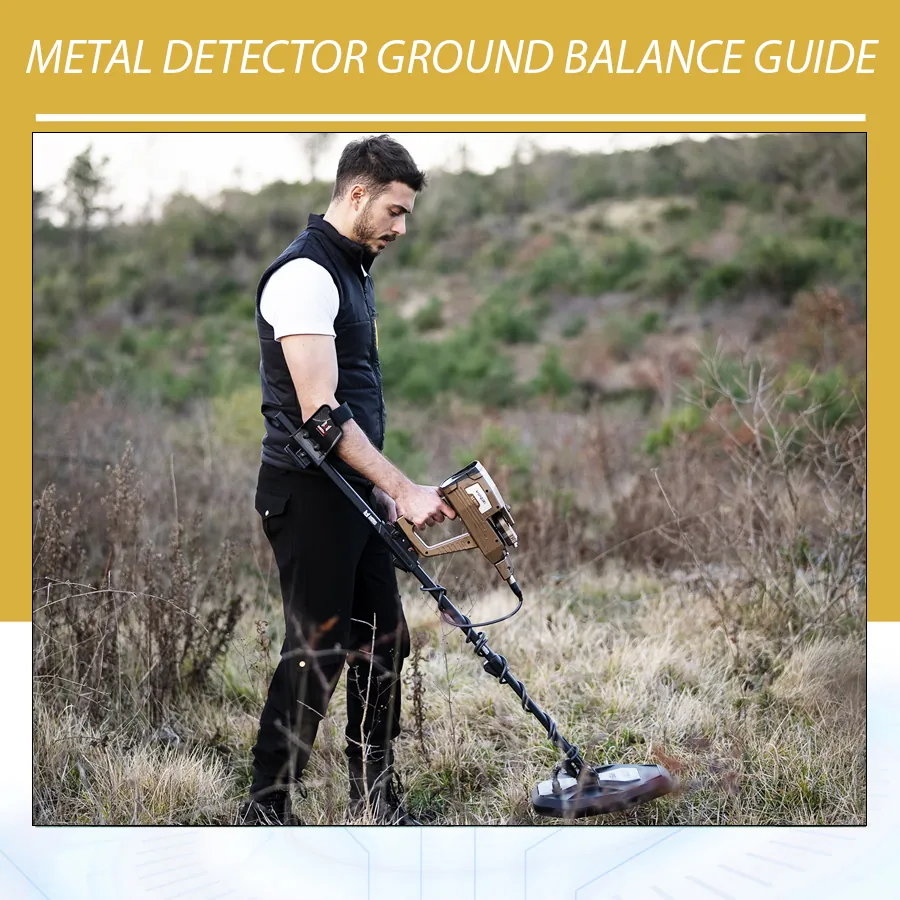
Metal Detector Ground Balance Guide: Manual, Automatic, and Tracking Explained
Introduction: Why Ground Balance Matters More Than Beginners Think
Metal detector ground balance is one of the most important settings in real field detecting, yet many beginners ignore it until the detector becomes noisy. A detector may beep over empty ground, lose depth, show unstable target ID, or sound like it is finding targets everywhere. In many cases the machine is not broken. It is simply reacting to minerals in the soil.
Every search site has a ground signal. Clay can contain iron oxides. Black sand can contain magnetite. Wet beach sand contains salt. Desert soil can include hot rocks and mineral pockets. A detector must recognize this ground response and reduce it so real metal targets stand out. That is the role of metal detector ground balance.
This guide explains ground balance in practical terms: what it does, why soil type changes performance, how manual, automatic, tracking, and fixed ground balance differ, and which detector categories suit each condition. It also includes examples from devices available through Orient Detectors, including Gold Stinger X6, Gold Monster 2000, Garrett Axiom, GPX 6000, GPZ 8000, The Legend 2, and Minelab Manticore.
What Is Metal Detector Ground Balance?
Metal detector ground balance is the process of adjusting the detector so it can ignore the natural mineral response of the soil. Garrett explains ground balance as a setting that filters mineral interference so the detector can focus on real targets. Minelab also describes ground balancing as a way to reduce interference from minerals and maintain stable detection in challenging ground.
Without correct balance, the detector may confuse mineralized soil with a target. This is especially common in red clay, black sand, salt beaches, volcanic ground, and goldfields. The problem becomes harder when the desired target is small gold, thin jewelry, or a deep coin, because those signals may be weaker than the ground response.
A correctly balanced detector usually sounds calmer over clean ground. It may also provide more stable target ID, clearer tones, and better depth. Ground balance does not create extra power by itself, but it helps the detector use its power more effectively.
Ground Balance vs Sensitivity vs Discrimination
| Setting | What It Controls | Does It Fix Ground Noise? |
|---|---|---|
| Ground balance | How the detector handles soil minerals | Yes, this is the main setting for mineral response |
| Sensitivity | How strongly the detector reacts to weak signals | No, but lowering it can calm a noisy detector |
| Discrimination | Which target types the detector accepts or rejects | No, it filters targets, not soil minerals |
Beginners often try to fix ground noise by raising discrimination or lowering sensitivity too far. That may make the detector quieter, but it can also reduce useful performance. The first question should be whether metal detector ground balance is set correctly for the site.
Types of Ground Balance
Manual Ground Balance
Manual ground balance gives the user direct control. The operator finds clean ground, pumps the coil up and down, and adjusts the setting until the response becomes neutral. This is valuable in gold prospecting, red clay, hot rocks, and changing mineralized ground. It takes practice, but it can deliver very stable performance when done well.
Automatic Ground Balance
Automatic balance lets the detector calculate the ground response. Many users prefer it because it is fast and easier to learn. It is excellent for beginners in moderate soil and useful when you move between sites. However, severe ground may still require manual control or careful rechecking.
Tracking Ground Balance
Tracking ground balance continuously updates as the ground changes. This can help in riverbanks, washes, beaches, and mixed terrain. The tradeoff is that tracking can sometimes smooth over weak signals if used carelessly. Many advanced users use tracking to find a stable value, then lock or monitor it depending on the detector.
Fixed or Preset Ground Balance
Fixed ground balance is common on simple beginner detectors. The manufacturer sets an average balance point. It works in mild soil but can struggle in red clay, black sand, wet salt sand, or goldfields. If your search area is difficult, fixed balance may be too limiting.
How Soil Type Affects Ground Balance
Your soil decides how important metal detector ground balance becomes. Mild inland ground may allow a detector to run quietly with automatic or preset balance. Red clay may require careful balancing because iron minerals produce a strong response. Black sand and volcanic rocks can make small gold hard to hear. Wet beach sand adds conductive salt, which is a different problem from ordinary mineralization.
| Soil Type | Typical Problem | Ground Balance Advice |
|---|---|---|
| Mild field soil | Stable signals, normal trash | Automatic or preset balance may work well |
| Red clay | Iron mineral response, jumpy ID | Use manual or accurate automatic balance |
| Black sand | Magnetite masks small gold | Use gold mode, PI, tracking, or careful manual balance |
| Wet salt beach | Salt response acts like a broad target | Use beach mode or multi-frequency salt handling |
| Desert hot rocks | Sharp false signals | Balance often and test signals from multiple angles |
How to Ground Balance in the Field
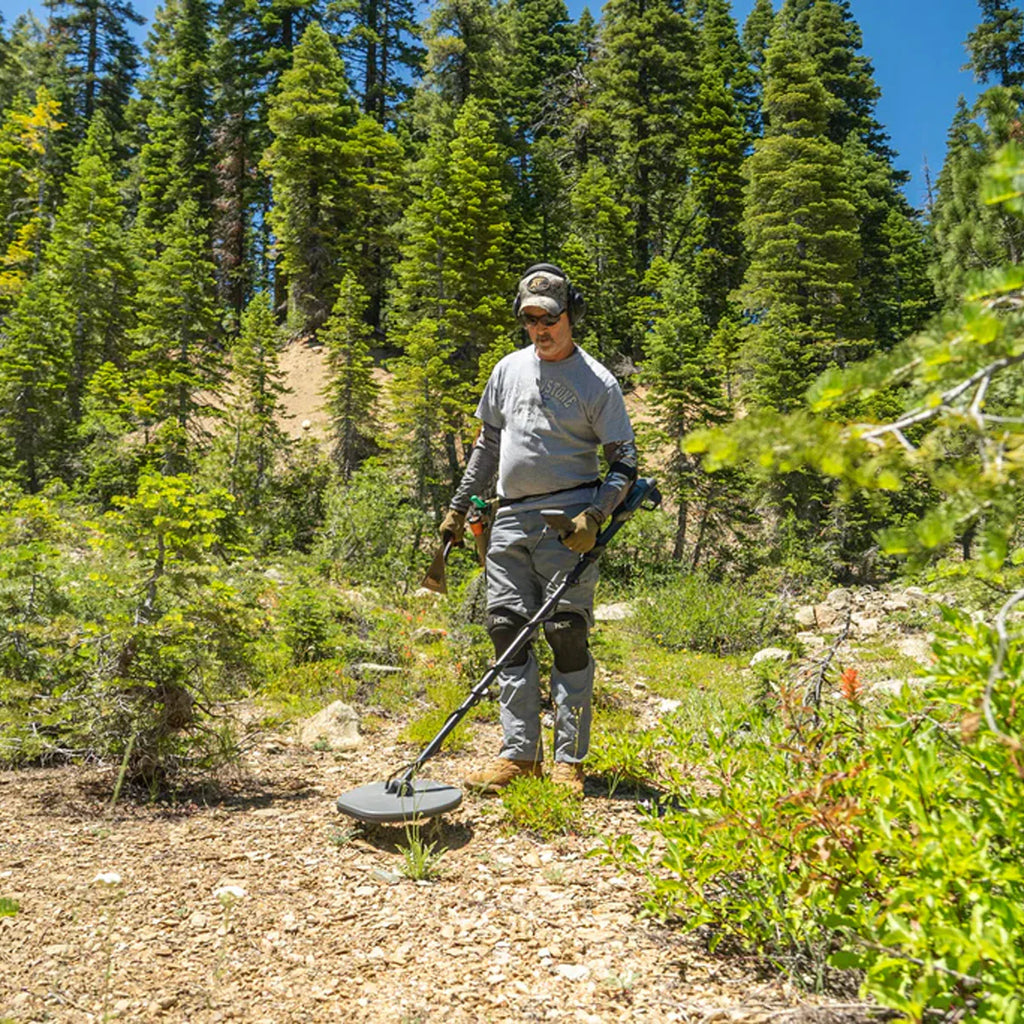
First, find a clean patch of ground. This is important because balancing over hidden metal can create a bad setting. Sweep the area lightly and choose a spot without a clear target. Second, hold the coil above the ground and activate the detector’s ground balance function. Third, pump the coil up and down while the detector reads the soil. Fourth, listen for the audio to flatten or watch the detector confirm the setting. Fifth, re-test over a known target if possible.
For manual metal detector ground balance, adjust the value until the coil produces minimal change as it moves toward and away from the ground. For automatic balance, follow the detector’s instructions and let the machine calculate. For tracking, begin in a clean area, then pay attention as the ground changes. Rebalance whenever the detector becomes noisy, target IDs jump, or you move from dry sand to wet sand, from mild soil to red clay, or from clean ground into black sand.
Detector Examples From Orient Detectors
Gold Stinger X6 is useful for users who want a flexible detector with several systems and ground balance support. It can serve gold prospectors and treasure hunters who need more than one workflow.
Gold Monster 2000 is a focused choice for small gold in manageable to moderately mineralized ground. It fits beginners who want simplified goldfield operation.
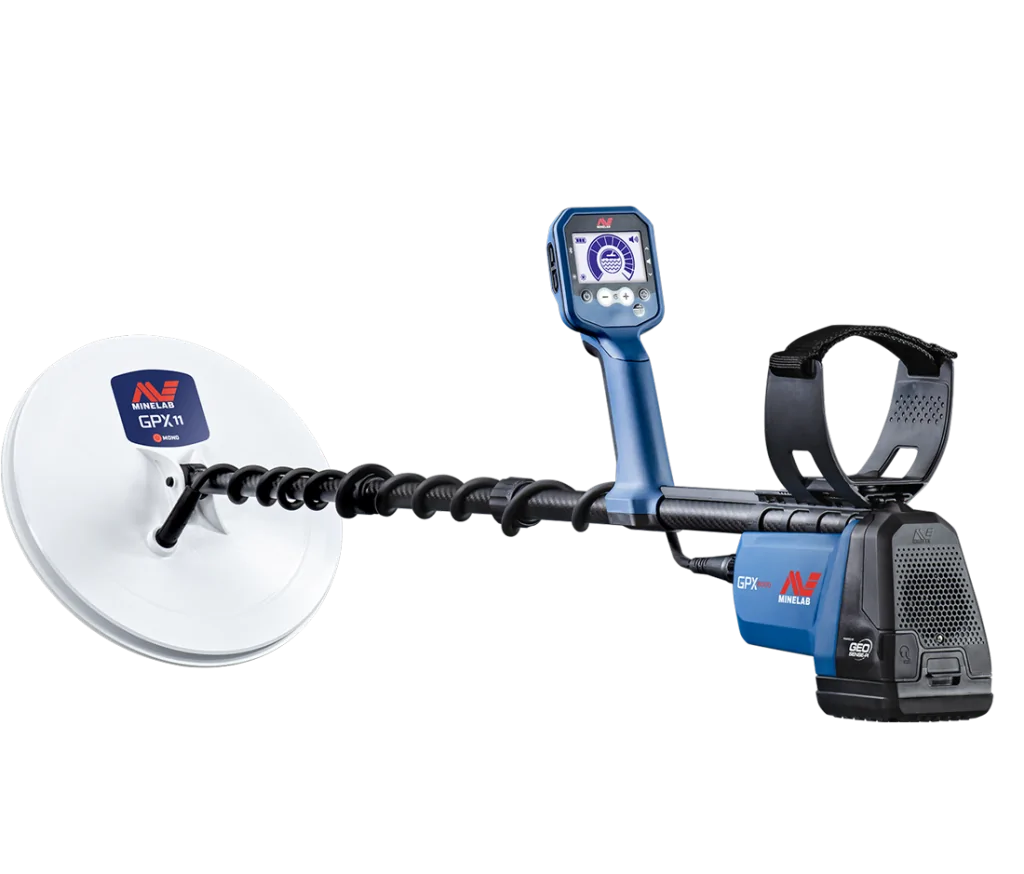
Garrett Axiom, GPX 6000, and GPZ 8000 are more appropriate when ground mineralization becomes severe and the user is serious about raw gold prospecting.
Common Ground Balance Mistakes
Balancing Over Metal
If you ground balance over a hidden target, the detector may learn the wrong response. Always check the area first.
Using One Setting All Day
Soil changes. A balance setting that works in one part of a site may be wrong 50 meters away.
Running Sensitivity Too High
High sensitivity sounds powerful, but unstable audio causes missed targets. The best setting is the highest stable setting.
Ignoring Wet Salt Sand
Beach detecting is not just normal ground balance. Wet salt sand often needs beach mode or multi-frequency salt handling.
Recommended Ground Balance Workflow for Beginners
A beginner-friendly metal detector ground balance workflow should be simple enough to repeat at every site. Start by turning on the detector away from vehicles, fences, reinforced concrete, phones, and large metal objects. Choose the search mode that matches your target, then reduce sensitivity if the detector is already unstable before balancing. Find a clean patch of ground and sweep it from several directions. If it produces no target-like signal, use that place for ground balance.
After balancing, do not immediately begin fast searching. Sweep the coil over the same clean ground and listen. A stable detector should not give constant sharp beeps over empty soil. If it still chatters, rebalance, lower sensitivity slightly, or change the coil if available. In goldfields, you can also test the machine on a small gold sample or a tiny low-conductive target to confirm that stability has not been achieved by making the detector too insensitive.
When moving through a site, treat changes in soil color, rock type, moisture, or sand texture as signs to check balance again. If the ground changes from pale sand to red clay, from dry soil to wet sand, or from gravel to black sand, your previous metal detector ground balance setting may no longer be ideal. A fast rebalance can save hours of noisy searching.
Ground Balance by Search Goal
| Search Goal | Balance Priority | Practical Advice |
|---|---|---|
| Small gold nuggets | Very high | Use accurate balance, stable threshold, and avoid excessive discrimination |
| Coins and jewelry | Medium to high | Balance for soil first, then use target ID and tones for decisions |
| Relics in old sites | High | Use a stable setting and smaller coil if soil and iron trash overlap |
| Wet beach hunting | High | Use beach mode or salt handling; rebalance when moving from dry to wet sand |
| Deep treasure search | High | Do not over-filter weak signals; use repeatable readings and scan confirmation |
When Ground Balance Cannot Solve the Problem
Sometimes a user adjusts metal detector ground balance correctly and the detector still struggles. This can happen in extreme mineralization, strong electromagnetic interference, dense iron trash, wet salt mixed with black sand, or ground filled with hot rocks. In those cases, the solution may be a different coil, a different search mode, lower sensitivity, a slower sweep speed, or a different detector technology.
For example, a VLF detector may be excellent for coins and jewelry but less suitable for severe goldfields. A pulse induction detector may handle mineralized ground better, but it may offer less target discrimination. A multi-system detector may provide additional ways to check a signal, but the user still needs stable technique. Ground balance is powerful, but it is one part of the whole detecting system.
How Sellers Should Ask About Ground Conditions
When a customer asks which detector to buy, a good seller should ask where the device will be used. Is the ground red clay, black sand, rocky desert, wet beach, farmland, volcanic soil, or mixed terrain? Is the target small raw gold, coins, jewelry, relics, or deep treasure? These questions matter because metal detector ground balance needs are different in each case.
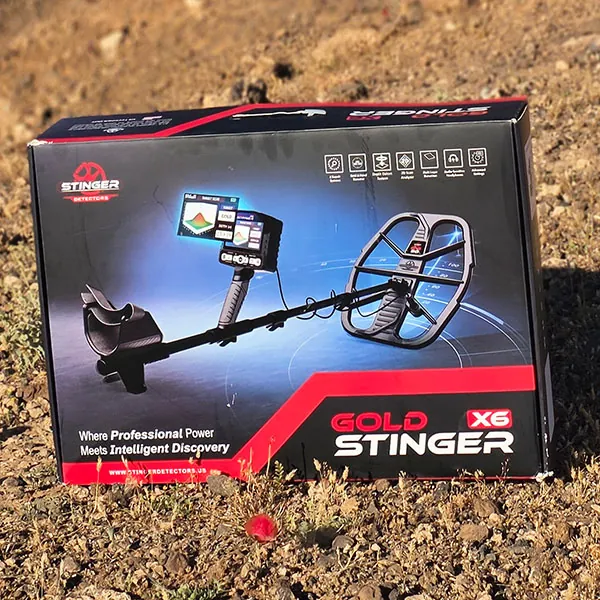
This is also useful for Orient Detectors product recommendations. A customer searching mild soil for coins may not need a professional goldfield detector. A customer searching mineralized gold areas may need Gold Monster 2000, Garrett Axiom, GPX 6000, or GPZ 8000 instead of a simple coin detector. A customer who wants mixed exploration may benefit from Gold Stinger X6 because it provides multiple search systems and more ways to verify targets.
FAQ
How often should I ground balance?
Balance at the start of the hunt and whenever soil changes, chatter increases, or target ID becomes unstable. Minelab advises balancing on clean ground away from metal.
Does ground balance improve depth?
It can help recover usable depth by reducing ground noise. It does not magically increase detector power, but it helps the detector hear targets more clearly.
Is automatic ground balance enough?
For many beginners and moderate soils, yes. For severe goldfields, manual or tracking options may be better.
Final Verdict
Metal detector ground balance is not a small advanced feature. It is one of the main reasons a detector performs well or poorly in real soil. If you detect in mild parks, automatic balance may be enough. If you hunt red clay, black sand, hot rocks, deserts, or goldfields, you need to understand the setting deeply. Choose a detector that matches your ground, not just your budget or the advertised depth.
External Sources
- Garrett – Ground Mineralization and Metal Detectors
- Garrett – Ground Balance Explained
- Minelab – Detecting in Mineralized Soils
- Minelab FAQ