Enhancing Your Metal Detecting Skills
Metal detecting skills is more than just a practice ; it’s an adventure that combines the thrill of the unknown with the joy of discovery. Whether you’re searching for ancient coins, lost jewelry, or historical artifacts, metal detecting offers a unique experience with every hunt. In this guide, we’ll walk you through everything you need to know to take your metal detecting skills to the next level, from mastering your equipment to finding the best locations to hunt.
Is Metal Detecting Still Worth It?
Absolutely! It is fun. It’s exciting, it’s a way to get out of the house, and it encourages wonder.
Another angle – can you make a lot of money metal detecting? Is metal detecting still a lucrative hobby? The answer is yes and no. While it’s possible to find valuable items such as gold and silver coins, most of what you’ll find will be of sentimental value rather than monetary.
However, this doesn’t mean that metal detecting isn’t worth it. The thrill of the hunt and the joy of discovering something new is priceless. Additionally, the items you find can have historical significance and may be worth more than their weight in gold to museums and collectors.
It’s important to remember that metal detecting shouldn’t be done solely for financial gain. It’s a hobby that should be enjoyed for the adventure and excitement it brings.
Practice Metal Detecting Skills for Beginners
If you’re new to metal detecting or have been off the beat for some time, it’s important to familiarize yourself with some basic techniques to maximize your chances of success. Start by learning how to properly swing your metal detector. Maintain a steady and consistent motion, ensuring that you cover the entire search area. Keep the coil close to the ground, but without touching it, to ensure optimal depth penetration. Keep the coil as horizontal (parallel to the ground) as possible.
Next, learn to interpret the signals produced by your metal detector. Different metals and objects will produce varying signals, so it’s essential to understand the audio and visual cues your detector provides. Read the manual and look for YouTube videos that pertain to your model. Practice identifying and discriminating between different types of signals – this will help you distinguish valuable targets from trash.
Finally, develop a systematic search pattern. Start by searching in a grid-like pattern, covering one section at a time. This ensures that you don’t miss any areas and increases your chances of finding hidden treasures. Remember to overlap your swings slightly to ensure thorough coverage.
Understanding the Basics
Essential Equipment for Metal detecting skills
The main tool, of course, is the metal detector. However, having a good digging tool, headphones, a pinpointer, and a finds bag can make your detecting experience more efficient and enjoyable.
How Metal Detectors Work
Metal detectors emit an electromagnetic field that reacts to metals in the ground. When the detector’s coil passes over metal, it sends a signal to your control box, alerting you with a sound or visual signal. The key to success is learning to interpret these signals correctly.
Choosing the Right Detector for You
Factors to Consider (Budget, Experience, Purpose)
Choosing the right detector comes down to what you’re hoping to find, your experience level, and your budget. Beginners may prefer a simpler, cheaper model, while experienced hunters might invest in higher-end equipment.
Best Metal Detectors for Beginners
Detectors like the Garrett Ace series or Minelab Vanquish are excellent entry-level models. They’re user-friendly and offer great value for money.
Best Metal Detectors for Advanced Users
For the more advanced detectorist, machines like the Minelab Equinox or Gold Star 3D Scanner provide deeper detection, more detailed settings, and greater accuracy.
Mastering the Settings of Your Metal Detector
Sensitivity Settings
Adjusting sensitivity helps you detect smaller items but may lead to more false signals. Finding the right balance is essential, especially in trashy areas.
Ground Balance Adjustments
Ground balance helps your detector ignore minerals in the soil, allowing it to focus on actual targets. Most modern detectors have automatic ground balancing, but learning to adjust it manually can improve your finds.
Discrimination and Notching
Discrimination helps you filter out unwanted items, such as iron or pull tabs, while notching allows you to focus on specific types of metals. Mastering these settings helps you avoid digging trash.
Best Techniques for Metal Detecting
Proper Sweeping Techniques
A good sweeping technique involves moving the detector in slow, controlled swings close to the ground. Keeping the coil level ensures that you’re maximizing detection depth.
Grid Searching Methods
Using a grid search pattern helps ensure that you thoroughly cover an area. By dividing your search area into smaller sections, you can avoid missing any potential targets.
How to Handle Different Types of Terrain
Different terrains require different approaches. On the beach, you’ll need to adjust for mineralization, while in wooded areas, avoiding obstacles becomes key.
Understanding Signals and Target Identification
How to Interpret the Sounds of Your Detector
Different metals emit different signals. Learning to identify high tones for silver and low tones for iron can save you from digging unnecessary holes.
Visual Indicators on the Display
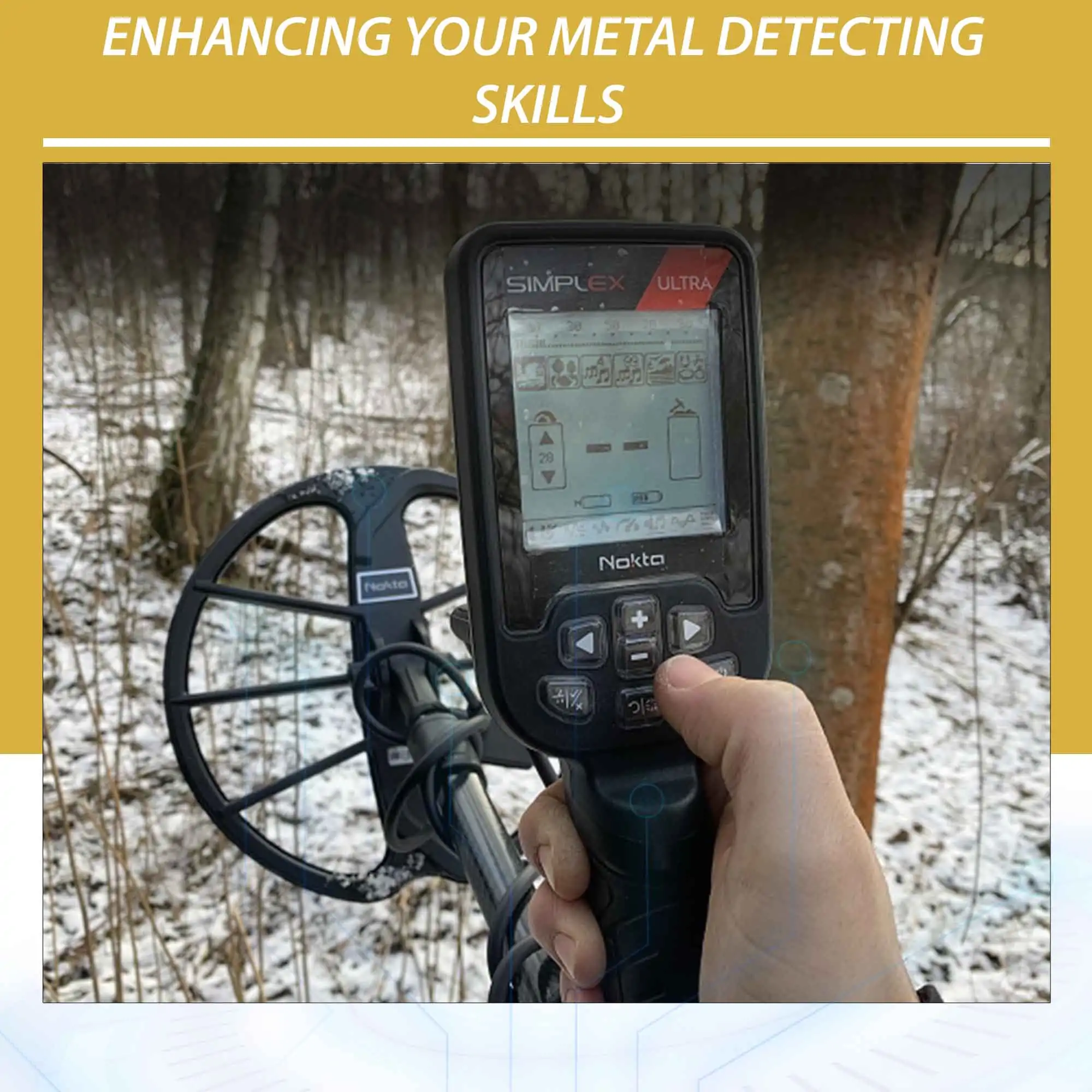
Most detectors also have a display that provides target depth and type information. Becoming familiar with these readings will make your detecting more efficient.
Avoiding False Signals
Environmental factors or overly high sensitivity settings can lead to false signals. Fine-tuning your detector can help reduce this issue.
Best Places to Go Metal Detecting
Beaches and Shorelines
Beaches are prime spots for lost jewelry and coins, especially in areas where people frequently gather.
Parks and Playgrounds
Public parks are great for finding modern coins and jewelry. Be sure to check the regulations before detecting in public spaces.
Historical Sites
If you’re after older relics, detecting near historical sites can yield impressive finds. Just be sure you have permission, as these areas are often protected by law.
Permission and Legal Considerations
Always ensure that you have permission to detect in the area you’re searching, whether it’s private property or public land. Some areas require permits.
Weather and Environmental Factors
Metal Detecting in Wet vs. Dry Conditions
Moist soil can improve detection depth, while dry ground can make it harder for your detector to pick up signals.
How Weather Affects Signals
Cold weather may drain your detector’s batteries faster, while wet conditions can enhance conductivity and signal strength.
Importance of Sun Protection and Hydration
Long hours in the sun require sun protection and staying hydrated, especially during summer hunts.
Advanced Techniques for Experienced Hunters
Deep-Seeking Methods
More advanced detectors can reach deeper targets. Adjusting your detector to ignore surface finds will help focus on deeper, potentially older items.
Detecting in Trashy Areas
When detecting in areas with a lot of trash, using higher discrimination settings and a smaller coil can help you isolate better targets.
Night Metal Detecting Skills
For a unique experience, consider detecting at night when beaches or parks are less crowded. Just be sure to have a good
Avoid These Common Mistakes in Metal Detecting
While metal detecting can be a rewarding hobby, it is not without its challenges. Here are some common mistakes to avoid to increase your chances of success:
- Rushing: Metal detecting skills requires patience and persistence. Avoid rushing through a search area, as this can cause you to miss valuable targets. Take your time and thoroughly cover each section.
- Neglecting research: Researching the history of an area is crucial for finding valuable items. Neglecting this step can result in wasted time and missed opportunities. Take the time to learn about the area you plan to search.
- Ignoring signals: It’s important to pay attention to the signals produced by your metal detector. Ignoring signals or dismissing them as trash can cause you to overlook valuable finds. Take the time to investigate each signal and dig when necessary.
- Neglecting maintenance: Regularly maintain and calibrate your metal detector to ensure optimal performance. Neglecting this step can result in false signals or decreased detection depth. Keep fresh batteries on hand when you go out detecting. Check your coil cover for cracks and get them repaired.
- Giving up too soon: Metal detecting skills is a hobby that requires perseverance. Don’t get discouraged by a few unsuccessful outings. Keep practicing, learning, and exploring new areas to improve your metal detecting skills and increase your chances of finding valuable items.