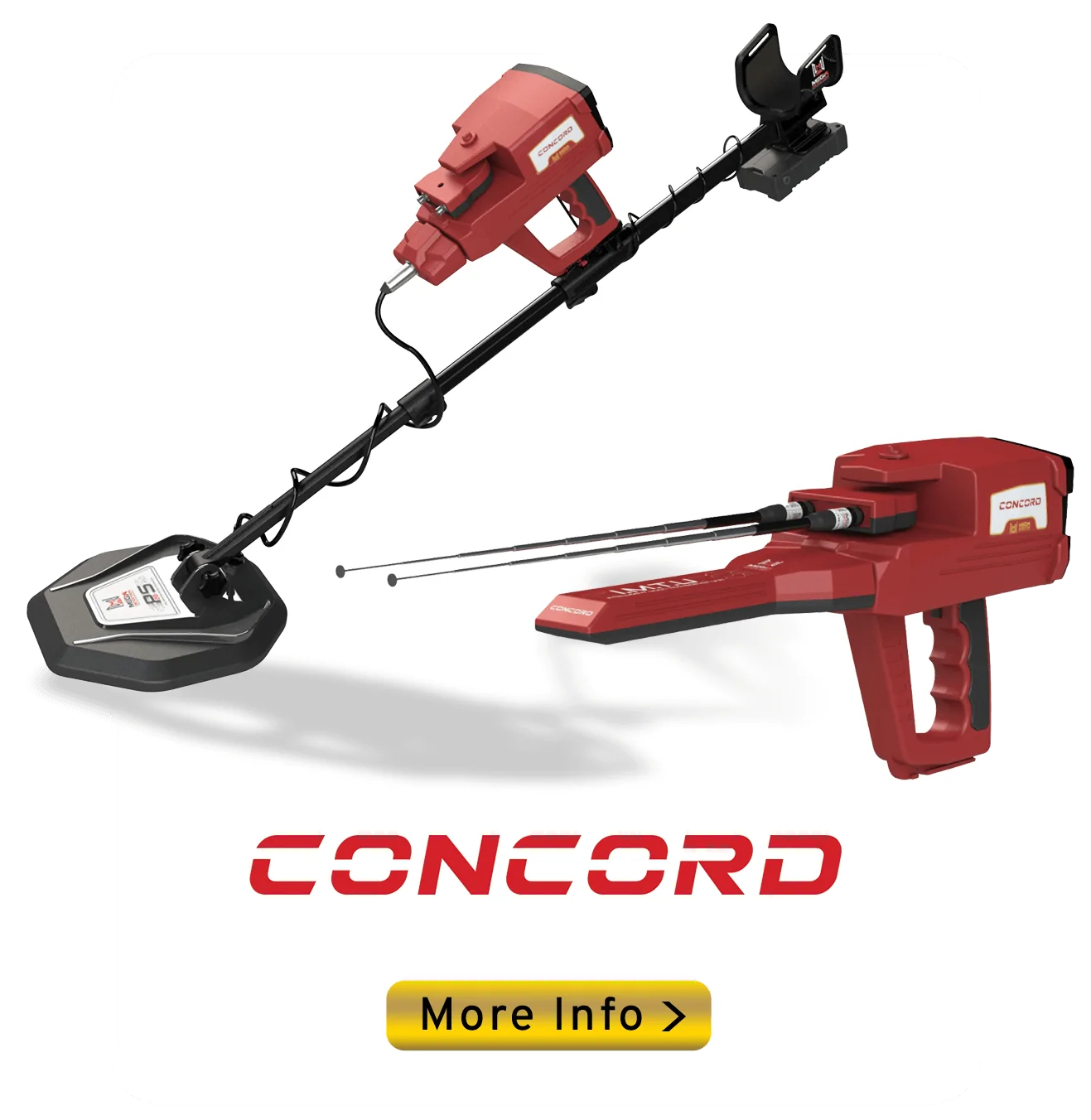

Metal Detecting in Various Soil Types
Metal detecting is an exciting hobby, offering the possibility of unearthing hidden treasures, historical artifacts, and unique finds. But the success of your metal detecting adventures can depend significantly on the type of soil you’re working with. Different soils can either help or hinder your detector’s ability to find buried items, making it essential to understand how soil conditions affect metal detection.
Understanding Soil Types for Metal Detecting
Before you begin, it’s important to grasp the basics of soil composition. Soil types vary depending on their location, moisture content, and mineral composition, and these factors influence how well your detector can pick up signals. The common soil types include clay, sand, loam, and mineralized soils. Each presents its own set of challenges and advantages when metal detecting.
Metal Detecting in Clay Soils
Characteristics of Clay Soils
Clay soils are dense and compact, making it tough for metal detectors to penetrate deeply. The tightly packed particles can also trap moisture, which can influence how metal objects corrode over time.
Challenges of Detecting in Clay
One of the biggest hurdles in clay soils is the depth limitation. Your detector might struggle to reach deeper targets, and signals can become distorted, leading to more false readings. Additionally, clay can often be heavy and sticky when wet, making digging difficult.
Tips for Better Detection in Clay
- Use a detector with strong ground balancing capabilities to adjust for the density.
- Slow down your sweep to ensure your detector has time to process signals.
- Consider using a pulse induction detector, which works well in mineral-rich soils like clay.
Metal Detecting in Sandy Soils
Advantages of Sandy Soil for Metal Detecting
Sandy soils are often easier to work with, as they provide little resistance to metal detectors. Objects tend to settle quickly in the sand, making them more accessible, especially on beaches or near water bodies.
Common Finds in Sandy Areas
Sandy soils, especially near beaches, are prime locations for finding jewelry, coins, and other small metallic items that people have dropped. Historical relics can also be discovered in desert-like sandy areas.
Best Techniques for Sandy Soils
- Use a wide sweep to cover more ground quickly.
- Increase your sensitivity to pick up on smaller items that may be buried shallowly.
- Look for areas where sand accumulates, such as near rocks or vegetation, as items often get trapped there.
Metal Detecting in Loamy Soils
What is Loam Soil?
Loam is a mixture of sand, silt, and clay, making it a balanced soil type that holds moisture well but isn’t overly dense. This composition allows for excellent metal detecting conditions as it’s neither too compact nor too loose.
Pros and Cons of Detecting in Loamy Soils
- Pros: Loam soils tend to be very detector-friendly, allowing for deeper penetration and fewer false signals.
- Cons: In areas with heavy rainfall, loamy soils can become waterlogged, making it more difficult to dig.
Detecting in Rocky or Stony Ground
Navigating Rocky Terrain with Detectors
Rocky soils can be tricky, as metal objects might be obscured by stones or buried at odd angles. However, they can also be rich in historical finds, particularly in areas with long-standing settlements.
Adjusting Settings for Hard Ground
- Lower your sensitivity to avoid interference from mineral-rich rocks.
- Use a smaller coil to maneuver between rocks more easily.
- Take extra care when digging to avoid damaging finds hidden under stones.
Detecting in Wet and Moist Soil
How Moisture Affects Metal Detection
Wet soil often provides better conductivity, making it easier for metal detectors to pick up signals from buried objects. However, moisture can also increase the chances of detecting trash or modern metallic debris.
Special Equipment for Wet Conditions
If you’re detecting near water or in consistently moist areas, consider using waterproof or water-resistant detectors. Additionally, ground balancing is key to avoiding false readings caused by excess moisture.
Detecting in Dry Soil Conditions
Dry Soil Detection Tips
Dry soil can make metal detecting more difficult, as signals don’t travel as easily through dry, loose dirt. This can result in weak signals and increased difficulty in locating smaller objects.
How to Avoid False Positives in Dry Conditions
- Lower the sensitivity of your detector to minimize interference from dry air pockets.
- Increase the depth setting to ensure you’re detecting buried objects more effectively.
Metal Detecting in Mineralized Soil
Understanding Mineralized Soils
Mineralized soil contains high levels of iron and other metals, which can cause interference with metal detectors. These soils are commonly found in areas with volcanic activity or high iron content.
How to Fine-Tune Your Detector
- Use a metal detector with ground balancing features that can filter out the minerals.
- Pulse induction detectors are highly recommended for mineralized soils, as they’re less likely to be affected by mineral interference.
Using Metal Detectors in Urban Soil
Detecting in Highly Disturbed Areas
Urban areas are often filled with debris, construction materials, and modern waste, which can make it challenging to find historical objects. However, urban soil also holds the potential for valuable finds like old coins, relics, and tools.
Managing Interference from Trash and Debris
- Use a detector with discrimination settings to filter out common trash items like bottle caps or foil.
- Focus on areas with less human activity, such as parks or historical sites.
Best Metal Detectors for Various Soil Conditions
When choosing a metal detector for different soil conditions, it’s essential to consider features like ground balancing, sensitivity adjustments, and waterproofing. Here are a few top detectors for specific conditions:
- Clay Soils: Garrett AT Pro
- Sandy Soils: Minelab Equinox 800
- Mineralized Soils: Fisher F44
Tips for Adjusting Sensitivity and Ground Balance
Importance of Sensitivity Settings
High sensitivity can help you detect smaller objects, but it also increases the chances of false signals. In contrast, lower sensitivity works better in trash-heavy or mineralized soils.
How Ground Balance Helps in Tough Soil Conditions
Ground balancing adjusts your detector to ignore the mineral content in soil, reducing interference and improving accuracy.
Common Challenges in Different Soil Conditions
Metal detecting comes with its challenges, such as false signals caused by mineralized soil or interference from modern trash in urban areas. Learning to adjust your detector settings and understanding the soil you’re working with can help overcome these obstacles.
How Weather Impacts Soil and Metal Detecting
The weather plays a crucial role in how soil behaves. Rain can make soil more conductive, enhancing detection, while dry conditions can make it harder to get accurate readings. Cold, frozen ground can also pose challenges for digging.
Conclusion
Metal detecting in various soil conditions requires understanding the characteristics of each type of soil and adjusting your technique and equipment accordingly. Whether you’re detecting in sandy beaches, clay-rich fields, or urban environments, knowing how to adapt to the soil can significantly improve your chances of success.
FAQs
- What is the best soil type for metal detecting?
Sandy soils are often the easiest to detect in, offering less resistance and shallow targets. - How do I adjust my metal detector for different soils?
Use ground balancing and sensitivity settings to adapt to the specific soil conditions you’re detecting in. - Can metal detecting work in snowy conditions?
Yes, but frozen ground can make it difficult to dig. Moisture from melting snow may improve signal strength. - What type of detector is best for highly mineralized soils?
A pulse induction detector works best for mineralized soils due to its ability to ignore mineral interference. - Is it harder to detect metal in urban areas?
Urban areas can be more challenging due to interference from trash and debris, but they can also yield valuable finds.