Metal Detector Depth Chart: What Buyers Should Really Know
A metal detector depth chart can be helpful, but it can also mislead buyers if it is treated like a fixed promise. Many new buyers ask one question before choosing a detector: “How deep can it detect?” That question sounds simple, but real detection depth depends on target size, metal type, soil mineralization, coil size, search technology, operator settings, and the level of confirmation required before digging. A detector may identify a coin at one depth, hear a large iron object much deeper, and show a very different manufacturer depth rating for a long-range or 3D ground scanning system.
This guide explains how to read a metal detector depth chart in a practical way. It focuses on devices available through Orient Detectors, including beginner gold detectors, pulse induction machines, deep treasure detectors, 3D ground scanners, and multi-system devices. The goal is not to create unrealistic expectations. The goal is to help buyers understand what depth numbers really mean and how to choose the right device for coins, raw gold, relics, treasure boxes, cavities, or deep buried targets.
The most important rule is this: depth is not one number. A “maximum depth” claim usually refers to ideal conditions, larger targets, or a specific detection system. A practical working depth for small gold or coins is usually much lower. A professional buyer should compare detectors by target type, ground conditions, confirmation method, and workflow rather than by the largest number in a product description.
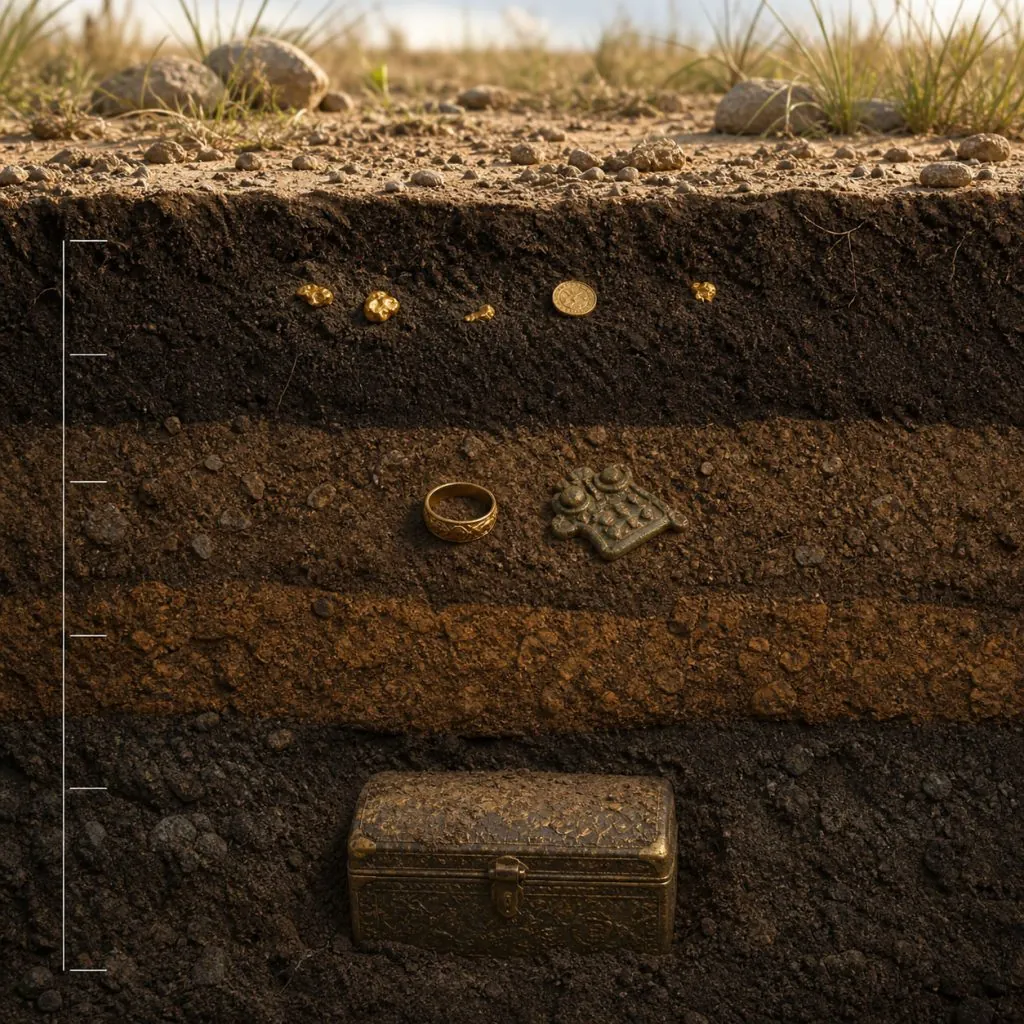
Why Metal Detector Depth Is Often Misunderstood
Detection depth is misunderstood because people compare different technologies as if they are doing the same job. A handheld VLF detector, a pulse induction gold detector, a 3D ground scanner, and a long-range locator do not measure depth in the same way. A coil detector responds directly to conductive metal under the coil. A 3D ground scanner maps anomalies and ground changes. A long-range locator helps indicate a possible direction or search zone. A multi-system detector may include several of these approaches in one device.
This is why a metal detector depth chart must be organized by device category. If a beginner sees a small nugget detector with a practical depth measured in centimeters and a 3D scanner with listed depth measured in meters, the comparison can look unfair. But the devices are designed for different targets. The nugget detector may be excellent for tiny raw gold that a deep scanner would not identify as a clean coil signal. The 3D scanner may be useful for large buried objects, cavities, rooms, or treasure containers that are impossible to evaluate with a simple coin detector.
Depth also changes because soil is not neutral. Mineralized ground, wet salt, hot rocks, clay, basalt, and iron contamination can reduce stability and detection performance. Official detector education from manufacturers such as Minelab explains that detector performance is affected by electromagnetic response, ground conditions, target characteristics, and search technology. In real field conditions, the detector that stays stable and gives repeatable signals is often more valuable than the detector with the biggest advertised depth.
Metal Detector Depth Chart by Technology Type
The following metal detector depth chart gives a practical buyer-focused view. It is not a laboratory guarantee. It shows how different detector types are usually understood in the field, and it separates small-target depth from larger-target or system-listed depth.
| Detector Type | Best For | Typical Practical Depth | What Buyers Should Know |
|---|---|---|---|
| Beginner VLF / Multi-Frequency Detectors | Coins, jewelry, shallow relics, beginner field use | Small targets often shallow to moderate depth | Depth improves with target size and clean soil, but small coins and nuggets are limited by physics and ground noise. |
| Gold VLF Detectors | Small natural gold, quartz veins, shallow goldfields | Excellent sensitivity to small gold, not maximum depth | High sensitivity is more important than extreme depth for tiny nuggets. |
| Pulse Induction Gold Detectors | Mineralized soil, deeper nuggets, professional goldfields | Better depth and stability than VLF in difficult ground | PI detectors usually handle mineralized ground better, but target size still controls realistic depth. |
| Deep Seeking Two-Box / Large Coil Systems | Large buried metal objects and caches | Deeper on large targets, weak for tiny targets | These systems are built for volume and mass, not small coin separation. |
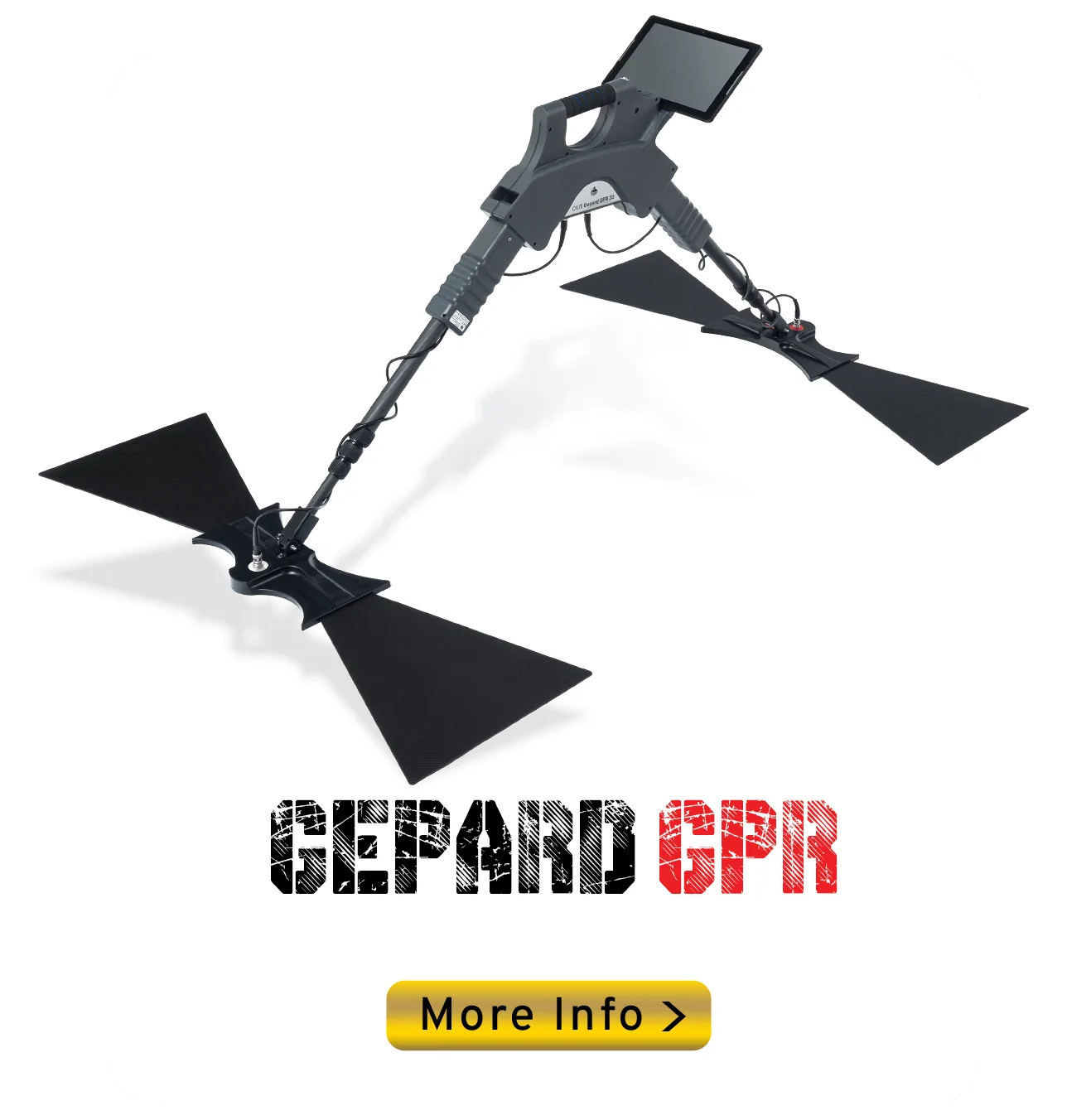
| 3D Ground Scanners | Buried structures, cavities, rooms, treasure boxes, anomalies | Depth may be listed in meters depending on system and target size | They map anomalies and require interpretation; they are not the same as a coil beep. |
| Long Range Locators | Wide-area scouting and target direction | Listed as front range and depth, not coil detection depth | Use for narrowing an area, then confirm with ground scan or coil detection. |
| Multi-System Detectors | Professional treasure hunting with layered confirmation | Depends on system used: LRL, 3D, PI, live scan, pinpointer | Best for buyers who need scouting, imaging, and confirmation in one platform. |
Depth Chart for Common Buyer Goals
A better way to use a metal detector depth chart is to start with the target, not the device. Buyers searching for small raw gold need a different tool than buyers searching for buried treasure boxes. A detector that is excellent for one target can be the wrong choice for another.
| Search Goal | Recommended Device Style | Suitable Orient Detectors Examples | Depth Expectation |
|---|---|---|---|
| Small raw gold nuggets | Gold VLF or pulse induction detector | Gold Monster 2000, GPX 6000, Garrett Axiom | Realistic depth depends heavily on nugget size and mineralization. |
| Deeper natural gold in difficult soil | Advanced pulse induction or ZVT-style gold detector | GPZ 8000, GPX 6000, Garrett Axiom | Better depth on larger nuggets and better stability in mineralized ground. |
| Coins and jewelry | VLF or simultaneous multi-frequency detector | The Legend 2, Manticore, Garrett Vortex | Moderate depth with better target ID and separation. |
| Large buried treasure or containers | 3D ground scanner or multi-system detector | Infinity Max Pro, Mega Scan Pro, Gold Star 3D Scanner | Depth ratings may reach many meters for larger targets and anomalies. |
| Cavities, tunnels, rooms, and voids | 3D scanner, geophysical system, tunnel scan, live scan | Infinity Max Pro, Mega Scan Pro, Gold Vision | Requires scanning discipline and interpretation, not just a depth number. |
| Wide-area treasure search | Long range locator or multi-system detector with LRL | Infinity Max Pro, Mega Scan Pro, Gold Vision, Concord, Gold Legend | Use range indications for scouting, then confirm with another system. |
Device Depth Comparison from Orient Detectors
The table below uses device information from Orient Detectors product pages and organizes it by buyer use. These figures should be read carefully. Listed maximum depth is not the same as guaranteed depth on every target. A large metal mass or cavity is easier to detect at depth than a tiny coin or small nugget. A professional metal detector depth chart should always include this distinction.
| Device | Device Category | Listed / Practical Depth Context | Best Buyer Fit |
|---|---|---|---|
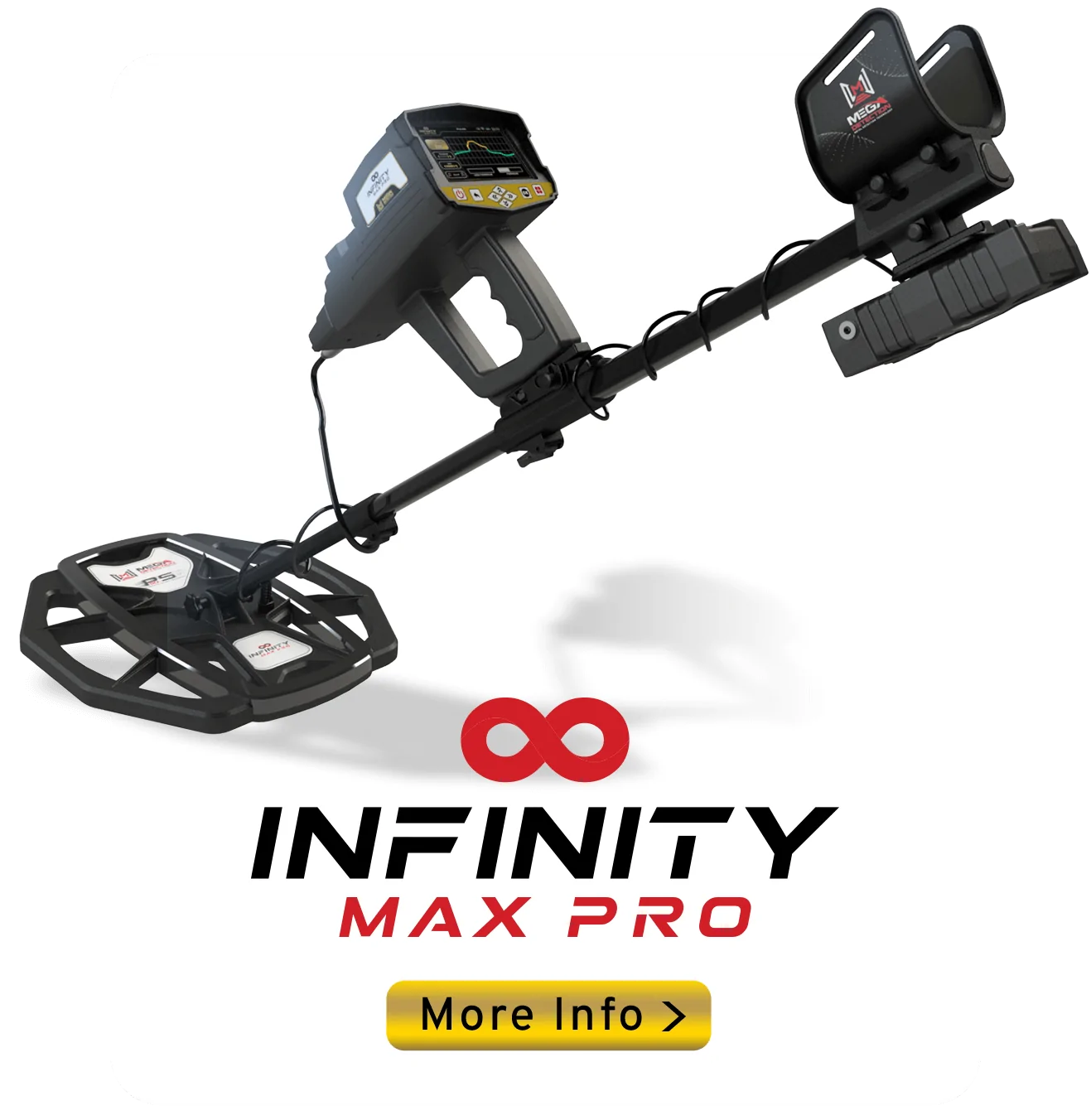
| Infinity Max Pro | Multi-system detector and 3D scanner | Orient Detectors lists up to 50 m depth and 3000 m front range depending on system. | Professional treasure hunters who need LRL, 3D scan, PI, pinpointer, geophysical, and tunnel scan tools. |
| Mega Scan Pro | Multi-system treasure detector | Listed up to 50 m depth and 3000 m front range for long-range and scanning workflows. | Serious users searching for buried treasures, cavities, tunnels, and large targets. |
| Gold Star 3D Scanner | 3D scanner and multi-system detector | Listed up to 50 m depth and 3000 m front range. | Users who want long range plus visual analysis and 3D scanning. |
| Gold Vision | 3D scanner and long-range detector | Listed up to 40 m depth and 3000 m front range. | Buyers who want a portable long-range and 3D scanning device. |
| Gold Stinger X6 | Multi-system gold and metal detector | Useful for prospecting, target scan, ion, bionic, and related search modes; listed depth depends on target and system. | Gold prospectors who want a versatile device rather than a single-purpose coil detector. |
| GPZ 8000 | Advanced goldfield detector | Best judged by nugget size and mineralized ground performance, not a single fixed depth. | Professional natural gold prospecting in difficult soil. |
| GPX 6000 | Pulse induction gold detector | Strong depth and stability for goldfields, especially compared with VLF in mineralized ground. | Serious nugget hunters who need PI performance. |
| Gold Monster 2000 | Gold VLF detector | Excellent small gold sensitivity; not designed to be the deepest treasure machine. | Beginners and intermediate users searching for small raw gold. |
| Nokta Magnetar 9000 | Professional deep seeking detector | Designed for deeper targets and professional search scenarios. | Buyers focused on deep buried metal and serious field work. |
| The Legend 2 | Multi-frequency metal detector | Practical depth for coins, jewelry, relics, and general detecting depends on coil and soil. | General-purpose detecting with good target ID and versatility. |
What Really Controls Detection Depth?
1. Target Size
Target size is one of the biggest depth factors. A large metal box, jar of coins, or iron object can be detected much deeper than a small coin or tiny gold nugget. This is why a metal detector depth chart should never use one number for all targets. A detector may detect a large target at impressive depth while still having a much smaller practical depth on small gold.
2. Target Metal and Shape
Metal type affects response. Gold, silver, copper, iron, bronze, and aluminum can produce different signal behavior. Shape matters too. A flat coin, compact nugget, chain, ring, box, and scattered group of objects do not respond the same way. Thin chains and irregular nuggets can be difficult even when they are not very deep.
3. Soil Mineralization
Mineralized soil reduces detector stability and can hide targets. Hot rocks, basalt, iron-rich soil, black sand, and salty wet ground can make detection harder. This is why serious goldfield buyers often choose pulse induction detectors such as GPX 6000 or Garrett Axiom for difficult soil, while VLF detectors may be better for small gold in milder ground.
4. Coil Size and Coil Type
Larger coils can detect larger targets deeper, but they may lose sensitivity to tiny targets and become harder to use in trashy or rocky areas. Smaller coils improve separation and sensitivity to small targets but usually reduce maximum depth on large objects. For coin hunting, coil control and separation can matter more than raw depth. For large treasure targets, bigger coils or specialized deep seeking systems may be more relevant.
5. Frequency and Search Technology
High-frequency VLF detectors are often sensitive to small gold. Multi-frequency detectors can perform well across different targets and soil types. Pulse induction machines are often better in mineralized ground and for deeper goldfield work. 3D ground scanners and long-range systems use different workflows entirely. A proper metal detector depth chart must identify the technology before comparing depth.
6. User Settings and Skill
Sensitivity, ground balance, threshold, discrimination, recovery speed, and sweep speed can all affect performance. A skilled operator using a stable setup will usually outperform a beginner using maximum sensitivity in noisy ground. Maximum settings do not always mean maximum real depth. Stable repeatable signals matter more than loud unstable signals.
How to Read Manufacturer Depth Numbers
Manufacturer depth numbers are useful, but they must be read in context. A product page may list maximum depth for a system, especially for 3D scanners, long-range locators, and professional treasure detectors. That number usually does not mean the device will detect every small item at that depth. It may refer to large targets, ideal soil, specific modes, or anomaly detection rather than coil-based target ID.
For example, multi-system devices such as Infinity Max Pro, Mega Scan Pro, Gold Star 3D Scanner, and Gold Vision can include long-range locating, ground scanning, imaging, pinpointer, ionic, bionic, or pulse-related tools. Their listed depth and range belong to the system family being used. A long-range front range is not the same as a coil detector depth. A 3D scan anomaly is not the same as a clean coin ID. This is not a weakness; it is simply a different workflow.
Buyers should ask four questions when reading any depth claim:
- What target size is the depth number based on?
- Is the number for coil detection, 3D scan, long-range locating, or cavity detection?
- What soil conditions are assumed?
- Does the device provide a confirmation method before digging?
Best Devices by Depth Scenario
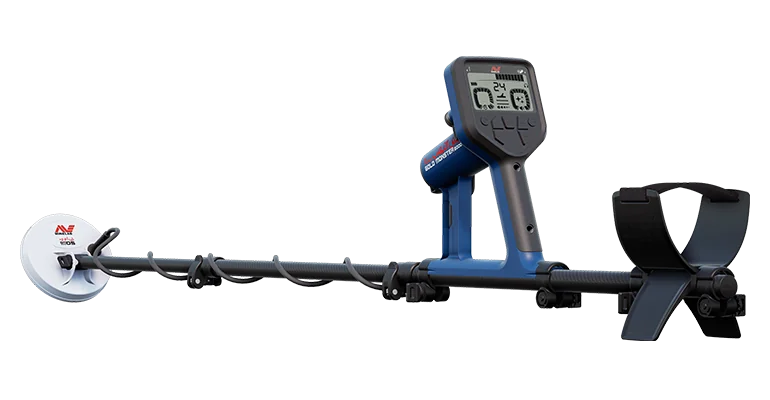
Best for Small Gold Near the Surface: Gold Monster 2000
Gold Monster 2000 is best understood as a small-gold sensitivity device. It is not the winner if the only question is maximum depth, but it is one of the right choices for buyers who want a practical gold detector for small nuggets, beginner prospecting, and natural gold search. In a metal detector depth chart, it belongs in the small-gold category, not the deep treasure category.
Best for Mineralized Goldfields: GPX 6000 and Garrett Axiom
GPX 6000 and Garrett Axiom are more suitable when mineralized ground makes VLF detection unstable. Pulse induction machines are often preferred by serious nugget hunters because they handle difficult ground better and can reach larger gold targets at better depth. They still do not make tiny nuggets detectable at impossible depths. The target must have enough mass to create a usable response.
Best for Professional Natural Gold: GPZ 8000
GPZ 8000 is positioned for professional gold prospecting where the buyer wants advanced goldfield performance. It is a better fit for natural gold than a long-range treasure locator because it is designed around direct goldfield detection. Buyers interested in gold nuggets should compare GPZ 8000 with GPX 6000 and Garrett Axiom based on terrain, budget, soil, and target size.

Best for Deep Treasure Workflow: Infinity Max Pro
Infinity Max Pro is the strongest choice when the buyer needs more than one system. Its value is not just listed depth. Its value is workflow: long-range scouting, 3D ground scan, live scan, pulse induction, geophysical, pinpointer, and tunnel scan tools. For large buried treasure, cavities, and professional exploration, a multi-system detector can be more useful than a single-purpose device.
Best Balanced Treasure Scanner: Mega Scan Pro
Mega Scan Pro is a strong option for buyers who want long-range systems and ground scan in a more focused package. It fits users searching for buried treasures, tunnels, cavities, old metal objects, and larger targets. In a buyer’s depth chart, Mega Scan Pro belongs in the deep treasure and scanning category rather than the small nugget category.
Best Portable 3D and Long Range Option: Gold Vision
Gold Vision is useful for buyers who want 3D Ground Scan, Long Range, Smart Depth, Ionic, and Bionic systems in a portable device. It is a practical choice when the buyer wants deeper treasure search but does not want the largest professional platform. Its depth value is best understood in relation to larger buried targets, anomalies, cavities, and scan interpretation.

Best General Detector Depth: The Legend 2, Manticore, and Garrett Vortex
For coins, jewelry, parks, fields, relics, and mixed targets, devices such as The Legend 2, Manticore, and Garrett Vortex are more practical than large deep scanners. They may not show spectacular depth numbers, but they provide target ID, discrimination, recovery speed, and everyday usability.
Practical Depth Expectations by Target Type
Here is a realistic way to think about depth before buying:
| Target Type | Depth Reality | Best Device Direction |
|---|---|---|
| Tiny gold flakes and micro nuggets | Very limited depth; sensitivity matters more than deep range. | Gold Monster 2000 or dedicated gold VLF. |
| Small to medium nuggets | Better depth with PI or advanced goldfield detectors, especially in mineralized soil. | GPX 6000, GPZ 8000, Garrett Axiom. |
| Coins and jewelry | Moderate depth, strongly affected by soil, orientation, and trash. | The Legend 2, Manticore, Garrett Vortex. |
| Large relics and buried metal objects | Can be detected deeper than coins because mass is larger. | Deep seeking detector, PI, or multi-system scanner. |
| Treasure boxes and caches | Potentially deeper, but confirmation is essential. | Infinity Max Pro, Mega Scan Pro, Gold Star 3D Scanner. |
| Cavities, rooms, and tunnels | Not a normal metal signal; requires scanning and interpretation. | Infinity Max Pro, Mega Scan Pro, Gold Vision. |
Depth vs Accuracy: The Trade-Off Buyers Forget
Greater depth is not useful if the detector cannot identify or confirm the target. A deep unstable signal can waste time. A shallower but repeatable signal may be more valuable. This is especially true in trashy soil, old settlements, and mineralized goldfields. When buyers only chase maximum depth, they may choose a device that is too complex, too sensitive to interference, or wrong for their target.
Accuracy means repeatability, target ID quality, ground balance stability, and confirmation. For coin hunters, target separation and discrimination are critical. For gold prospectors, small target sensitivity and ground handling are critical. For treasure hunters, scanning workflow and anomaly confirmation are critical. A useful metal detector depth chart must show the trade-off between raw depth and reliable interpretation.
How Buyers Should Choose Based on Depth
Start by defining the target. If you want small natural gold, choose a gold detector that is proven for nuggets. If you want deep buried treasure, choose a 3D scanner or multi-system detector. If you want coins and jewelry, choose a VLF or multi-frequency detector with good target ID. If you want to scout wide land before detailed scanning, consider a long-range system, but plan to confirm with another method.
Then define the ground. Mild soil gives better results for many detectors. Mineralized soil requires better ground balance and often favors pulse induction. Trashy soil requires recovery speed and separation. Rocky ground may require smaller coils or a device that is physically easier to handle. Depth is not only electronic; it is also practical.
Finally, define the workflow. A serious treasure workflow may include research, long-range scouting, 3D scanning, local confirmation, and careful excavation planning. A goldfield workflow may include ground balancing, controlled sweeps, listening for faint repeatable signals, and changing coils when needed. A coin-hunting workflow may include discrimination, grid search, target ID, and plug recovery. The right detector is the one that fits the full workflow, not just the biggest depth number.
Common Mistakes When Reading a Metal Detector Depth Chart
Comparing Small Gold Depth with Treasure Scanner Depth
A small gold detector and a 3D treasure scanner are not competing in the same category. One is designed for tiny conductive targets; the other is designed for larger anomalies and deeper investigation.
Assuming Maximum Depth Applies to Every Target
Maximum depth usually depends on ideal conditions and target size. A coin, nugget, cache, and cavity should not be treated as equal.
Ignoring Soil Conditions
Ground mineralization can reduce usable depth dramatically. In many regions, soil handling matters more than advertised depth.
Forgetting Confirmation
A deep indication is only useful when it can be confirmed. Multi-system detectors are valuable because they give the user more than one way to evaluate a target.
Buying Too Much Detector Too Early
A beginner who only searches for shallow coins may not need an advanced 3D scanner. A professional treasure hunter may outgrow a simple VLF detector quickly. Match the device to the mission.
FAQ: Metal Detector Depth Chart
What is the best metal detector depth chart for buyers?
The best metal detector depth chart separates devices by technology and target type. It should not compare a small gold detector, a coin detector, a pulse induction machine, a 3D scanner, and a long-range locator as if they all measure depth the same way.
How deep can a metal detector detect gold?
Gold detection depth depends on nugget size, soil mineralization, detector type, coil size, and settings. Tiny gold is only detectable at limited depth, while larger gold targets can be detected deeper, especially with pulse induction or advanced goldfield detectors.
Why do some detectors list 40 or 50 meters of depth?
These numbers usually belong to 3D scanners, long-range systems, cavity detection, or large-target workflows. They should not be interpreted as normal coin or small nugget detection depth.
Which detector type is best for deep treasure?
For deep treasure, consider a 3D ground scanner or multi-system detector such as Infinity Max Pro, Mega Scan Pro, Gold Star 3D Scanner, or Gold Vision. For natural gold nuggets, choose a goldfield detector such as GPZ 8000, GPX 6000, Garrett Axiom, or Gold Monster 2000.
Does a bigger coil always detect deeper?
A bigger coil can improve depth on larger targets, but it may reduce sensitivity to tiny targets and make separation worse in trashy ground. Coil size must match the target and terrain.
Is depth more important than discrimination?
Not always. For coins and relics, discrimination and target ID can save time. For gold, ground balance and sensitivity matter. For treasure, depth must be combined with confirmation.
Final Verdict
A metal detector depth chart is useful only when it explains context. The buyer should not ask, “Which detector is deepest?” without asking, “Deep on what target, in what soil, using which technology?” Small gold, coins, relics, caches, cavities, and treasure boxes require different tools.
For small natural gold, look at Gold Monster 2000, GPX 6000, GPZ 8000, and Garrett Axiom. For general detecting, consider The Legend 2, Manticore, and Garrett Vortex. For deep treasure and underground anomalies, compare Infinity Max Pro, Mega Scan Pro, Gold Star 3D Scanner, Gold Vision, and other multi-system devices from Orient Detectors. The right choice is not the device with the biggest depth claim. It is the device that gives the most reliable answer for your target, your soil, and your search workflow.
Suggested Internal Links
Suggested External Links
- how metal detectors work from Minelab for detector technology background.
- metal detector FAQ from Minelab for practical notes on detector performance.
- Garrett field tips for practical detecting guidance.
- National Council for Metal Detecting for responsible detecting guidance.
Suggested Images and ALT Text
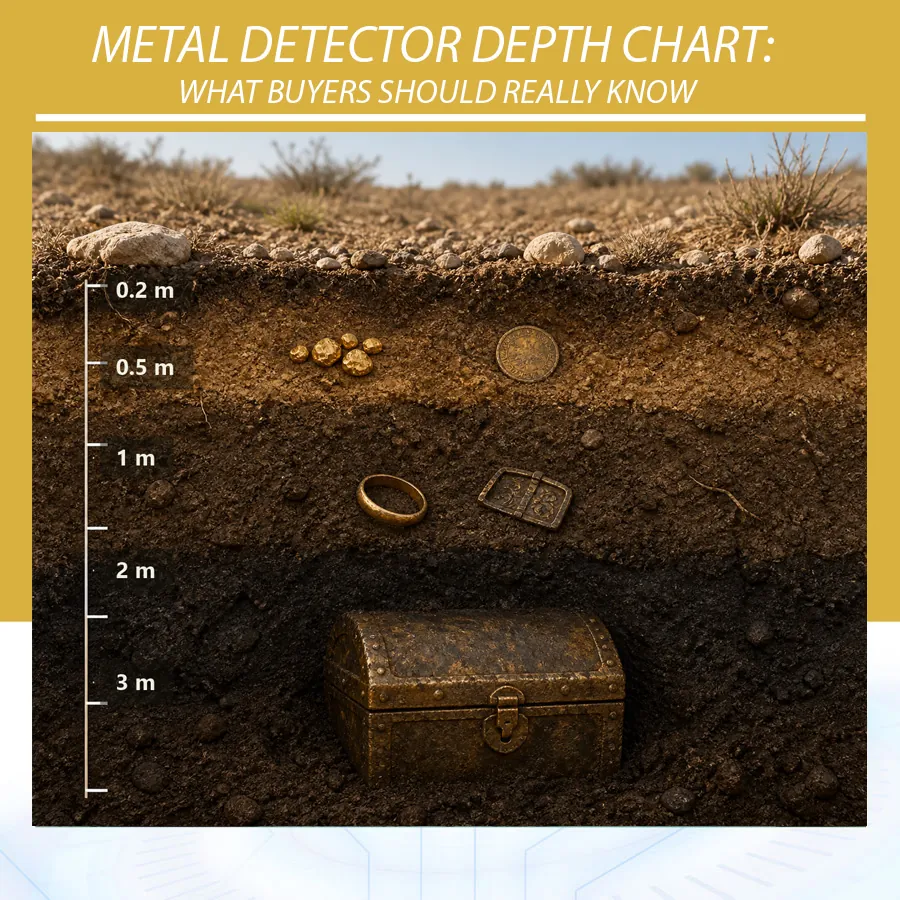
- Featured image: A realistic underground cross-section showing different target sizes at different depths. ALT: metal detector depth chart showing coins nuggets and deep buried treasure targets
- Comparison image: Three detector types side by side: VLF coil detector, pulse induction gold detector, and 3D ground scanner. ALT: metal detector depth comparison by detector technology
- Field image: Detectorist searching mineralized rocky ground with a depth layer visual. ALT: metal detector depth affected by soil mineralization and target size
Resources
- Orient Detectors
- Orient Detectors: Infinity Max Pro
- Orient Detectors: Mega Scan Pro
- Orient Detectors: Gold Vision
- Orient Detectors: Gold Star 3D Scanner
- Orient Detectors: Gold Stinger X6
- Orient Detectors: Gold Monster 2000
- Orient Detectors: GPX 6000
- Orient Detectors: GPZ 8000
- Orient Detectors: Garrett Axiom
- Orient Detectors: The Legend 2
- Orient Detectors: Manticore
- Orient Detectors: Garrett Vortex
- Minelab: How Detectors Work
- Minelab: FAQ
- Garrett: Field Tips