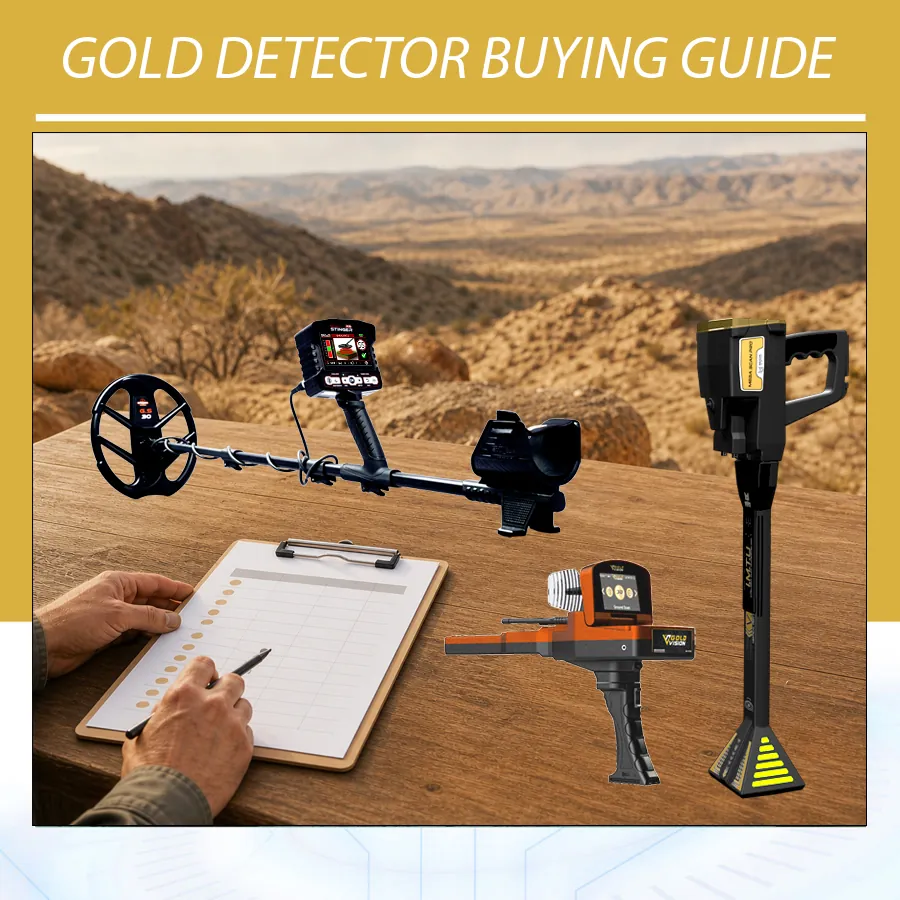
Gold Detector Buying Guide: Features, Technologies, and Mistakes to Avoid
A serious gold detector buying guide should start with a simple truth: there is no single best gold detector for every person, every soil, and every target. A device that is excellent for tiny natural gold in mineralized ground may not be the right choice for deep treasure caches. A machine built for coins and jewelry may be easy to use, but it may not handle hot rocks well. A professional multi-system detector may offer long-range search, pulse induction, 3D ground scanning, and cavity detection, but it may be more complex than a beginner really needs.
Many buyers begin with one question: “How deep does it go?” Depth matters, but it is only one part of the decision. Real performance depends on target size, soil mineralization, coil size, frequency, pulse technology, target identification, search mode, ground balance, recovery speed, battery life, waterproofing, software, and the skill of the operator. That is why this gold detector buying guide focuses on practical buying decisions rather than exaggerated promises.
This article uses manufacturer resources and product examples available through Orient Detectors, including Gold Stinger X6, Gold Monster 2000, Minelab GPX 6000, Garrett Axiom, Nokta Magnetar 9000, Minelab GPZ 8000, The Legend 2, Minelab Manticore, Gold Vision, Infinity Max Pro, and OKM eXp 7000. The aim is to help you buy a detector that matches your field reality.
Quick Answer: How Should You Choose a Gold Detector?
The best way to choose a gold detector is to start from the target and the ground. If you are searching for tiny gold nuggets in mineralized soil, choose a sensitive gold-focused detector such as Gold Monster 2000, GPX 6000, Garrett Axiom, or GPZ 8000 depending on your budget and experience. If you are searching for coins, jewelry, and mixed targets, a simultaneous multi-frequency detector such as The Legend 2 or Minelab Manticore may make more sense. If you are searching for deep treasures, buried caches, cavities, or mixed exploration targets, a multi-system or 3D scanning device such as Gold Stinger X6, Gold Vision, Infinity Max Pro, Phoenix, or OKM eXp 7000 may be more suitable.
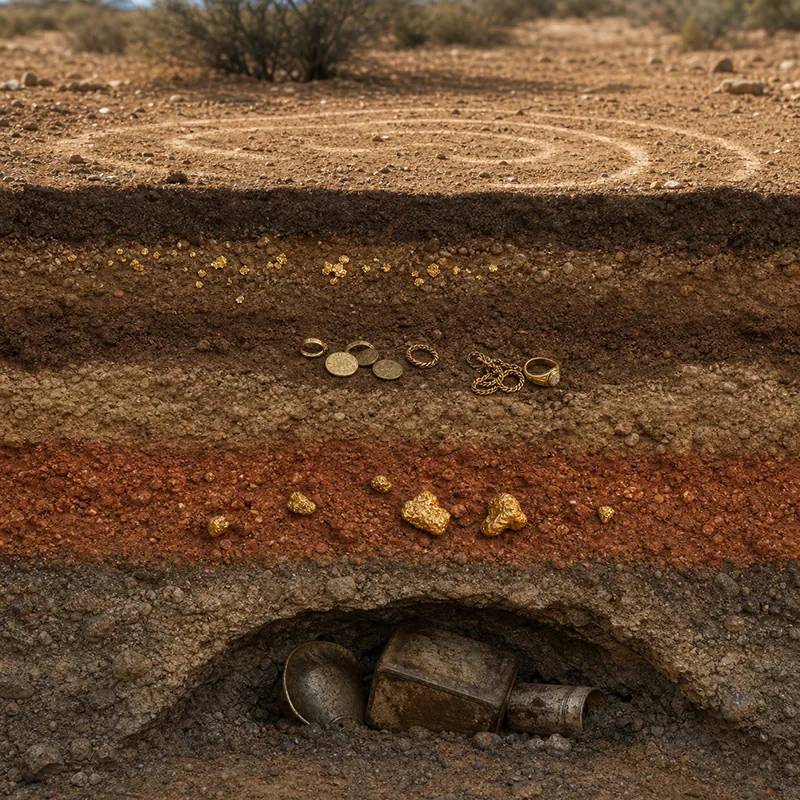
A useful gold detector buying guide does not treat all gold targets as the same. Natural gold can mean small flakes, sub-gram nuggets, specimen gold, medium nuggets, large nuggets, gold-bearing quartz, or buried gold objects. Treasure hunting can mean coins, jewelry, relics, metal boxes, jars, chambers, tunnels, or underground voids. Each target category rewards a different technology.
Step 1: Define Your Real Target
Before comparing prices or features, define what you are actually trying to find. A buyer who wants natural gold nuggets should think differently from a buyer who wants ancient coins or deep buried treasures. Tiny natural gold needs sensitivity, stable ground handling, and a coil suitable for small targets. Large buried objects need depth, coil coverage, and sometimes pulse induction or 3D scanning. Underground cavities need a completely different approach, often involving ground scan or geophysical systems.
If you skip this step, every detector will look attractive. Marketing pages often mention gold, coins, relics, and treasure together, but field performance is more specific. A fine-gold detector may respond beautifully to small nuggets but will not necessarily be the right tool for deep caves. A long-range and 3D scanner may help investigate buried structures, but it may not be the fastest way to recover individual coins in trashy ground. This is why the first rule in any serious gold detector buying guide is: choose by target, not by slogan.
Step 2: Understand the Main Gold Detector Technologies
Gold detectors use different technologies to send signals into the ground and interpret responses. The most common categories for buyers are VLF, simultaneous multi-frequency, pulse induction, advanced goldfield systems, long-range systems, and 3D ground scanning. Each has a place.
VLF and Simultaneous Multi-Frequency
VLF means Very Low Frequency. VLF detectors transmit a continuous signal and analyze how metal targets respond. Many VLF machines provide Target ID and discrimination, which helps users separate coins, jewelry, non-ferrous targets, and unwanted iron. Modern simultaneous multi-frequency detectors expand this idea by transmitting multiple frequencies at once. Minelab explains that Multi-IQ uses multiple search frequencies together to improve accuracy across different targets and conditions, while Nokta describes The Legend as a simultaneous multi-frequency detector with multi-purpose performance, target ID, search modes, recovery speed, waterproofing, and strong discrimination.
VLF and multi-frequency detectors are excellent for many buyers because they are practical, versatile, and easier to interpret than many specialist machines. The Legend 2, Minelab Manticore, and similar detectors can be very useful for coins, jewelry, relics, beach hunting, and some goldfield use. For small natural gold, Gold Monster 2000 is a gold-focused simultaneous multi-frequency detector that Minelab positions around fine-gold sensitivity, automatic ground balance, Echo Wave Audio, Gold Chance Indicator, and a 12 to 76 kHz frequency range.
Pulse Induction
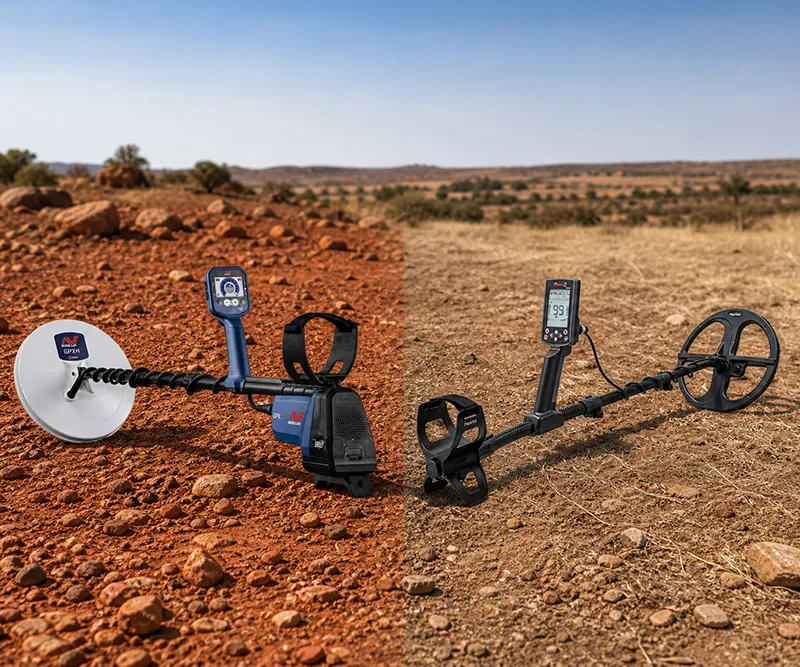
Pulse induction detectors transmit powerful pulses and measure how the ground and targets respond after each pulse. In practical terms, PI detectors are often preferred for difficult mineralized ground, salt-affected areas, and deeper goldfield work. They may not provide the same fine target identification as many VLF machines, but they can remain stable where ordinary detectors become noisy.
Minelab describes GPX 6000 as a gold detector using GeoSense-PI technology for real-time ground analysis, high sensitivity, and stability in mineralized soils. Garrett describes Axiom as a PI gold detector with advanced pulse timings and TERRA-SCAN ground balance for difficult conditions such as black sand, saltwater, alkaline soils, and hot rocks. If your main challenge is mineralized goldfield soil, PI should be part of your buying shortlist.
Advanced Goldfield Technologies
Some professional gold detectors use proprietary technologies that go beyond simple labels. Minelab’s GPZ platform is associated with Zero Voltage Transmission, while GPX 6000 uses GeoSense-PI. These systems are designed for serious gold prospecting in difficult ground. They are not the cheapest options, but they are built for users who need strong performance where smaller or simpler detectors struggle.
Long-Range and Multi-System Detectors
Long-range and multi-system detectors are aimed at users who search large areas or mixed target types. Gold Stinger X6, Gold Vision, Mega Scan Pro, and Infinity Max Pro are examples of devices that include multiple systems for different search scenarios. Infinity Max Pro, for example, is listed by Orient Detectors as a 12-system detector with long-range locating, 3D ground scanning, geophysical search, live visualization, pinpointer, pulse induction, smart detect, and tunnel scan systems.
These devices should be bought with realistic expectations. They are not replacements for learning field technique. Their value is versatility: moving from broad search to local scan to confirmation. They make the most sense for serious treasure hunters and professional users who need more than one detection method.
3D Ground Scanners
3D ground scanners are used to visualize underground anomalies such as buried objects, cavities, tunnels, chambers, disturbed soil, and void-like structures. OKM describes Visualizer 3D Studio as software for visualizing detected structures as 2D and 3D graphics, helping determine position, size, and depth before excavation. Devices such as OKM eXp 7000, Gold Vision, Phoenix, Rover C4, and GR-4 belong in this broader category.
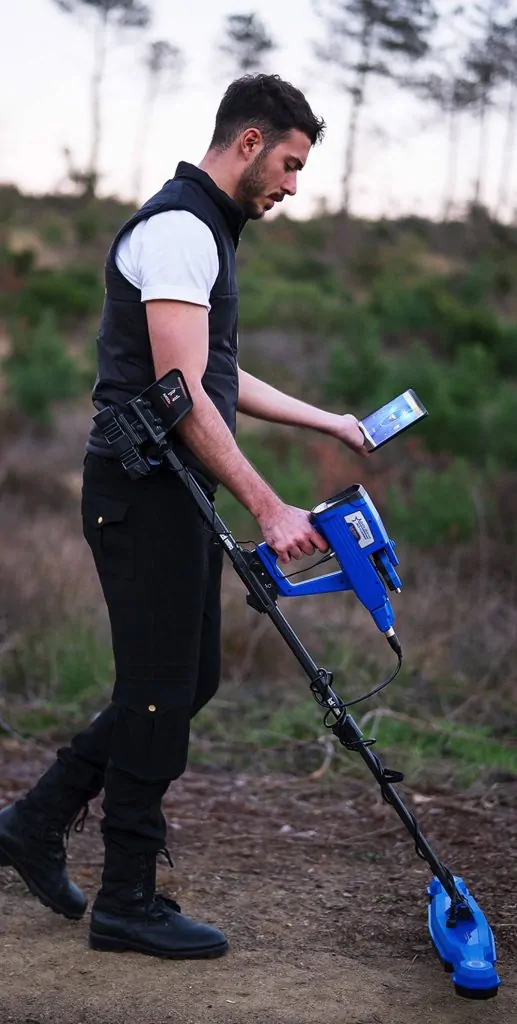
A 3D scan is not a photograph of the underground. It is measured data that must be interpreted. For the right user, it is powerful. For a beginner who expects the screen to “show treasure” automatically, it can be confusing. A good gold detector buying guide should make that clear before purchase.
Comparison Table: Detector Technology by Search Goal
| Search Goal | Best Technology Direction | Why It Fits | Examples from Orient Detectors |
|---|---|---|---|
| Tiny natural gold | Gold-focused VLF / simultaneous multi-frequency | High sensitivity to small gold and easier operation | Gold Monster 2000 |
| Gold in mineralized soil | Pulse induction or advanced goldfield detector | Better stability in hot ground and difficult conditions | GPX 6000, Garrett Axiom, GPZ 8000, Magnetar 9000 |
| Coins, jewelry, relics | VLF / simultaneous multi-frequency | Target ID, discrimination, recovery speed, search modes | The Legend 2, Minelab Manticore |
| Deep treasures and mixed targets | Multi-system detector | Several technologies in one device for confirmation | Gold Stinger X6, Infinity Max Pro, Mega Scan Pro |
| Cavities, tunnels, chambers | 3D ground scanner / geophysical system | Visual anomaly interpretation and scan-grid workflow | Gold Vision, Phoenix, OKM eXp 7000, GR-4 |
| Beach and wet salt conditions | Waterproof multi-frequency or PI depending on target | Better handling of conductive salt and changing ground | The Legend 2, Manticore, Garrett Axiom, GPX 6000 |
Key Features Buyers Should Compare
Ground Balance
Ground balance is one of the most important features in any gold detector. Mineralized soil creates signals of its own. Without good ground handling, a detector may chatter, false, or lose depth. Minelab’s general technology guide explains that ground balancing reduces interference from natural minerals, helping the detector maintain accuracy in beaches and mineralized ground. For gold prospecting, this feature is not optional; it is central.
Beginners often underestimate ground balance because it sounds technical. In reality, it affects every day in the field. Automatic ground balance can help new users, while manual or tracking options can help advanced users fine-tune performance. Gold Monster 2000 uses automatic ground handling, GPX 6000 uses automatic ground balance and noise cancel, and Garrett Axiom uses an advanced dual-channel ground balance approach. This gold detector buying guide recommends checking ground balance before checking cosmetic features.
Frequency and Target Sensitivity
Frequency affects what a detector hears best. Lower frequencies tend to work better for larger and deeper conductive targets, while higher frequencies are more responsive to small or low-conductive targets such as tiny gold. Multi-frequency detectors try to combine advantages across a broader target range. Gold Monster 2000 uses a high gold-focused simultaneous frequency range. The Legend 2 offers selectable single frequencies and simultaneous multi-frequency operation for different search modes.
Do not choose frequency in isolation. A high-frequency detector can be sensitive to small gold but noisy in bad ground if ground handling is weak. A low-frequency machine may punch deeper on larger objects but miss tiny gold. The best decision connects frequency to coil, soil, target size, and detector technology.
Coil Size and Coil Type
Coils are not just accessories. A small coil is better for tight spaces, bedrock cracks, small targets, and trash separation. A large coil covers more ground and can improve depth on larger targets, but it may be less sensitive to tiny objects and harder to control in rough terrain. Mono coils and DD coils also behave differently, especially on PI detectors. GPX 6000, for example, offers coil choices for fine gold, salty ground, and larger/deeper targets.
A smart buyer asks what coils are included, what optional coils are available, and whether the detector supports the search style. If a device ships with only one small coil, it may be excellent for small gold but slower for wide open areas. If a device supports multiple coils, it may grow with the user’s needs.
Target ID and Discrimination
Target ID and discrimination help users decide whether to dig. This is especially important for coins, jewelry, relics, and trashy sites. Nokta lists The Legend 2 with 99 Target IDs, multiple tones, discrimination features, recovery speed, and search modes. Minelab’s Manticore includes Multi-IQ+ and 2D ID mapping on the Orient Detectors product page. These features can save time in parks, fields, beaches, and old habitation sites.
Gold prospectors should use discrimination carefully. Gold can appear across a range of responses depending on size, shape, purity, and depth. Very small gold may not behave like a neat coin. Large iron may sometimes fool detectors. Target ID is a guide, not a guarantee.
Search Modes
Search modes are preset or adjustable programs for different environments. Park, Field, Beach, Gold, Difficult, Normal, Salt, and Relic modes are common examples. They change detector behavior to match the ground and target. A beginner benefits from clear modes because the device becomes easier to start. An advanced user benefits when modes can be adjusted.
For example, Garrett Axiom includes modes such as Fine, Large, Normal, and Salt, while GPX 6000 includes Normal and Difficult ground settings. The Legend 2 includes multiple modes for park, field, beach, relic, and gold use. Matching search mode to site conditions is a basic but important part of real field success.
Waterproofing and Weather Resistance
Waterproofing matters more than many buyers expect. Beach hunters, river prospectors, and users in rainy conditions should check whether the full detector is submersible or only the coil is waterproof. The Legend 2 is listed by Nokta as IP68 and submersible up to 5 meters. Gold Monster 2000, by contrast, has a rainproof control pod and a coil waterproof to 1 meter, which is useful but not the same as full underwater operation.
Weight and Ergonomics
A detector may look powerful in photos, but if it is too heavy for long sessions, field results suffer. Weight, balance, shaft design, armrest comfort, battery position, and collapsibility all matter. Gold Monster 2000 weighs about 1.25 kg according to Minelab specifications, The Legend 2 is listed at about 1.2 kg, and GPX 6000 is designed as a lightweight professional PI detector at about 2.1 kg. Long field days make these numbers meaningful.
Battery Life and Charging
Battery life affects real productivity. A detector used in remote areas should have reliable battery capacity, spare battery options, and practical charging accessories. GPX 6000 is listed with up to 8 hours of rechargeable battery life. Gold Monster 2000 includes two rechargeable lithium-ion batteries. For multi-system devices, check battery capacity carefully because screens, sensors, wireless connections, and apps can consume more power.
Software and 3D Visualization
For 3D scanners and multi-system detectors, software is not an extra. It is part of the machine. OKM Visualizer 3D Studio, Mega Detection visual tools, Multi Visual Analyzer, GEOGROUND 3D Analyzer, and similar platforms help turn scan data into readable information. Buyers should ask how easy the software is to learn, whether it supports 3D visualization, whether it helps estimate depth, and whether training is available.
Best Gold Detector Choices by Buyer Type
| Buyer Type | Recommended Direction | Good Device Examples |
|---|---|---|
| Beginner gold prospector | Simple, automatic, sensitive, lightweight detector | Gold Monster 2000 |
| General hobby detectorist | Multi-frequency detector with Target ID and discrimination | The Legend 2, Minelab Manticore |
| Serious nugget hunter | PI or advanced goldfield detector for mineralized ground | GPX 6000, Garrett Axiom, GPZ 8000 |
| Deep treasure hunter | Multi-system detector or deep-seeking platform | Gold Stinger X6, Magnetar 9000, Infinity Max Pro |
| Cavity and tunnel searcher | 3D ground scanner or geophysical detector | Gold Vision, Phoenix, OKM eXp 7000, GR-4 |
| Professional multi-site user | Versatile device with several confirmation methods | Infinity Max Pro, Mega Scan Pro, Gold Stinger X6 |
Device Examples from Orient Detectors
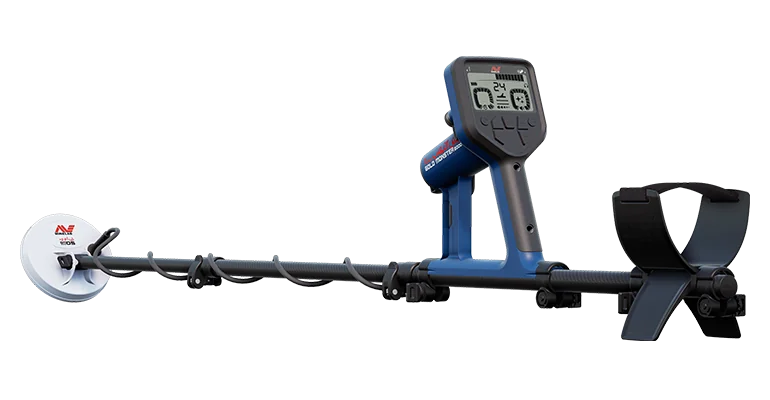
Gold Monster 2000
Gold Monster 2000 is a strong choice for beginners and intermediate users focused on small natural gold. Minelab lists it with Multi-Au simultaneous multi-frequency technology, automatic noise cancel, automatic and manual sensitivity, Echo Wave Audio, Gold Chance Indicator, 0-99 Target ID, and a 5-inch waterproof DD coil. Its strength is simplicity and fine-gold sensitivity rather than maximum deep treasure performance.
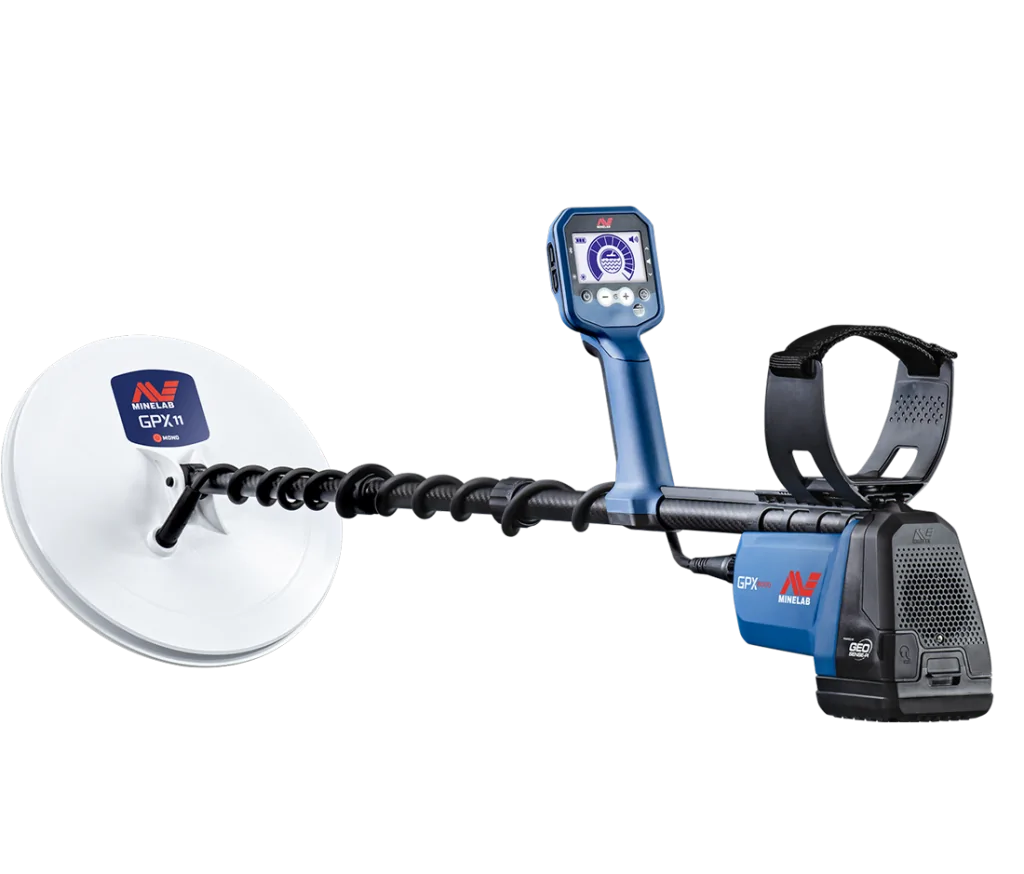
GPX 6000
GPX 6000 is a professional goldfield detector for users who need PI performance in mineralized soil. Minelab highlights GeoSense-PI technology, automatic ground balance and noise cancel, waterproof coils, lightweight design, and clear audio. It is best for serious nugget hunters who want stability and performance in hard ground.
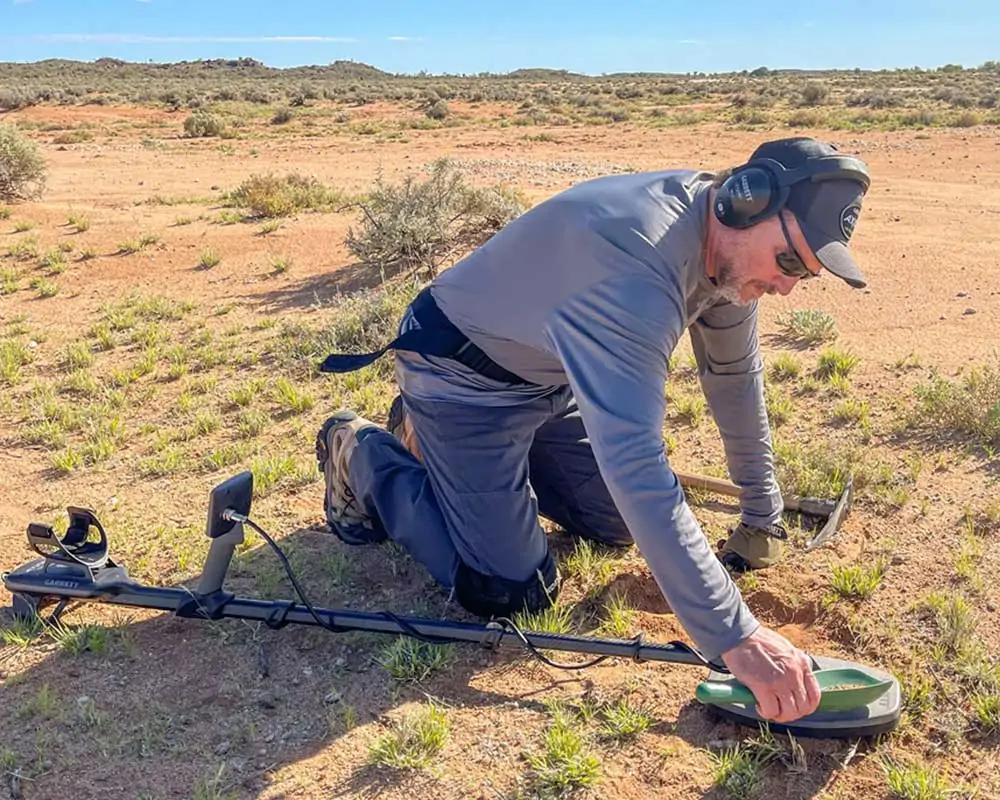
Garrett Axiom
Garrett Axiom is another professional PI gold detector, using Ultra Pulse technology and TERRA-SCAN ground balance. It is designed for gold prospecting across difficult mineralized and salt conditions. For users comparing PI options, Axiom is relevant because it combines ground handling, multiple detection modes, and modern ergonomics.
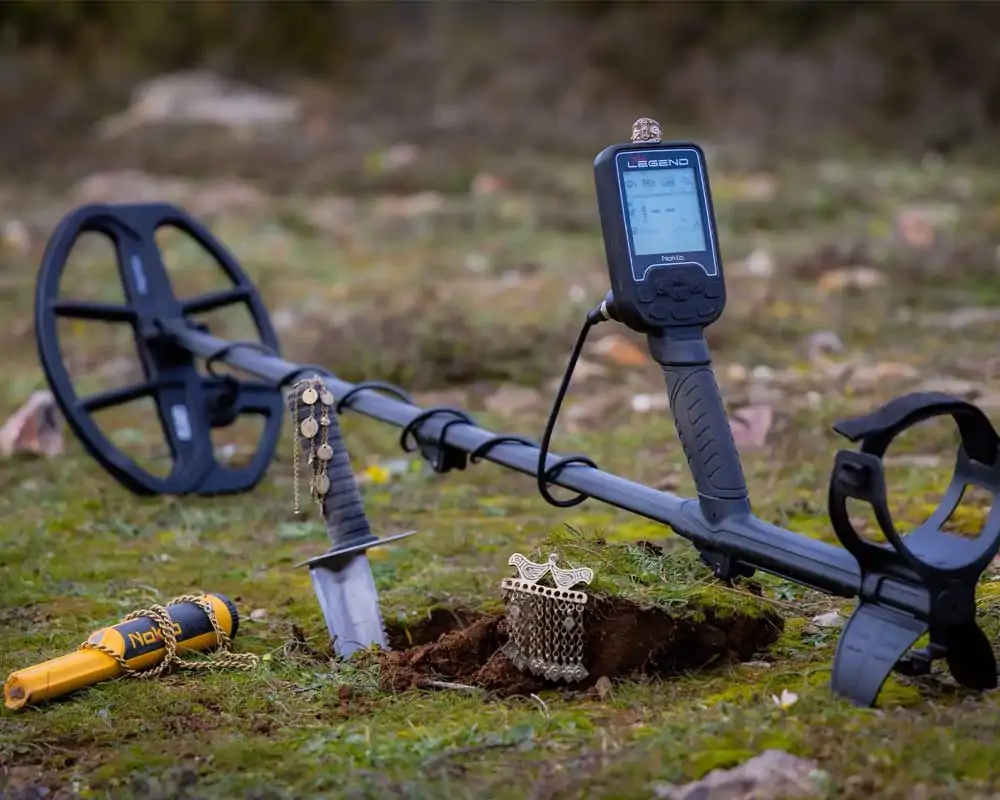
The Legend 2
The Legend 2 is a versatile simultaneous multi-frequency detector that fits users who want coins, jewelry, relics, beaches, fields, and goldfield capability in one waterproof machine. Nokta lists strong features such as 99 Target IDs, multiple tones, wireless update, IP68 waterproofing, search modes, frequency options, and mineralization indicator. It is a practical choice when discrimination matters.
Minelab Manticore
Manticore is a high-performance multi-frequency detector for users who want advanced Target ID, 2D mapping, waterproofing, and strong all-terrain performance. It fits experienced coin, relic, jewelry, beach, and goldfield users who want more information on screen than a simple detector provides.
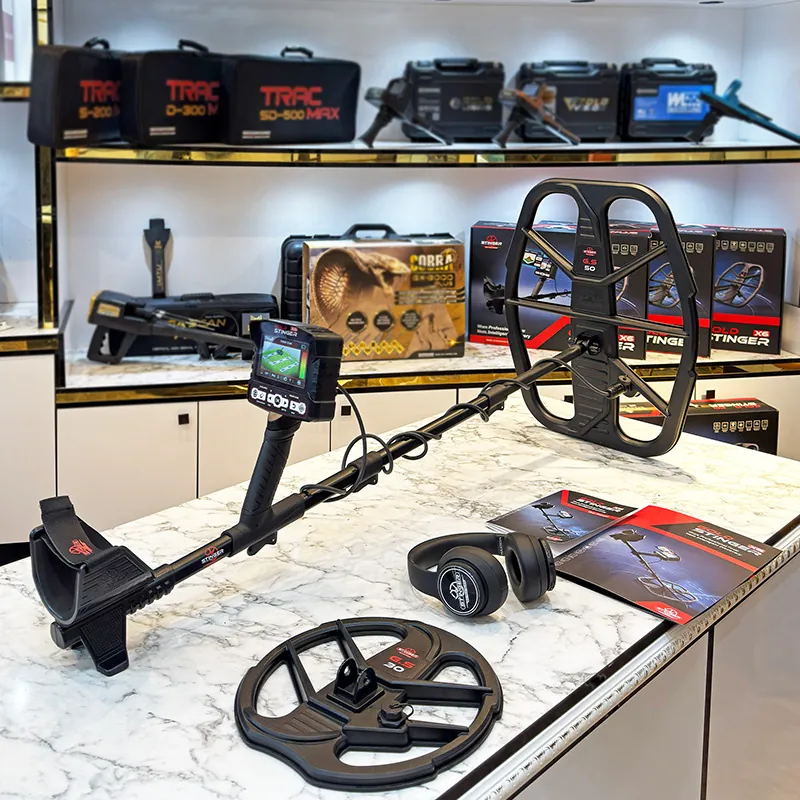
Gold Stinger X6
Gold Stinger X6 is a professional multi-system metal detector designed for gold, metals, and underground targets. Orient Detectors describes it as a new-generation detector with multiple detection systems, accurate signal analysis, and practical field operation. It makes sense for buyers who want more than a single VLF coil detector but do not necessarily need the largest professional platform.
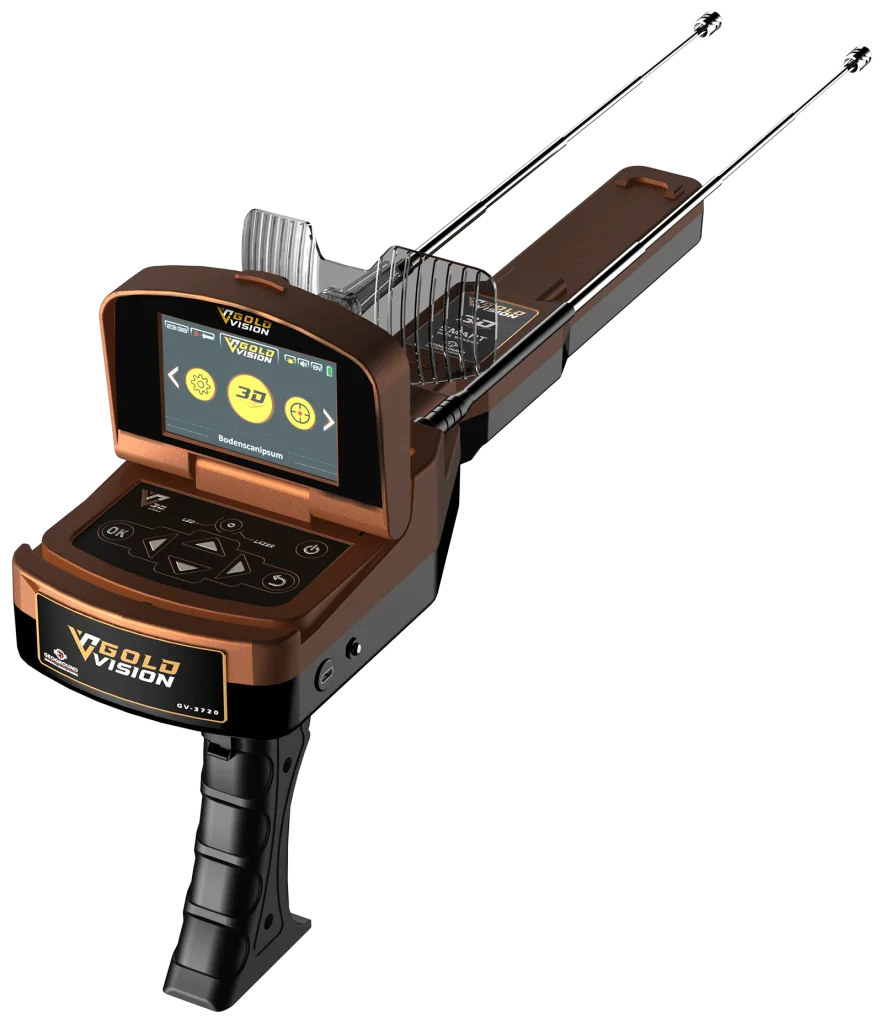
Gold Vision
Gold Vision is a lightweight metal detector and 3D ground scanner from GeoGround. Orient Detectors lists six systems including 3D Ground Scan, Long Range, Free Mode, Smart Depth, Ionic, and Bionic systems. It is relevant for users who want a portable detector that can help locate buried objects, voids, and cavities with visual scan support.
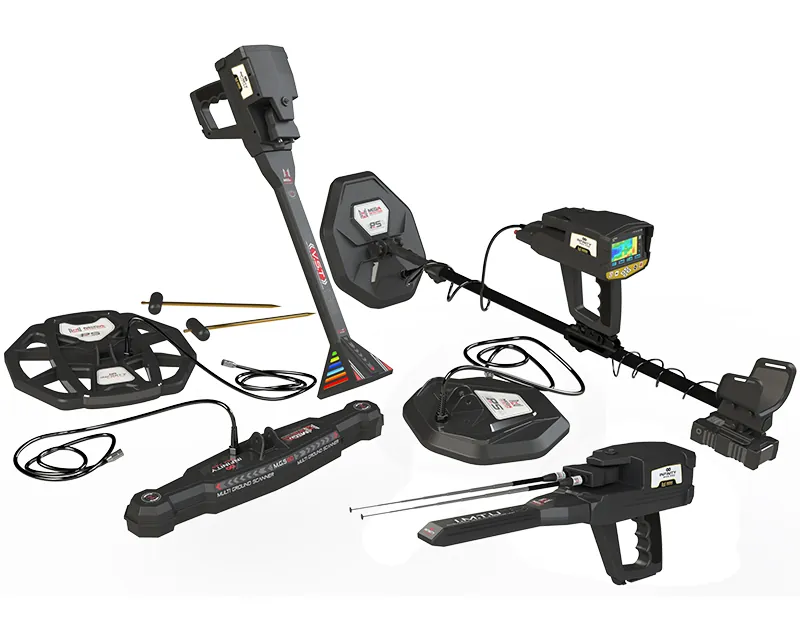
Infinity Max Pro
Infinity Max Pro is a professional 12-system detector for users who want long-range search, ground scanning, tunnel scan, pulse induction, smart detect, geophysical tools, and visual analysis in one system. It is best for advanced users who will invest time in training and organized field workflow.
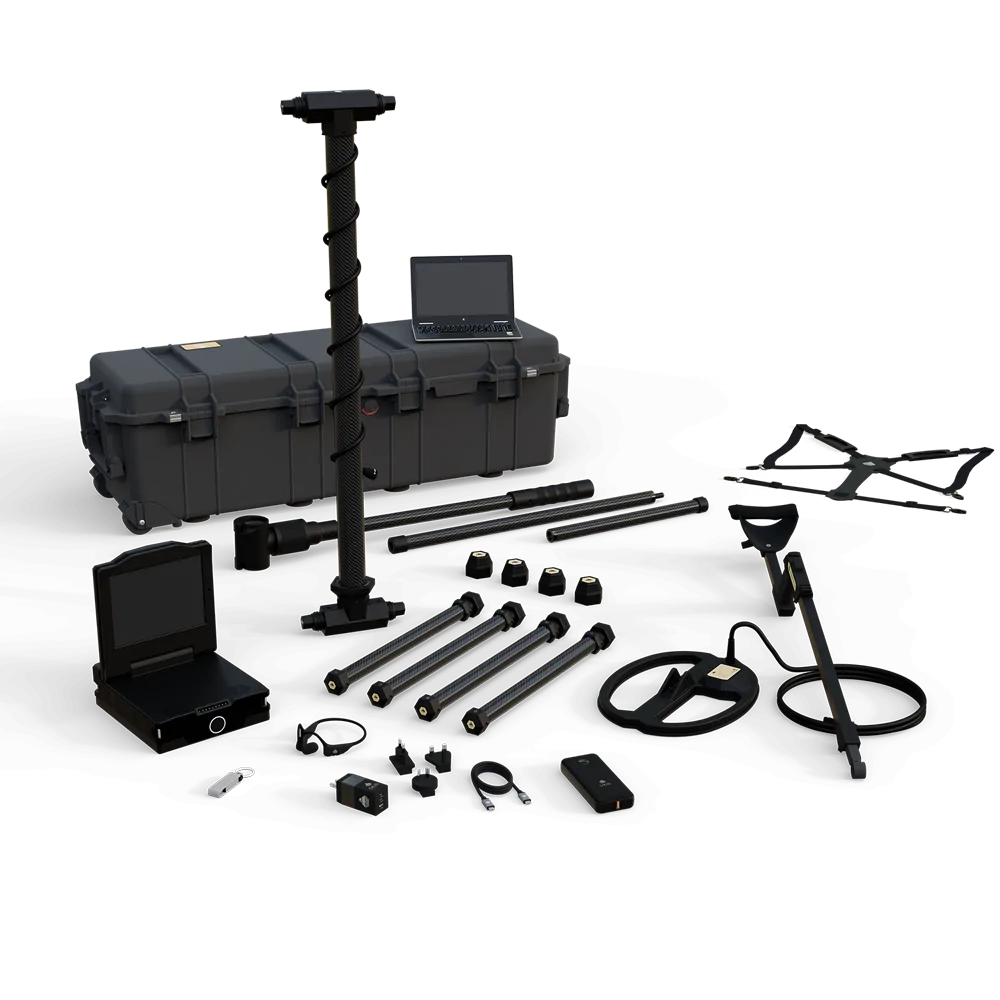
OKM eXp 7000
OKM eXp 7000 is a high-end 3D ground scanner for professional users. OKM’s material highlights operating modes such as 3D Ground Scan, Tunnel Scan, Live Scan, Magnetometer, Mineral Scan, Pinpointer, 3D VLF Scan, and VLF Metal Detection. It is most relevant when the buyer needs advanced 3D visualization for objects, cavities, tunnels, and underground structures.
Common Buying Mistakes to Avoid
Mistake 1: Buying for Maximum Depth Only
Depth is important, but buying only for depth is one of the fastest ways to choose the wrong detector. A machine may detect a large object at impressive depth but miss tiny gold. Another machine may be excellent for small gold but not built for buried caches. Always ask what target size and soil condition were used for any depth claim.
Mistake 2: Ignoring Soil Mineralization
Goldfields often contain hot rocks, iron minerals, salt, and changing ground. A detector that works well in mild soil may become unstable in difficult ground. If you search mineralized areas, ground balance and soil handling should be top priorities.
Mistake 3: Confusing Gold Prospecting with Treasure Hunting
Natural gold prospecting and treasure hunting are related but not identical. Small nuggets need sensitivity. Deep treasures may need depth, larger coils, pulse induction, long-range search, or 3D scanning. Do not buy a small-gold detector if your main goal is deep cavities, and do not buy a complex 3D scanner if your main goal is tiny surface gold.
Mistake 4: Overbuying as a Beginner
Advanced detectors can be powerful, but they also require discipline. A beginner may get better results with a simpler detector that is easy to learn. Training, confidence, and repeatable technique matter more than owning the most complex device.
Mistake 5: Ignoring Accessories
Coils, headphones, batteries, chargers, shafts, carrying cases, pinpointers, digging tools, and software can affect the real cost and field usefulness of a detector. Compare package contents before comparing price alone.
Mistake 6: Trusting Screen Readings Too Much
Target ID, gold probability indicators, and 3D scan colors are decision aids. They are not final proof. Always verify important signals from different directions, repeat scans, and use more than one method when the target is valuable.
Mistake 7: Forgetting Local Rules and Permissions
Metal detecting rules vary by country and location. Archaeological sites, protected areas, private land, military zones, and public property may require permission or may be restricted. A responsible buyer checks local laws before detecting.
Buyer Checklist Before You Pay
- What is your main target: tiny gold, nuggets, coins, jewelry, treasures, cavities, or mixed search?
- What soil will you search: mild soil, mineralized ground, hot rocks, salt, wet sand, or rocky desert?
- Do you need Target ID and discrimination, or maximum stability in bad ground?
- Do you need a waterproof detector or only a waterproof coil?
- What coils are included, and what optional coils are available?
- How heavy is the detector during a full day of use?
- How long does the battery last, and can you charge it in the field?
- Does the device require software, a tablet, or advanced scan training?
- Is the product available from a reliable supplier with warranty and support?
- Can the seller explain realistic depth based on target size and ground conditions?
Recommended Buying Path
If you are a beginner, start with a detector that is easy to operate and suited to your target. Gold Monster 2000 is a logical start for natural gold prospecting. The Legend 2 is a strong option for general detecting, coins, relics, jewelry, beach use, and occasional goldfield work. If you already know you will search difficult goldfields, move toward PI options such as GPX 6000 or Garrett Axiom.
If you are a serious treasure hunter, think in systems rather than one feature. You may need broad area search, local confirmation, deep target checking, and scan visualization. Gold Stinger X6 may fit users who want multi-system flexibility in a practical package. Infinity Max Pro fits advanced users who want many technologies in one professional platform. Gold Vision, Phoenix, and OKM eXp 7000 fit buyers who need 3D ground scanning and underground anomaly analysis.
FAQ: Gold Detector Buying Guide
What is the best gold detector for beginners?
For natural gold, Gold Monster 2000 is beginner-friendly because it is lightweight, automatic, sensitive to small gold, and easier to learn than many professional machines. For general detecting, The Legend 2 is a strong multi-frequency option.
Should I buy VLF or pulse induction?
Choose VLF or simultaneous multi-frequency for coins, jewelry, relics, target ID, discrimination, and easier operation. Choose pulse induction for mineralized goldfields, salt-affected ground, and stronger performance on deeper or more difficult gold targets.
Are expensive gold detectors always better?
No. Expensive detectors are often more advanced, but the best detector is the one matched to your target, soil, and experience. A beginner can waste money on a complex device that is not used correctly.
Can one gold detector find everything?
No single detector is perfect for every target. Multi-system detectors can cover more scenarios, but even they require correct system selection, training, and confirmation.
Do I need a 3D ground scanner?
You need a 3D ground scanner if your work involves cavities, tunnels, buried chambers, large caches, or underground anomaly interpretation. You may not need one for ordinary coin or small nugget hunting.
What feature matters most for goldfields?
Ground handling is critical. Mineralized soil and hot rocks can reduce performance. Look for strong ground balance, stable audio, suitable coils, and technology designed for difficult goldfield conditions.
Final Verdict
The best gold detector buying guide is not a list of the most expensive devices. It is a practical decision process. Start with the target. Study the ground. Choose the technology. Compare the features that affect real field results. Then check weight, battery, waterproofing, coil options, software, warranty, and training.
For small natural gold and beginner prospecting, Gold Monster 2000 is a strong starting point. For all-purpose detecting with target ID and waterproof versatility, The Legend 2 and Manticore are excellent directions. For mineralized goldfields and serious nugget work, GPX 6000, Garrett Axiom, GPZ 8000, and Magnetar 9000 deserve attention. For deep treasures, cavities, and mixed exploration work, Gold Stinger X6, Gold Vision, Infinity Max Pro, Phoenix, and OKM eXp 7000 are more relevant.
Buy the detector that matches your ground, your target, and your skill level. That one decision will save more money than any discount, and it will improve your results more than chasing the biggest depth number on a product page.
Suggested Links
- Gold Detector Price Guide
- Metal Detector Depth Chart
- Pulse Induction vs VLF Metal Detectors
- Best 3D Metal Detectors for Underground Treasures
- Gold Detectors Category
- 3D Ground Scanners Category