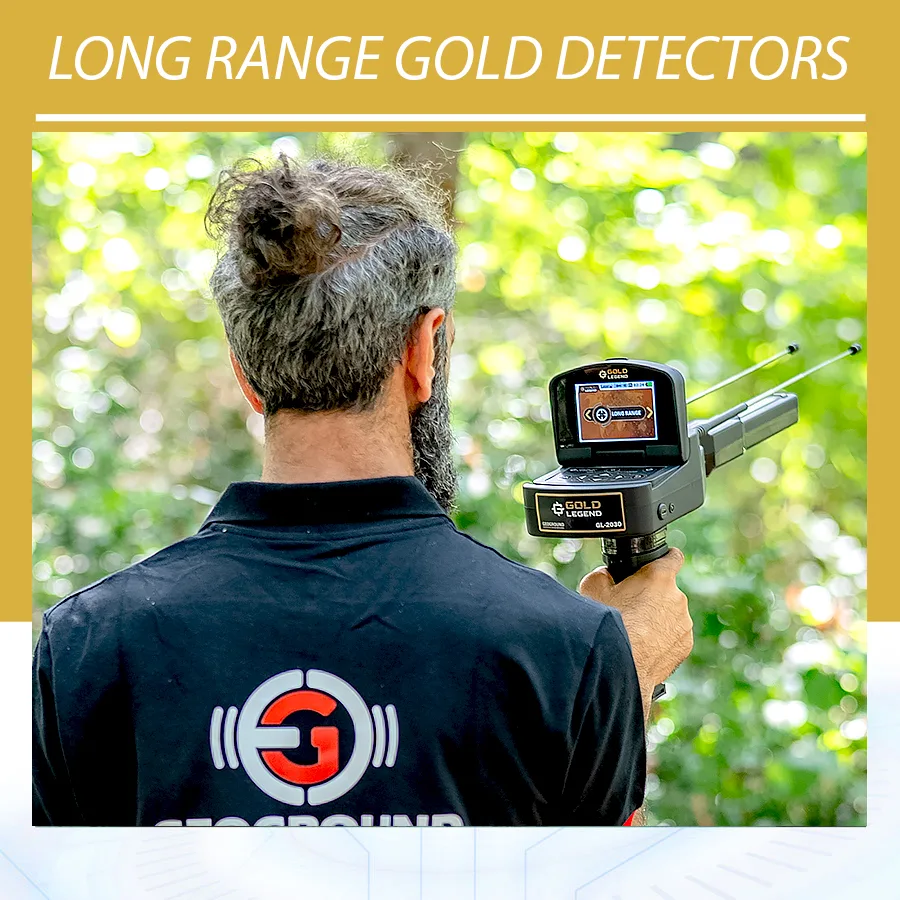
A long range gold detector, also called a long range locator (LRL), is a device that claims to point toward a metal target from tens, hundreds or even thousands of meters away without sweeping a coil over the ground. The short, honest answer is that there is no independent scientific evidence that these systems reliably locate gold at a distance. If you use one, treat it at most as a way to prioritize an area, never as proof for digging, and confirm every indication with proven physics such as pulse induction (PI), VLF detection or ground-penetrating radar (GPR).
Orient Detectors ships detectors from Istanbul to buyers in the Gulf, Africa, Asia and beyond, and we are asked about long range devices every week. This guide explains what these devices actually do, how to read their specifications, and which proven alternatives fit your target.

What is a long range gold detector?
A conventional metal detector works by electromagnetic induction: the coil transmits a field, a buried metal object disturbs it, and the detector measures that disturbance. This principle is well documented, but its range is limited because the field weakens very quickly with distance. That is why a coil detector rarely goes beyond one or two meters, and only on large targets.
Long range locators claim to work differently. Manufacturers describe receiving antennas, “resonance frequencies” of the target metal, ionic or bionic systems, or sample-based programs selected for gold, silver, bronze or cavities. These principles are not described in the scientific geophysics literature, and no independent controlled testing has shown that they can find a buried target better than chance.
In our catalog, long range capability appears in two forms:
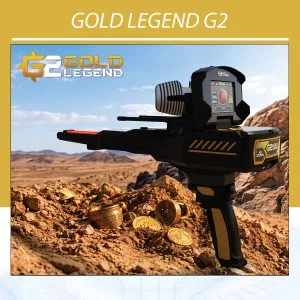
- Dedicated long range devices, such as Gold Legend G2, Viper, Trac Max and Cobra GX-8000 Plus, where directional searching is the main function.
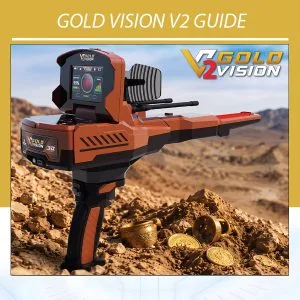
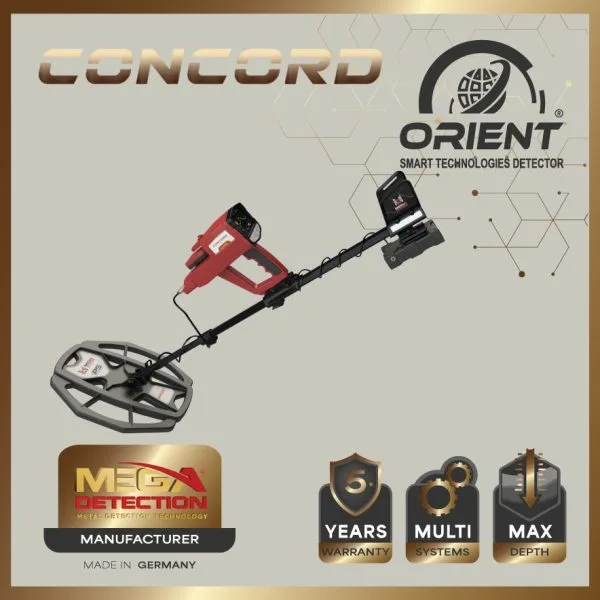
- Multi-system devices, such as Infinity Max Pro, Mega Scan Pro, Gold Vision V2, Gold Star 3D Scanner and Concord, where an LRL mode sits alongside other search systems.
How to read long range depth and range specifications
Product pages in this category often list figures such as “50 m depth” or “3000 m front range”. These are manufacturer-stated specifications, not measurements verified by independent laboratories. Keep the following in mind before you buy:
- Physics sets limits. No induction detector, however powerful, detects a gold nugget tens of meters down. Real depth depends on target size, soil mineralization and moisture.
- A direction is not a location. Even if a device indicates a direction, that tells you nothing about depth, size or metal type.
- The operator influences the result. Hand-held antennas that swing with small hand movements are very sensitive to posture, wind and the user’s expectations, a known effect called the ideomotor effect.
- Ask for a fair test. A fair test uses a target buried by someone else, in a spot the operator does not know.
Multi-system vs dedicated long range devices
Multi-system devices: where the real value is
Some devices in our catalog combine an LRL mode with systems based on known principles. With these, the value for the buyer lies in the confirmation systems, not in the long range mode.
| Device | Confirmation systems included | Realistic use |
|---|---|---|
| Infinity Max Pro | Ground scan, pulse induction, pinpointer | Complete platform for experienced users |
| Mega Scan Pro | Ground scan, pinpointer | Looking at anomalies in a small, defined area |
| Gold Vision V2 | 3D ground scan, Smart Depth | Portable unit with ground visualization |
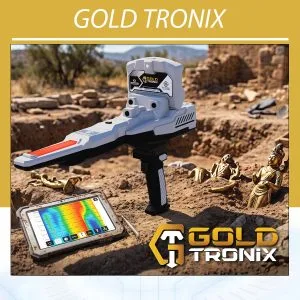
| Gold Star 3D Scanner | 3D imaging, tablet analysis | Studying the shape of an anomaly before digging |
| Concord | Pulse induction with interchangeable coils | Local confirmation after an initial indication |
3D ground scanners of this type show variations in the ground’s response, not a photograph of the target. An anomaly can be metal, mineralized rock, a wet root or a cavity, and interpreting it takes practice. Our guide on how to read 3D ground scan results explains what to look for.
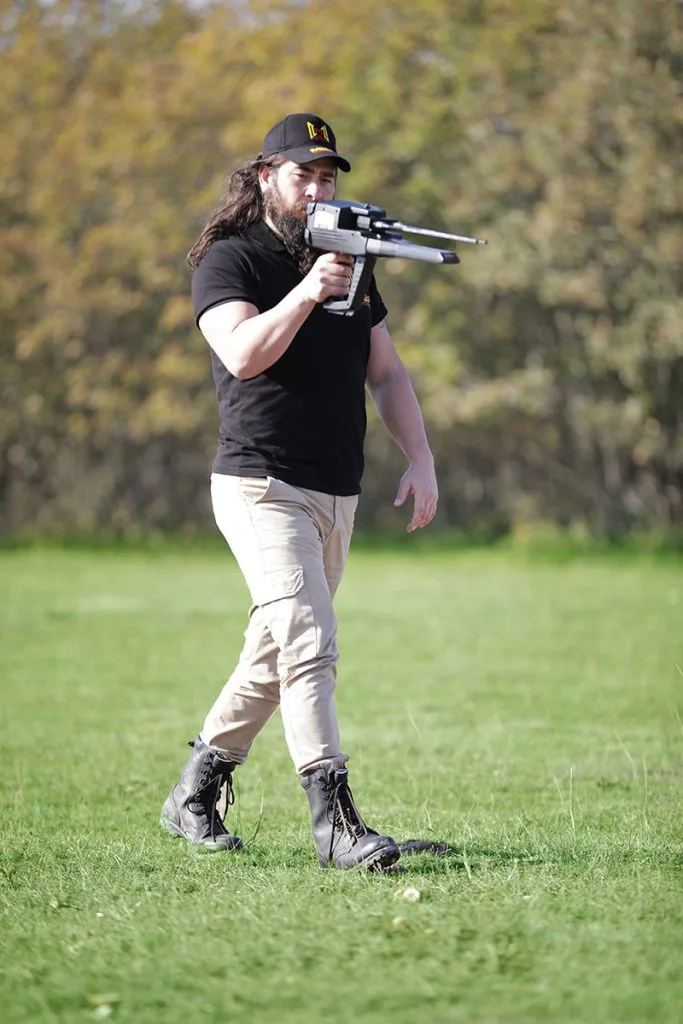
Dedicated devices: Gold Legend, Viper, Trac Max and Cobra GX-8000 Plus
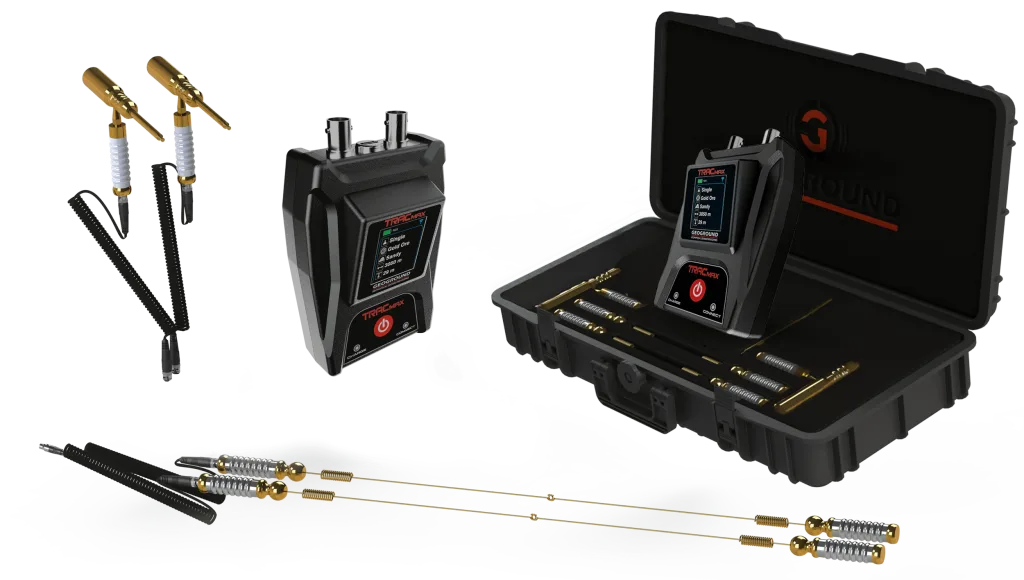
Gold Legend G2, Viper, Trac Max and Cobra GX-8000 Plus focus almost entirely on directional searching. They are simpler and, in some cases, less expensive than multi-system platforms, but they have no built-in proven method to confirm a target. If you decide to use one, plan from the start for a second, conventional detector to check any indication.
Proven alternatives for your target
The right question is not “which device reaches farthest?” but “what am I looking for, and in what ground?”
- Natural gold nuggets in mineralized soil: a pulse induction detector such as the Minelab GPX 6000, the GPZ 7000 with ZVT technology, or a high-frequency VLF such as the Gold Monster 1000 for small, shallow gold.
- Large, deep metal objects: PI detectors with large coils, which gain depth on big targets at the cost of missing small pieces.
- Cavities, tunnels and structures: ground-penetrating radar, such as the OKM Gepard GPR, is the technology used in engineering and professional archaeology, although its performance drops in clay or very wet soil.
For realistic depth figures by target type, see our metal detector depth chart.
How to use a long range gold detector with caution
If you already own an LRL device or decide to buy one, this workflow reduces the risk of pointless digging:
- Research first: the history of the site, its geology, access and, above all, the legal status of the land.
- Remove interference: move away from vehicles, metal fences, power lines and pipes.
- Repeat from several positions: mark each indicated direction and check whether the lines cross. A single reading means nothing.
- Confirm with proven physics: sweep a PI or VLF detector, or a ground scanner, over the candidate zone.
- Dig only on a confirmed signal, legally, and fill the hole afterwards.
Reality vs myth and the legal framework
Many social media videos show antennas that “point” to buried treasure. These videos are not evidence: there is no way to know whether the target was placed in advance or how many failed attempts were left out. Be skeptical of any seller who guarantees finds. Long range signals, dowsing rods, treasure signs and phone apps have no scientific basis as methods for locating buried gold.
In most countries, archaeological objects belong to the state, and digging at archaeological sites without authorization is illegal. Prospecting for natural gold can also require a permit or mining concession. Check the heritage and mining laws of your country, and get the landowner’s permission, before you go into the field.
Frequently asked questions
Do long range gold detectors work?
There are no independent studies showing that they reliably locate gold at a distance. Range figures are manufacturer-stated. Use them at most to prioritize areas, and always confirm with a conventional detector.
What is the deepest real gold detector?
For natural gold, pulse induction detectors with large coils offer the greatest proven depth. For medium nuggets that usually means tens of centimeters, and the figure varies widely with soil and target size.
Does a 3D scanner show the buried object?
No. It shows variations in the ground’s response, which can come from metal, minerals, moisture or cavities. Interpreting it takes experience and on-site confirmation.
Can I build my own long range gold detector?
Homemade designs based on antennas or rods face the same problem as commercial ones: no proven physical principle behind distance detection. A real coil-based detector is a better investment of time and money.
Conclusion
A long range gold detector does not replace a real metal detector or ground-penetrating radar, and its specifications should be read as commercial claims, not guaranteed results. If your goal is natural gold, invest first in a good PI or VLF detector and learn to use it on your type of soil. If you need help choosing for your area and budget, our team in Istanbul can advise you over WhatsApp before you buy.
Not sure which detector fits you? Contact us on WhatsApp.
Read also
Related Articles