
If you are still deciding between a nugget detector, a mixed-target machine, or another platform, start with choosing the right metal detector. That companion guide compares targets, terrain, technology, coils, and suitability. Here, the focus is the purchase.
1. Write an Order Brief Before Requesting Prices
An order brief translates a search requirement into the configuration the supplier must quote. Include the full model name, proposed coil, required accessories, delivery destination, and any training or service needs. If a detail remains undecided, identify it explicitly rather than allowing a general product photograph to fill the gap.
Separate required items from optional upgrades. A supported charger may be essential, while another coil could wait until practice reveals a limitation. This makes it easier to compare a basic package with an expanded bundle without assuming that every additional item adds useful value.
State the delivery country and preferred currency so the supplier can explain applicable shipping and other quoted charges. Ask which costs are included and which remain your responsibility. Do not treat a general website shipping message as an itemized commitment for a particular destination.
Keep the brief short enough for both parties to use. A clear list of the exact configuration and unanswered questions is more useful than a long account of every detector you considered. If suitability is unresolved, return to the selection guide before asking several sellers to price incompatible alternatives.

2. Buy Metal Detectors with Comparable, Itemized Quotations
Compare the same model and the same included equipment. One quote may include a second coil or headphones while another prices only the base configuration. A lower total does not establish better value until the contents and terms are aligned.
| Quotation field | Offer A | Offer B |
|---|---|---|
| Exact model and package identifier | Record the stated version | Record the stated version |
| Included coils and covers | List model numbers | List model numbers |
| Power and audio | List batteries, charging items, and headphones | List batteries, charging items, and headphones |
| Quoted delivery and other charges | Included, excluded, or awaiting confirmation | Included, excluded, or awaiting confirmation |
| Training and service route | Identify provider and scope | Identify provider and scope |
| Quote validity and availability | Obtain dated confirmation | Obtain dated confirmation |
Ask for the quote date, validity period, availability status, payment terms, and estimated dispatch arrangement. A price displayed on a page does not prove that the item is ready for immediate shipment. If a substitute is proposed, confirm it before accepting the order.
Compare the cost of the complete working setup rather than adding every possible accessory. An itemized quote should let you identify both missing essentials and unnecessary additions. Keep an agreed written version so later changes can be checked against it.
A discount should not replace answers about model identity or support. An unusually low price is a reason to investigate the offer carefully, not proof by itself that it is genuine or counterfeit. Verify through the relevant brand and supplier channels.
3. Inspect the Package List, Not Only the Product Photograph
A photograph may show optional equipment or a different regional bundle. Ask for a written contents list for the exact package being sold. Model generations and similarly named packages can differ in coils, charging equipment, headphones, software, and supplied fittings.
| Component | Purchase check |
|---|---|
| Control unit | Correct model, language options if relevant, and supplied documentation |
| Coil | Exact coil model, compatibility, cover, and mounting hardware |
| Shaft and armrest | Complete assembly and fittings for the offered configuration |
| Cables and connectors | Correct connection items and protective caps where specified |
| Power | Included battery arrangements and approved charging equipment |
| Audio | Included headphones or adapters and their exact compatibility |
| Accessories or software | Which items, licenses, and hardware are included rather than illustrated |
Do not assume that “wireless” describes every connection in the system. Wireless headphones do not automatically mean a wireless coil. Likewise, a connector that appears to fit does not establish electrical or software compatibility.
Ask about model-specific limitations before buying an accessory. A coil may support only certain platforms, and a water-use configuration may require particular headphones or connector arrangements. Confirm the exact supported combination rather than relying on a family name.
For remote work, confirm practical charging and spare-power arrangements. For training, confirm whether the manual and instruction correspond to the supplied configuration. These are order details, not small extras to resolve after travel.
4. Current Examples: What to Verify in the Quotation
The examples below show how purchase checks change with the model. They are not a recommendation ranking or a substitute for technical selection. Product listings establish a place to ask about an offer, not a promise of stock, package contents, or field performance.
| Example | Ask the seller to identify | Avoid assuming |
|---|---|---|
| Gold Stinger X6 | Included GS30/GS50 configuration, fittings, documentation, and instruction | Every photograph or “system” label defines a complete package |
| Gold Monster 2000 | Supplied coil, battery/charging items, and supported audio | A water-resistant control unit is fully submersible |
| The Legend 2 | Exact generation, bundle, coil, and headphone models | Original Legend accessories are automatically interchangeable |
| MANTICORE | Included coil and audio package plus any optional accessories | A discounted bundle contains every item in a promotional image |
| GPX 6000 | Regional coil package, power items, and instruction | All suppliers quote an identical coil combination |
| PulseDive | 2-in-1, scuba, or pointer configuration and supplied components | Every PulseDive box contains the same parts |
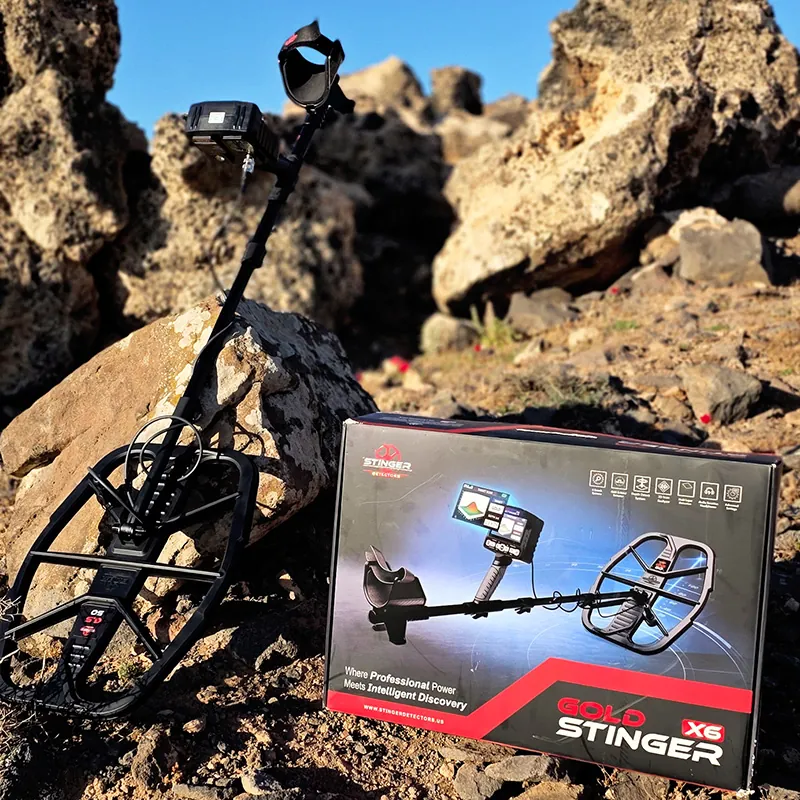
Gold Stinger X6: record both the hardware and the handover
For a Gold Stinger X6 quotation, request the actual coil configuration and all required mounting and power items. Ask the supplier to explain how instruction will cover the functions you intend to use. A demonstration and a hardware list should refer to the same offered setup.
The manufacturer’s product information provides a reference for model identity and documented functions. It does not replace a dated seller quotation. If an estimated depth or visual output was demonstrated, ask how its limitations will be explained during training rather than treating it as a purchase guarantee.
Gold-focused and mixed-target packages
With Gold Monster 2000 or GPX 6000, confirm the exact power and coil contents instead of assuming two goldfield packages are comparable. A price difference may reflect configuration rather than only the control unit.

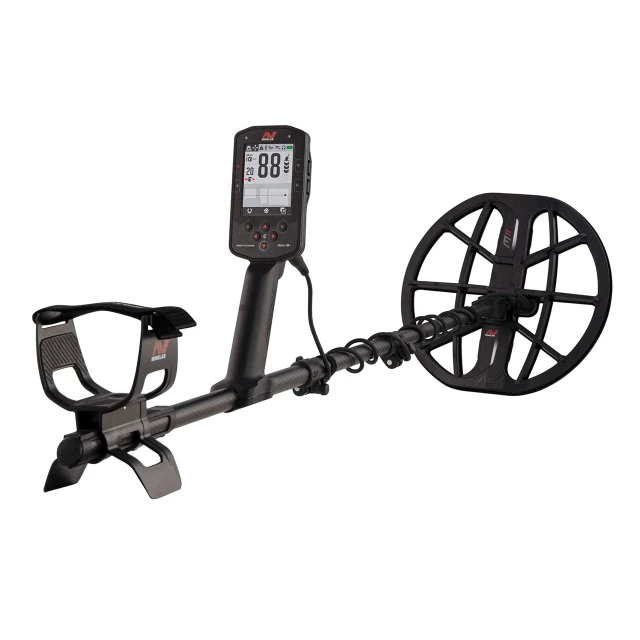
For The Legend 2 and MANTICORE, ask which headphones, coils, adapters, and charging items are actually supplied. Optional accessories can affect the usable order total even when the main detector is unchanged.
PulseDive: distinguish the actual set
PulseDive is particularly useful as a package example because a handheld pointer configuration and a scuba/pointer set are not the same contents. Compare the seller’s itemized list with the official 2-in-1 documentation and confirm any intended change of configuration before ordering.
5. Check Supplier Identity and Product Authenticity
Confirm the business identity, contact details, invoicing entity, and practical route for questions. A marketplace account, logo, or persuasive social post is not enough to establish the relationship between the seller and the manufacturer.
Where authorization matters, check with the manufacturer’s published dealer or support channels. Do not assume that a seller is authorized merely because it lists the brand. If information is unclear, request written confirmation through an independently verified contact route.
Garrett’s counterfeit guidance illustrates the importance of supplier and product checks. Follow the relevant brand’s current process for the model being offered. Do not apply a single brand’s labeling rules or validation method to every detector.
Ask how serial numbers, product registration, and authenticity questions are handled. A serial number or certificate is evidence to check through the appropriate channel, not proof by itself. Keep the invoice and correspondence so the supplied unit can be linked to the agreed order.
Be cautious about unsupported “factory-direct” or “international warranty” statements. Ask who will accept a service request, where the equipment would go, and which documents are required. Clear answers matter more than the length of a promotional warranty phrase.
6. Confirm Warranty, Service, Returns, and Training in Writing
Warranty period, coverage, and the service route are different questions. Confirm the terms that apply to the exact item, buyer location, and purchase channel. Avoid transferring a period from another model, accessory, or market.
Ask which component is covered, how a fault is reported, whether inspection is required, where repairs take place, and how shipping responsibilities are handled. Confirm the current written policy rather than assuming that every after-sales expense is included.
Clarify the seller’s stated return, cancellation, and damaged-delivery procedures before paying. Ask how deadlines are calculated and what evidence is requested. These are purchase questions to resolve with the seller; this article does not prescribe country-specific legal rights.
Training should identify the model and the operating tasks it covers. Ask whether it includes assembly, startup, charging, relevant water limitations, and the functions used during the demonstration. A general video library can be helpful but may not answer a question about your exact setup.
Keep a named support route and a concise handover record. If you need language support, local instruction, or a particular form of remote help, agree on it before ordering. Do not assume that buying a more advanced detector automatically includes more instruction.
7. Plan Delivery and Inspect the Order on Arrival
Confirm the destination, dispatch arrangement, tracking process, and any destination-related requirements with the seller. Ask how batteries or other package components affect the shipping plan. Obtain an estimated schedule without treating an estimate as a guarantee.
When the order arrives, compare it with the saved quotation before discarding packaging or travelling to a remote site. Document visible shipping damage and any missing or incorrect items. Contact the seller through the agreed process when something does not match.
- Check the delivered model and package identifiers.
- Compare coils, accessories, power items, and documents with the order.
- Inspect externally accessible fittings and connectors without opening sealed housings.
- Follow the manual’s assembly and charging procedure.
- Carry out a simple known-target and target-free operating check.
- Record the result and report unresolved issues through the agreed support route.
This is an acceptance check, not a field-performance certification. It can reveal a wrong accessory or obvious problem while the order details remain easy to document. Do not improvise repairs or exceed the manual’s water limits to test the equipment.
8. Buying Used or Demonstration Metal Detectors
A used unit should be quoted with its condition and contents clearly described. Ask about service history if available, battery arrangements, external damage, supplied documentation, and what support remains applicable. Do not assume original warranty coverage transfers.
Inspect the offered unit or request clear documentation of its condition and an agreed operating check. A photograph of a different unit or a general statement that the model works well does not establish the condition of this item.
Compare the usable total against a new configuration. Missing charging equipment, an unsuitable coil, or uncertain service arrangements can change the value of an apparently inexpensive offer. Age alone does not decide the purchase, but unresolved condition questions should remain visible.
9. Final Checklist Before You Buy Metal Detectors
- The exact model and configuration match the chosen shortlist.
- The itemized contents distinguish included and optional equipment.
- Compatibility and any water-use requirements are confirmed.
- The current price, currency, validity, and quoted charges are clear.
- The supplier and authenticity-check route are identifiable.
- Warranty, service, return, and damaged-delivery procedures are available in writing.
- The instruction and support arrangements match the actual model.
- The delivery and acceptance plan is understood.
For an Orient quotation, contact the sales team with the exact model or shortlist, proposed accessories, delivery destination, and unresolved package questions. Browse the metal detectors range for listings, then request confirmation of the actual offer. No general guide can substitute for those order-specific details.
If the conversation reveals uncertainty about what kind of detector you need, return to the detector selection guide. Finalizing a quotation is useful only after the configuration fits the task.
Frequently Asked Questions About Buying Metal Detectors
What should a metal detector quotation include?
The exact model, package contents, compatible accessories, current price and currency, delivery charges, validity, availability, and relevant support terms. Ask for included and optional items to be listed separately.
Is the cheapest offer the best value?
Not necessarily. Compare equivalent contents and the complete usable cost. Missing essentials, unclear condition, or unresolved service arrangements can change the value of an offer.
Can I trust the accessories shown in a product photograph?
Use the photograph as an illustration until the written package list confirms the contents. Regional bundles, optional coils, headphones, and charging equipment can differ.
How do I check whether a seller is authorized?
Use the relevant manufacturer’s published dealer or support route and confirm the relationship when needed. Do not assume authorization from branding or a product listing alone.
Does a serial number prove authenticity?
It is an identifier to verify through the appropriate process. Keep it connected to the invoice and supplied unit, and use the relevant manufacturer’s guidance when questions remain.
Will every accessory from the same brand fit?
No. Compatibility can depend on the exact platform, generation, connection, and supported function. Obtain model-specific confirmation before ordering.
Should I buy a second coil immediately?
Only when it serves an identified requirement and is compatible. Otherwise, separate it as an optional item and use practice to establish whether it addresses a real limitation.
What should I do if the delivered package is wrong?
Document the discrepancy against the agreed quotation and contact the seller through its stated procedure. Keep packaging and relevant records while the issue is resolved.