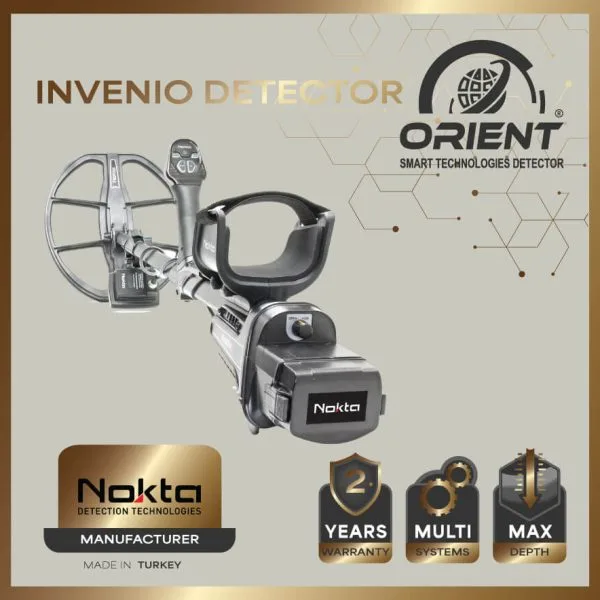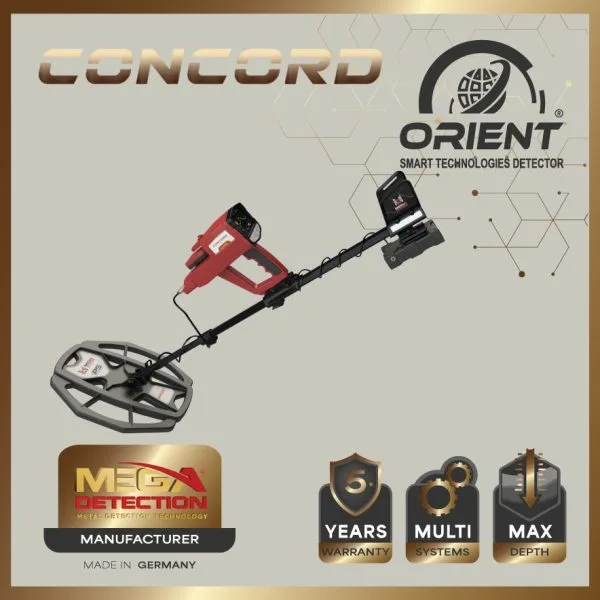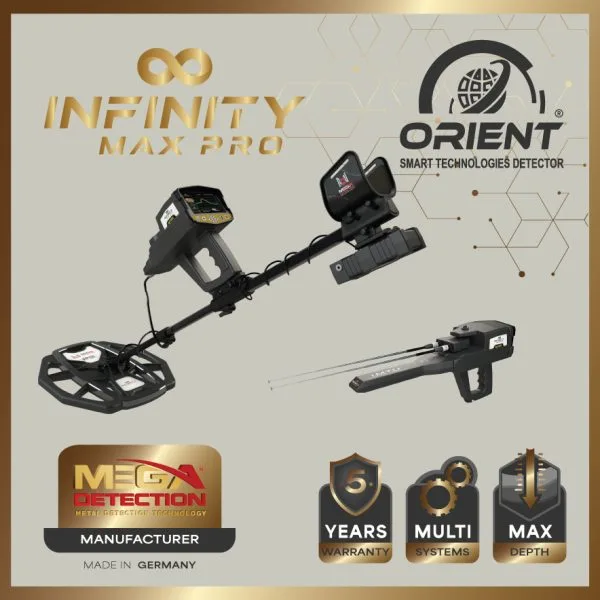
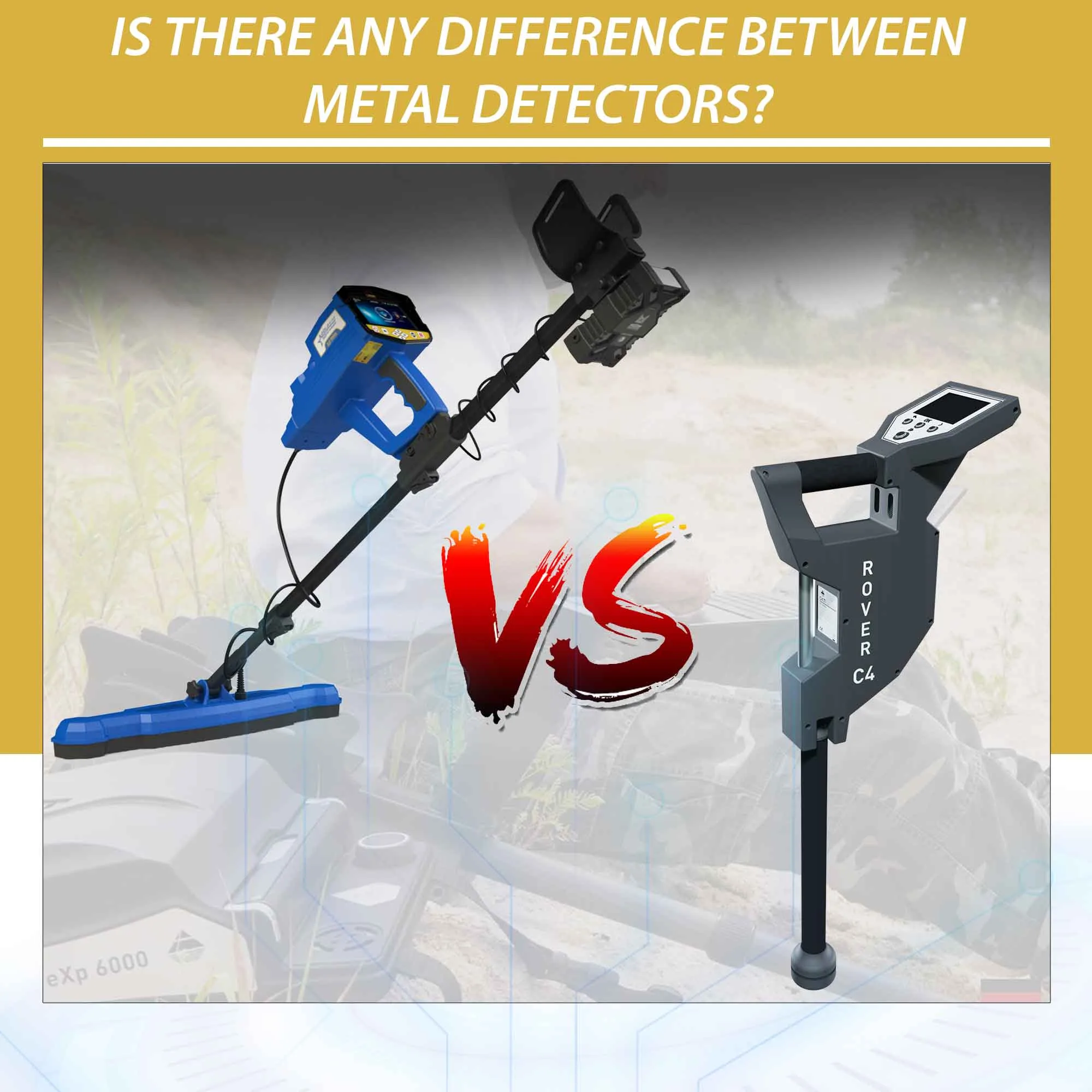
Yes, there is a real difference between metal detectors, and it comes down to the technology inside the coil. The main types of metal detectors are single-frequency VLF detectors for coins, relics and jewelry; simultaneous multi-frequency detectors that handle beaches and mixed targets; high-frequency VLF gold detectors for small nuggets; pulse induction (PI) and ZVT detectors for deep targets in mineralized soil; 3D ground scanners that map ground anomalies; and fixed security or industrial units. Each type trades sensitivity, depth, discrimination and price in a different way, so the right detector depends on what you want to find and where.
This guide explains each type, what it is good at, where it struggles, and how to pick the right one. We sell most of these categories from our store in Istanbul and advise buyers over WhatsApp, so the comparison below reflects what we see customers choose for real sites.
Why are metal detectors different?
Every metal detector sends an electromagnetic field into the ground and listens for the response of a metal object. How that field is generated and read decides what the detector sees:
- Operating frequency. Low frequencies (around 3 to 8 kHz) penetrate deeper and favor large, highly conductive targets such as silver coins. High frequencies (around 18 kHz and above) respond better to small, low-conductivity targets such as gold nuggets and thin jewelry, at the cost of depth and more noise from mineralized ground.
- Continuous wave or pulse. VLF detectors transmit continuously and can analyze the phase of the response, which gives discrimination and Target ID. PI detectors send short pulses and measure how quickly the response decays, which ignores most ground mineralization but gives little discrimination.
- Coil size and type. Small coils separate targets in trash and find small objects; large coils gain depth on large objects. Concentric, Double-D and mono coils each behave differently.
- Ground balance and discrimination. The quality of these two functions decides how usable a detector is in iron-rich soil and in trashy sites.
Single-frequency VLF detectors (all-purpose)
A single-frequency VLF detector is the classic all-purpose machine for coins, relics and jewelry in parks, fields and freshwater. It offers Target ID numbers, tone discrimination and notch filters, is light and affordable, and is the easiest type to learn. Its limits are salt water beaches, where conductive wet sand causes false signals, and heavily mineralized ground. Examples in our catalog include the Garrett ACE 400i (10 kHz) and the Nokta Simplex (12 kHz, waterproof to 3 m). Both are good first detectors; see our best metal detector for beginners guide.
Simultaneous multi-frequency detectors
Multi-frequency detectors transmit several frequencies at once and process them together. Minelab calls this Multi-IQ in the Equinox and Vanquish; Nokta uses simultaneous multi-frequency in The Legend and Score. The result is stable operation on salt beaches, better separation of targets in trash and good sensitivity to both small and large targets without changing settings. They cost more than single-frequency machines and have more menus to learn, but for a user who wants one detector for beach, park and field, this is now the most versatile type.
Gold detectors: high-frequency VLF
A gold VLF detector is a specialized high-frequency machine built for small natural nuggets. The Minelab Gold Monster 1000 runs at about 45 kHz with a small coil and automatic sensitivity, which makes it extremely sensitive to sub-gram gold near the surface. The trade-offs are shallow depth, sensitivity to hot rocks and mineralized soil, and poor usefulness for coins and relics. If your goal is gold in a known goldfield, start here; our guide to VLF detectors in gold detecting goes deeper.
Pulse induction and ZVT detectors
Pulse induction detectors send powerful pulses and read the decay of the response. Because they largely ignore ground mineralization and salt, they detect deeper than VLF on medium and large targets and work where VLF machines become unusable: red iron-rich goldfields, black sand beaches, deep relic sites. The costs are weight, price, battery consumption and weak discrimination, so you dig more iron. The Minelab GPX 6000 is a modern PI gold detector with automatic ground tracking; the GPZ 7000 uses Minelab’s ZVT (Zero Voltage Transmission) technology to combine PI-like depth with better sensitivity to small gold. Our VLF vs PI comparison explains the differences in detail.
3D ground scanners and multi-system detectors
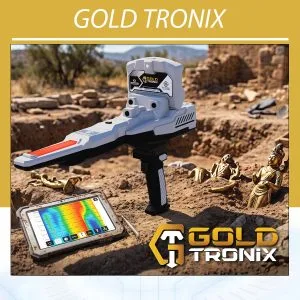
A 3D ground scanner such as the GR-4 GroundTech measures variations in the ground’s response over a grid and displays them as a colored 2D or 3D map. It is designed for large, deep targets and underground voids, not for coins or nuggets. The image shows where the ground behaves differently; it is not a picture of a buried object, and every anomaly must be confirmed with direct detection before digging. Some multi-system devices add long-range locator (LRL), ionic or bionic systems. These are manufacturer-stated methods with no independent scientific validation, so they should never be the basis of an excavation. See our 3D ground scanner vs metal detector guide.
Other types: pinpointers, underwater, security and industrial
- Pinpointers are handheld probes used to locate a target in the hole once the main detector has found it.
- Underwater detectors are sealed for diving; many modern VLF and multi-frequency detectors are already submersible to about 3 m, while dedicated dive units go deeper.
- Security detectors are walk-through arches and handheld wands that find metal on a person, used at airports, schools and events.
- Industrial detectors are fixed systems that find metal contaminants in food, pharmaceuticals and recycled materials. Orient Detectors does not sell these; see our industrial metal detector guide.
Comparison of the main types of metal detectors
| Type | Technology | Best for | Main limitation | Example |
|---|---|---|---|---|
| All-purpose | Single-frequency VLF | Coins, relics, jewelry on land | Salt beaches, mineralized soil | Garrett ACE 400i, Nokta Simplex |
| Versatile | Simultaneous multi-frequency | Beach, park and field with one machine | Price, more settings | Minelab Equinox, Nokta Legend |
| Gold VLF | High-frequency VLF | Small nuggets near the surface | Depth, hot rocks | Gold Monster 1000 |
| Deep gold and relics | PI or ZVT | Mineralized ground, deeper targets | Weight, price, little discrimination | GPX 6000, GPZ 7000 |
| Ground scanner | 3D ground response mapping | Large deep targets, cavities | Not an image; needs confirmation | GR-4 GroundTech |
| Security | Walk-through or handheld | Screening people | Not for the ground | Walk-through arches |
How to choose between the types
- Name your main target. Coins and jewelry point to VLF or multi-frequency; small gold to a high-frequency gold VLF; deep targets in bad soil to PI; cavities and large deep masses to a ground scanner.
- Describe your ground. Salt beach or red mineralized soil favors multi-frequency or PI. Neutral park soil suits any VLF.
- Be honest about trash. In iron-littered sites, discrimination and a small coil matter more than depth.
- Set a realistic budget, including a pinpointer, headphones and a digging tool.
- Test before trusting. Bury a coin and a small piece of gold or lead in your own soil and learn the detector’s response before a real trip.
Frequently asked questions
What is the difference between a metal detector and a gold detector?
A gold detector is a metal detector tuned for small, low-conductivity targets in mineralized ground, either a high-frequency VLF or a PI/ZVT machine. An all-purpose detector favors coins and relics and offers better discrimination. Our metal detectors vs gold detectors article covers this in depth.
Which type of metal detector goes deepest?
For large objects in difficult soil, PI detectors with large coils go deepest, on the order of 1 to 2 m for big targets. No type detects small coins or nuggets at more than a few tens of centimeters; claims of many meters for small objects are not realistic.
Are multi-frequency detectors always better than single-frequency ones?
Not always. They are more versatile, especially on salt beaches, but a good single-frequency VLF is lighter, cheaper and perfectly capable in parks and fields, and a dedicated high-frequency gold VLF remains more sensitive to tiny nuggets.
Can one detector do everything?
A multi-frequency detector with a gold mode, such as the Equinox, comes closest for a hobbyist. Serious gold prospecting in mineralized ground still calls for a PI or ZVT detector, and cavity work calls for a ground scanner.
Conclusion
The different types of metal detectors exist because no single technology is best at everything: VLF for discrimination and value, multi-frequency for versatility, high-frequency VLF for small gold, PI and ZVT for depth in bad ground, and 3D scanners for mapping large anomalies. Match the type to your target and your soil, and you will spend less and find more. If you are unsure which category fits your region, our team can recommend a model over WhatsApp.
Not sure which detector fits you? Contact us on WhatsApp.
Read also
Related Articles