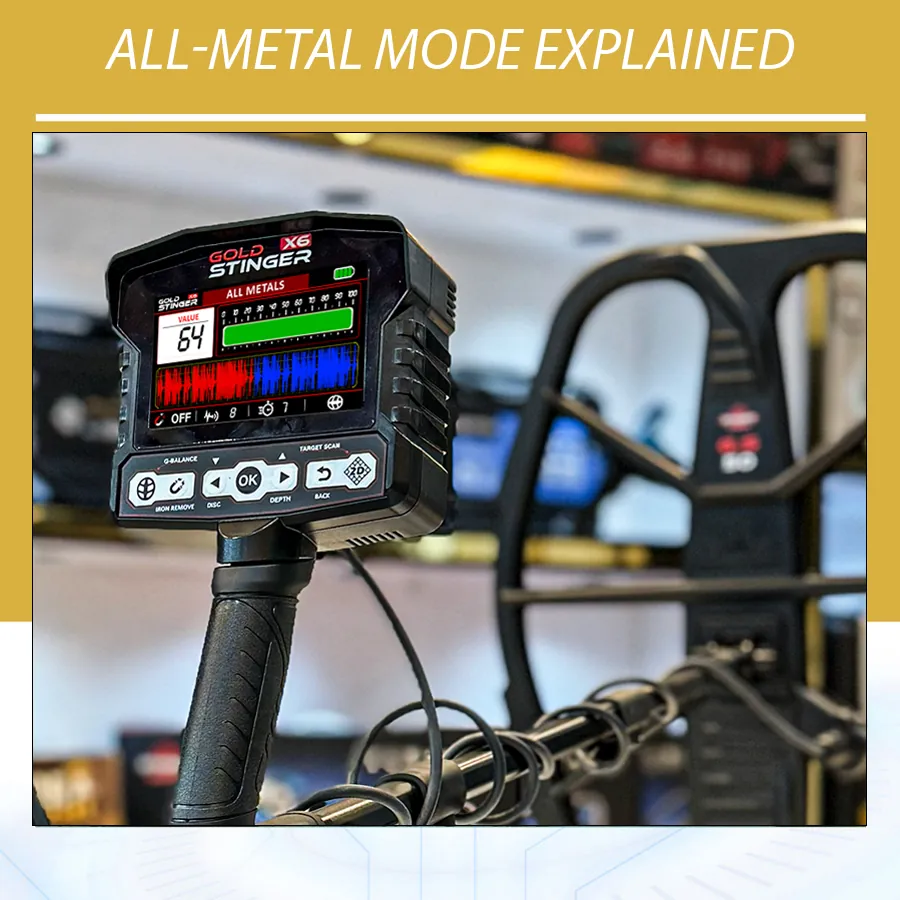
All-Metal Mode Explained

All-Metal Mode Explained

All-metal mode is a detector operating choice that lets the user hear a wider range of metal responses instead of silencing selected target categories. That sounds simple, but the label does not mean exactly the same thing on every detector. On one model it may be a true, threshold-based search mode built for maximum response […]

How to Build a Metal Detector Test Garden

How to Build a Metal Detector Test Garden

A metal detector test garden is a small, documented area where known objects are buried at measured positions so you can practise, compare settings, and observe how targets behave in real soil. Unlike an air test, it includes ground mineralisation, moisture, compaction, target orientation, and the small variations that make field detecting difficult. Unlike an unknown field […]

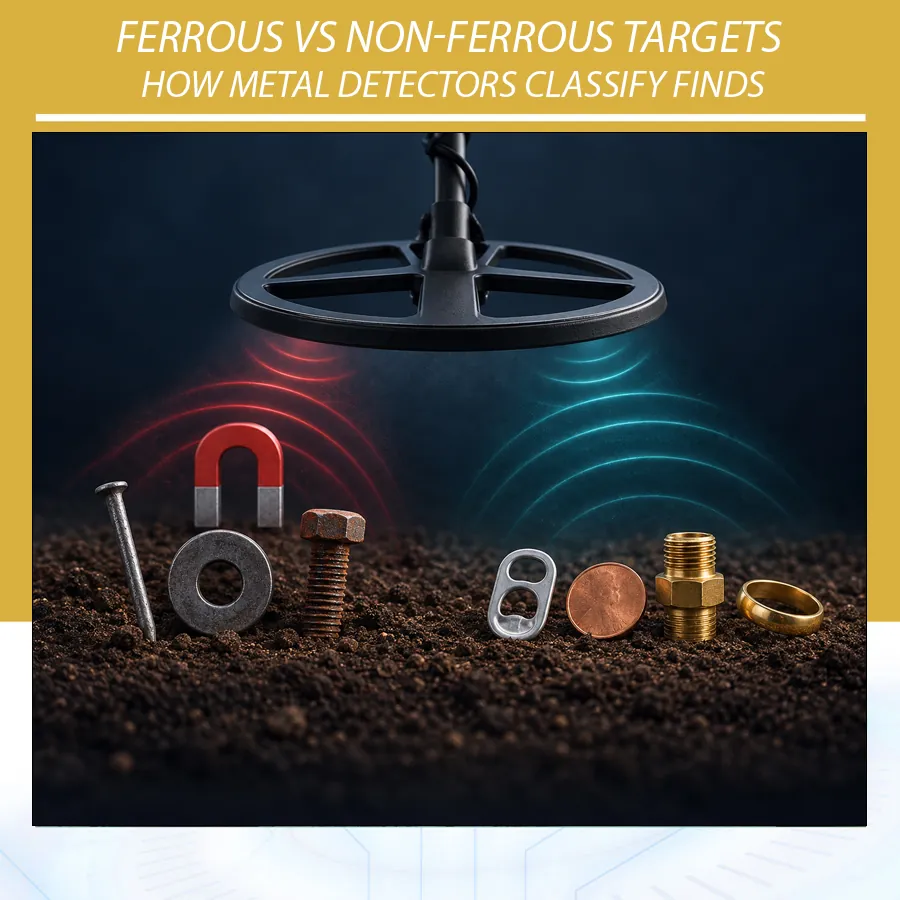
Ferrous vs Non-Ferrous Targets How Metal Detectors Classify Finds

Ferrous vs Non-Ferrous Targets: How Metal Detectors Classify Finds

Understanding ferrous vs non-ferrous targets is one of the first skills that makes metal detecting more productive. In simple material terms, ferrous objects contain iron as a significant component, while non-ferrous objects do not. In the field, however, a detector does not perform a laboratory analysis. It measures an electromagnetic response and places that response into an […]

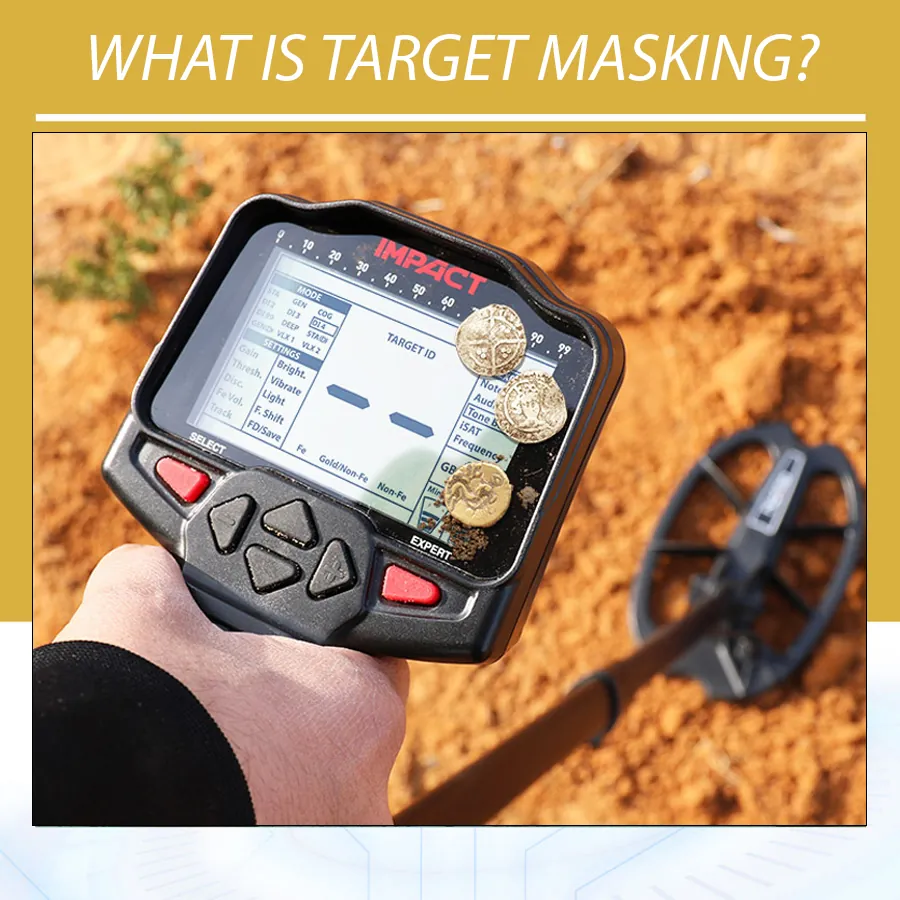
What Is Target Masking

What Is Target Masking?

Metal detector target masking happens when one response interferes with another target strongly enough that the second object is missed, misidentified, or heard only as a broken signal. The masking object is often iron, but it can also be aluminum trash, another accepted metal, mineralized soil, or a shallow object above a deeper one. Understanding […]

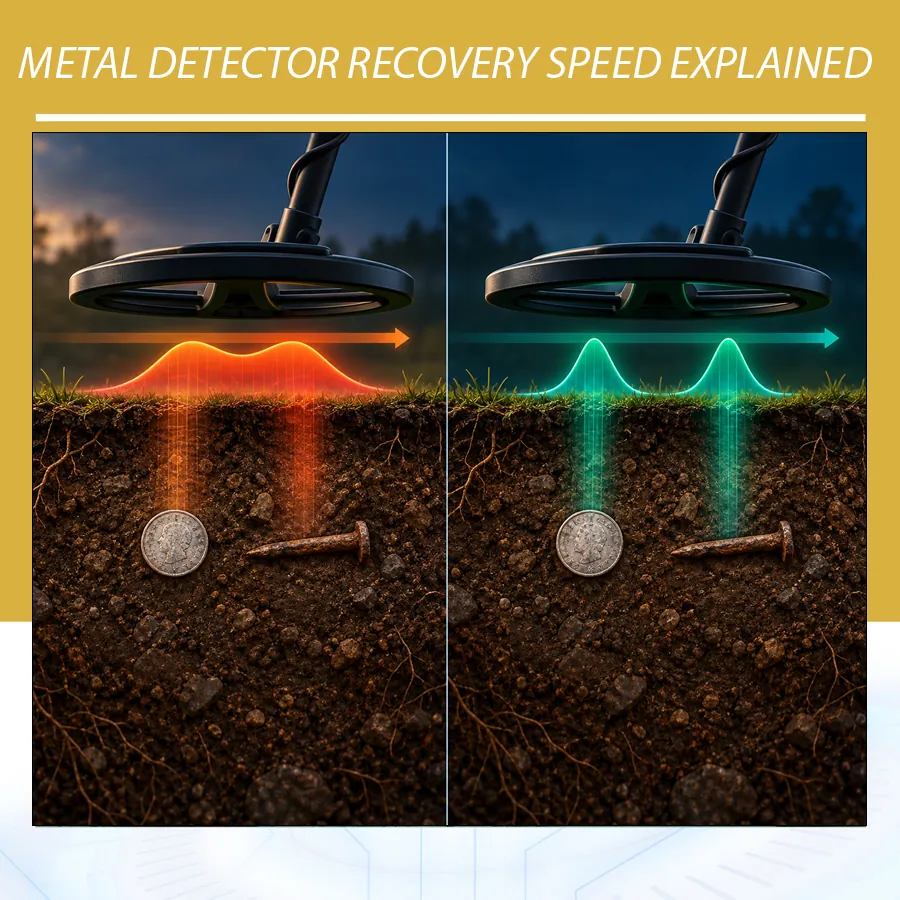
Metal Detector Recovery Speed Explained

Metal Detector Recovery Speed Explained

Metal detector recovery speed controls how quickly a detector can finish responding to one target and become ready to report the next. That short definition explains why the setting matters, but it does not tell you which value to use. Faster recovery can separate nearby objects more clearly in iron or modern trash. Slower recovery can […]

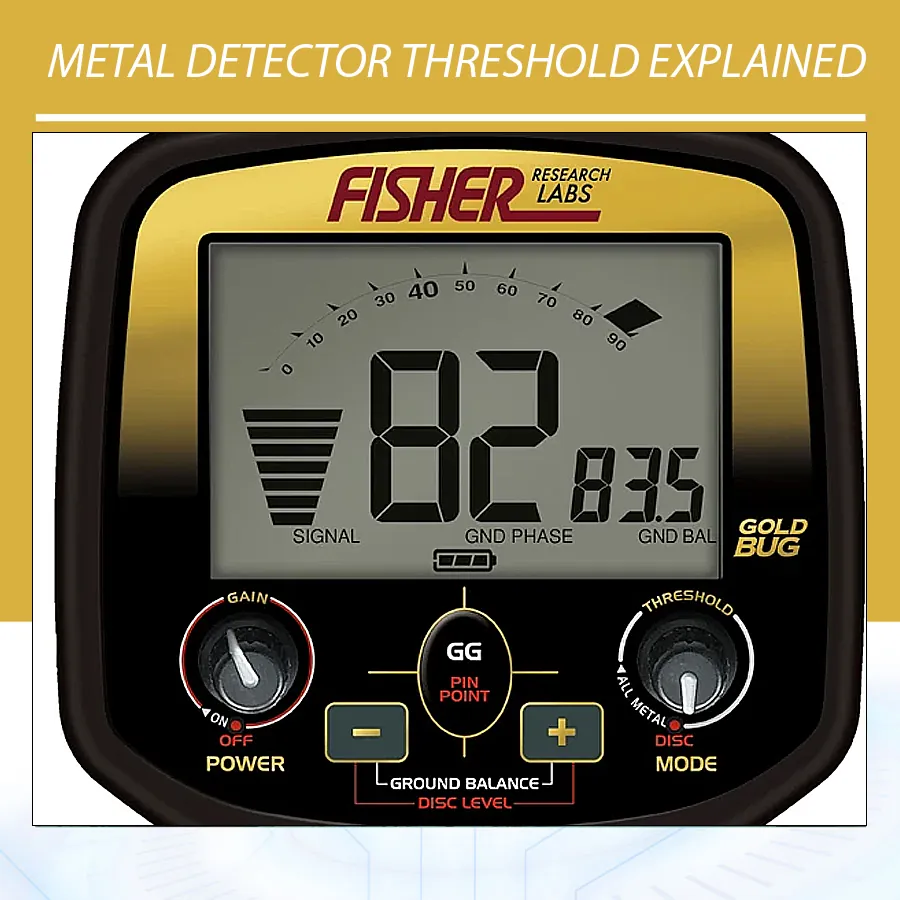
Metal Detector Threshold Explained

Metal Detector Threshold Explained

Metal Detector Threshold Explained: What the Background Hum Tells You A metal detector threshold is the quiet background tone that some detectors produce while you search. At first it can seem like an unnecessary hum. With practice, however, that baseline helps you notice small changes, recognize when the detector is becoming unstable, and understand when a rejected […]

Metal Detector Sweep Speed and Coil Height

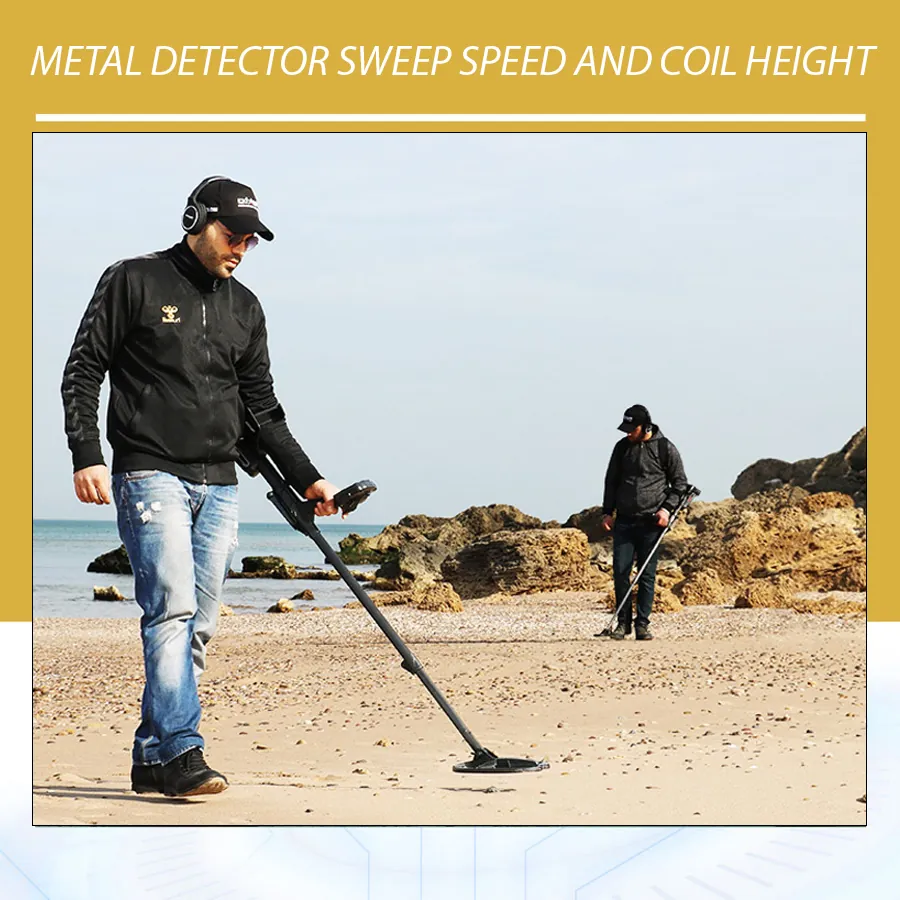
Metal Detector Sweep Speed and Coil Height: Techniques That Affect Your Finds

Metal Detector Sweep Speed and Coil Height: Techniques That Affect Your Finds Metal detector sweep speed and coil height shape every signal you hear. A detector may have sophisticated target identification, ground handling, and recovery controls, but it can only analyze the ground that its coil passes over. Swing too quickly for the detector and conditions, […]

Metal Detector Pinpointing Explained

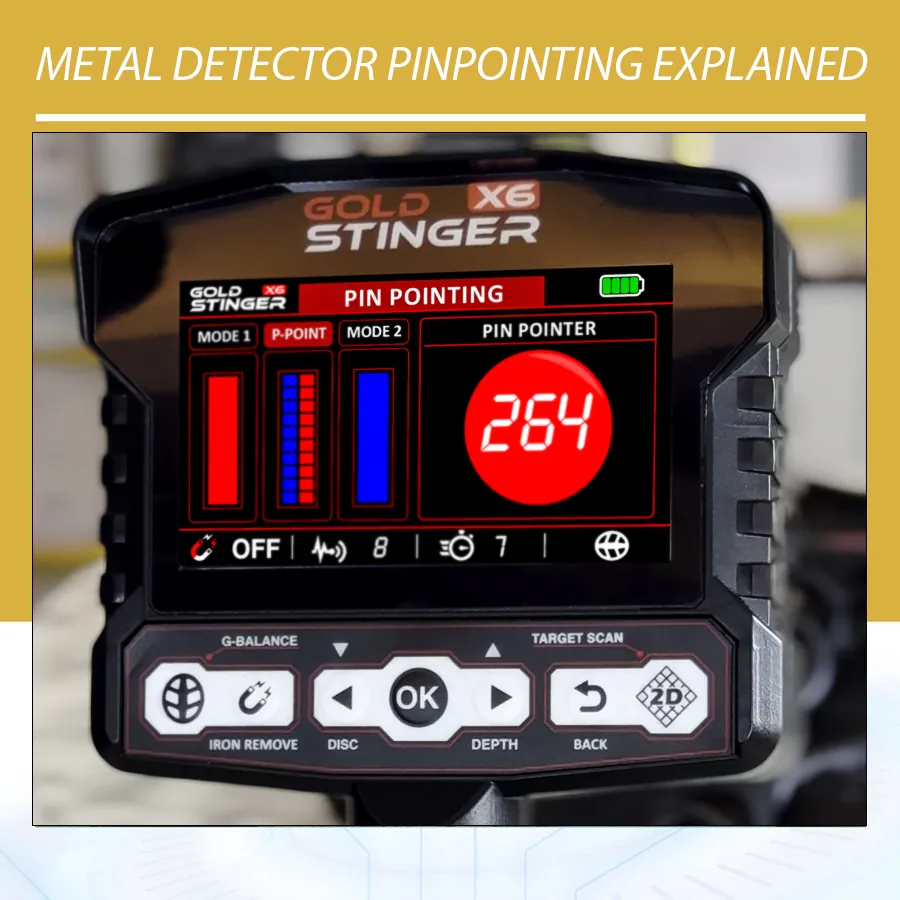
Metal Detector Pinpointing Explained

Metal Detector Pinpointing Explained: How to Locate a Target Accurately Metal detector pinpointing is the process of narrowing a detected response to the smallest practical area before recovery. Good pinpointing helps you dig a smaller opening, spend less time searching loose soil, and reduce the chance of striking a coin, ring, relic, cable, or other object […]

Hot Rocks and Metal Detector

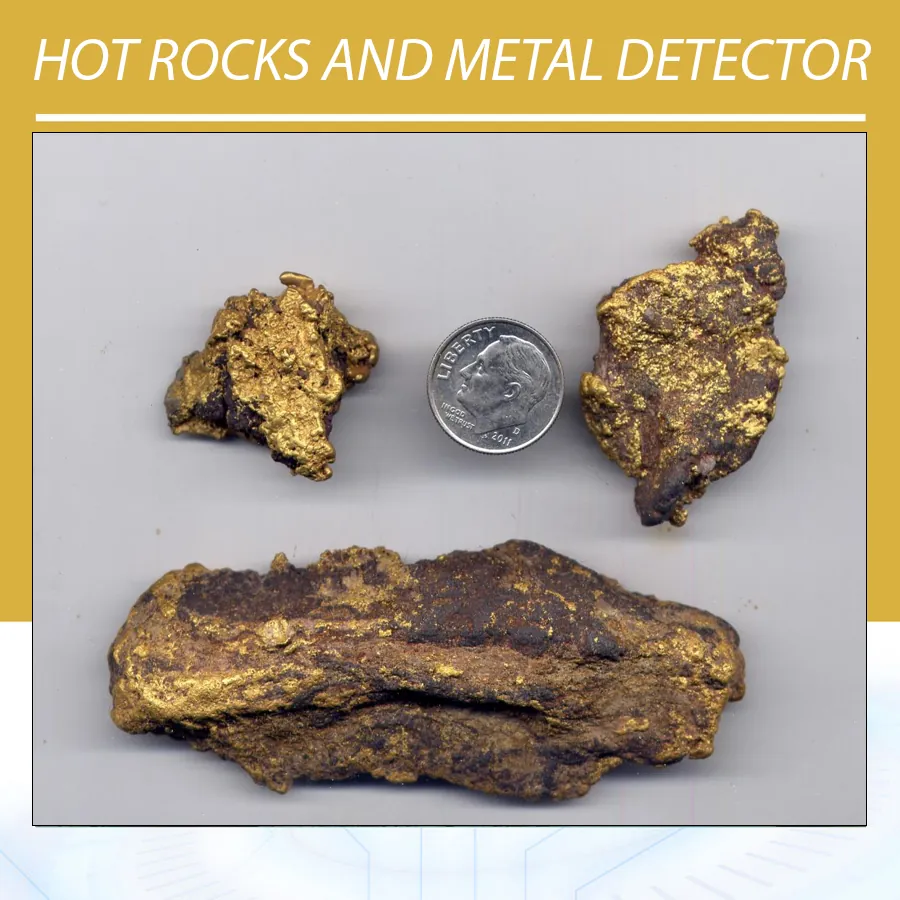
Hot Rocks and Metal Detectors

Hot Rocks and Metal Detectors: Why Some Rocks Produce Signals Hot rocks in metal detecting are rocks that produce a noticeable response because their electromagnetic properties differ from the ground around them and the ground response your detector is compensating for. You may hear a sharp beep, an awkward warble, or a dip in the […]

Metal Detector Audio Tones Explained

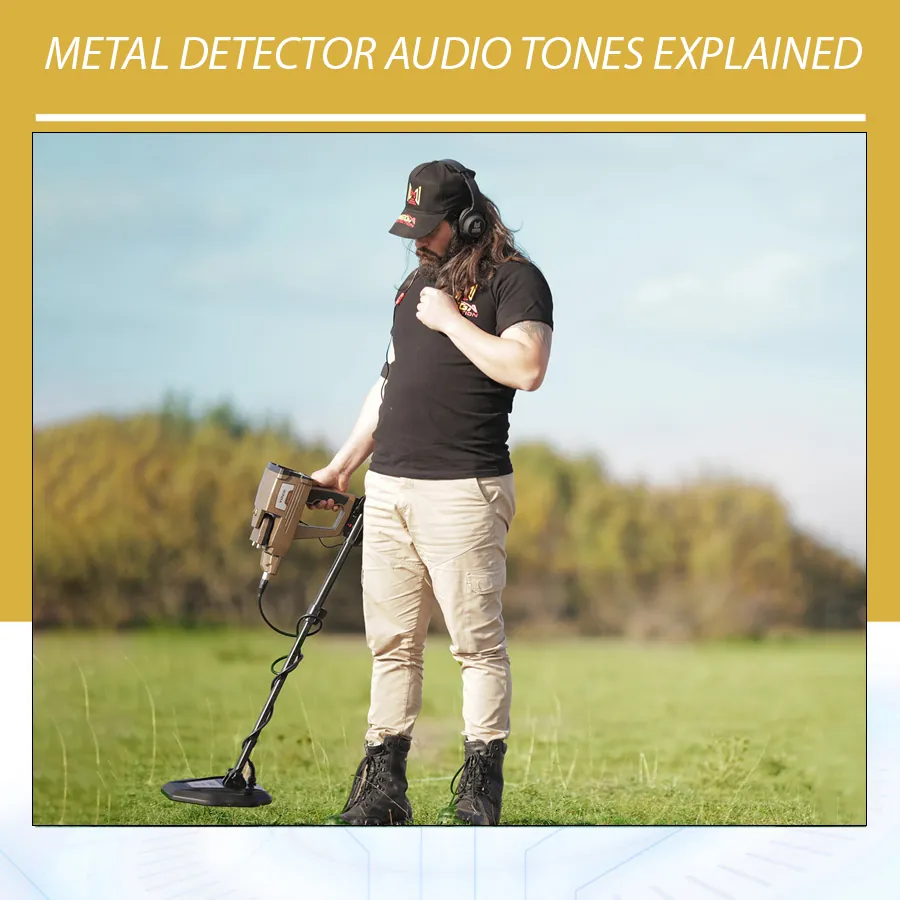
Metal Detector Audio Tones Explained

Metal Detector Audio Tones Explained: How to Understand Target Sounds Metal detector audio tones give you a running description of what the search coil is encountering. A low grunt, a clear bell, a faint rise in sound, or a broken chirp can help you decide where to investigate. The challenge is understanding which information your […]

What-types-of-metals-can-be-detected-by-metal-detector

What Types Of Metals Can Be Detected By Metal Detector

What Metals Can a Metal Detector Detect? A Complete Guide What metals can a metal detector detect? A conventional search-coil metal detector can respond to many metals, including iron, steel, gold, silver, copper, aluminium, brass, bronze, lead, platinum and titanium. Stainless steel is also detectable, although some grades and small shapes can be challenging. The more […]

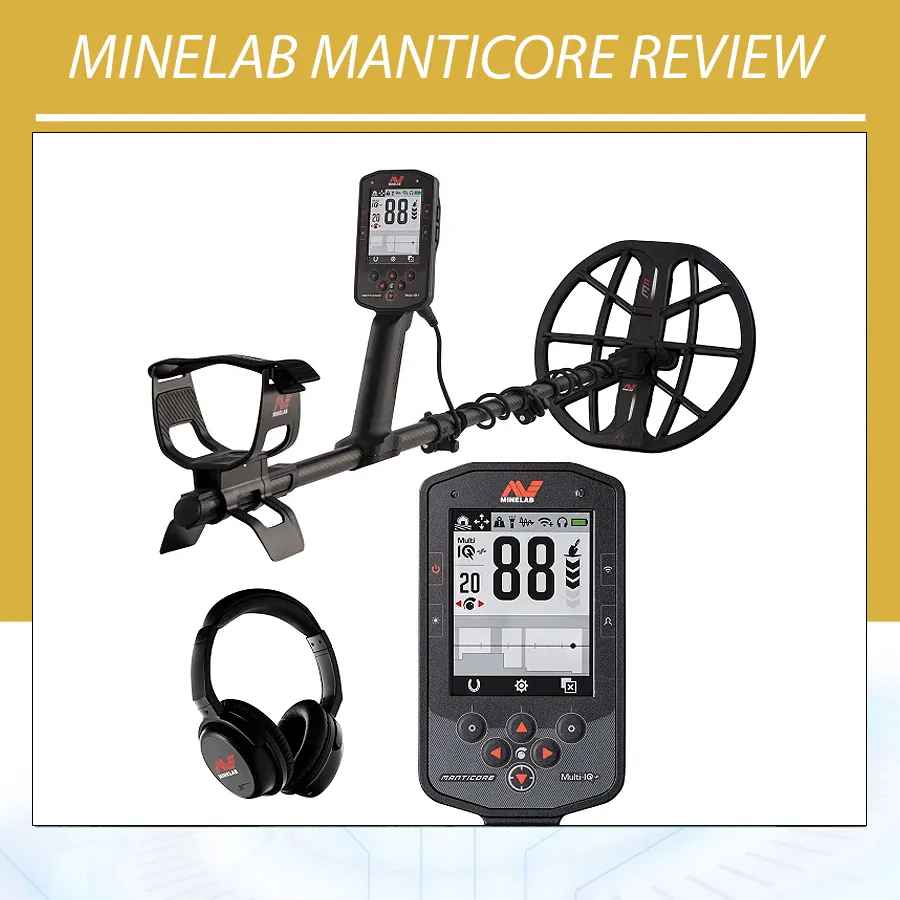
MINELAB MANTICORE Review

Minelab MANTICORE Review

Minelab MANTICORE Review: Features, Settings and Buying Guide The Minelab MANTICORE is an advanced metal detector for people who want more information from difficult signals. Its appeal centres on simultaneous multi-frequency operation, a two-dimensional target display, and extensive control over audio and iron classification. These features are especially relevant when a desirable target may be close to […]

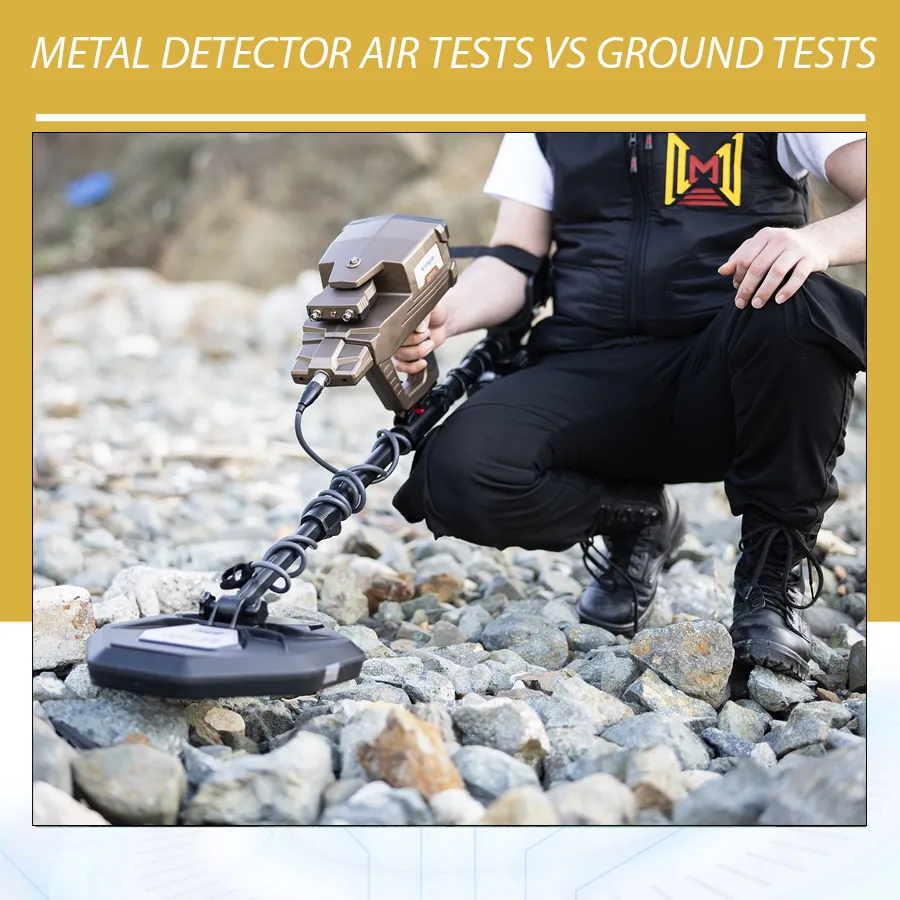
Metal Detector Air Tests vs Ground Tests

Metal Detector Air Tests vs Ground Tests

Metal Detector Air Tests vs Ground Tests: What Depth Results Really Mean Metal detector air tests vs ground tests are often discussed as if they produce the same depth result. They do not. An air test can show how strongly a detector responds to a known object in a controlled environment. A ground test shows how […]

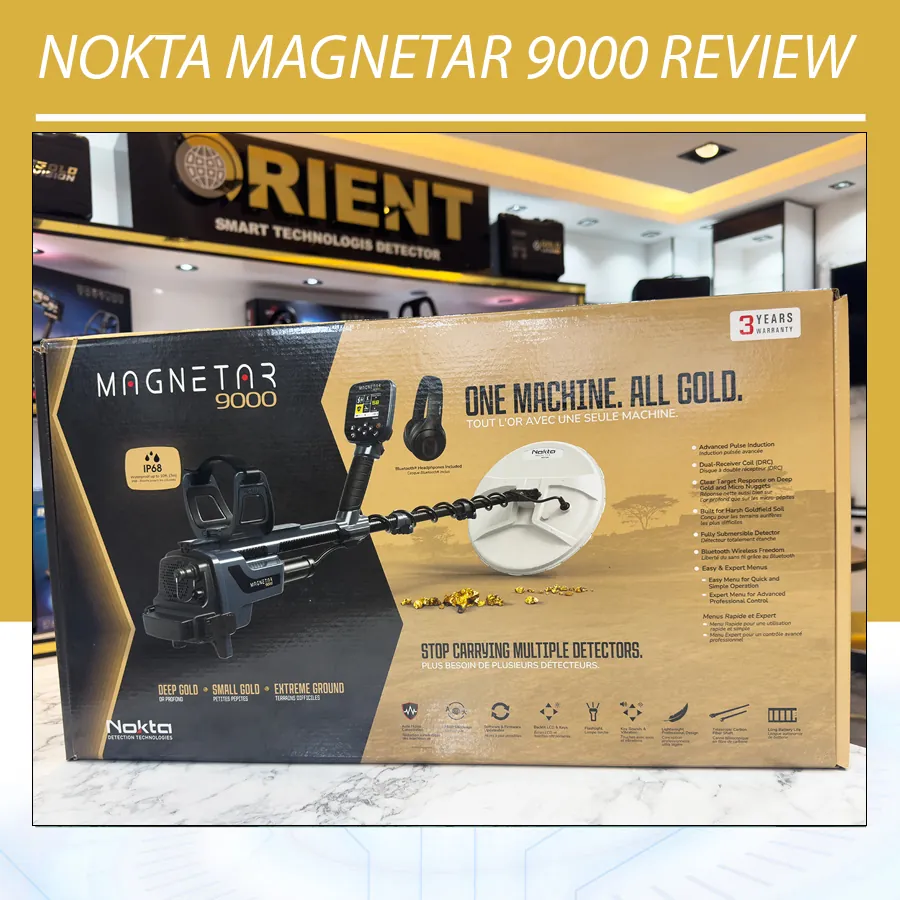
Nokta MAGNETAR 9000 Review

Nokta MAGNETAR 9000 Review

Nokta MAGNETAR 9000 Review: Deep Gold and Small Nugget Performance magnetar 9000 is Nokta’s advanced pulse-induction gold detector built for deep gold, small nuggets and harsh mineralised ground. This review uses Nokta’s published specifications and explains what its coil system, controls and waterproofing mean for prospectors. What is the MAGNETAR 9000? Nokta presents the MAGNETAR 9000 […]

OKM EXP 7000 REVIEW

EXP 7000 Review

EXP 7000 Review: OKM Professional Plus Complete Guide The EXP 7000 Professional Plus brings several kinds of ground investigation into one equipment package. For buyers comparing advanced scanners, its appeal is the ability to collect survey data, examine anomalies, and investigate shallow metal targets using different operating modes. Understanding how those functions fit together is more useful […]

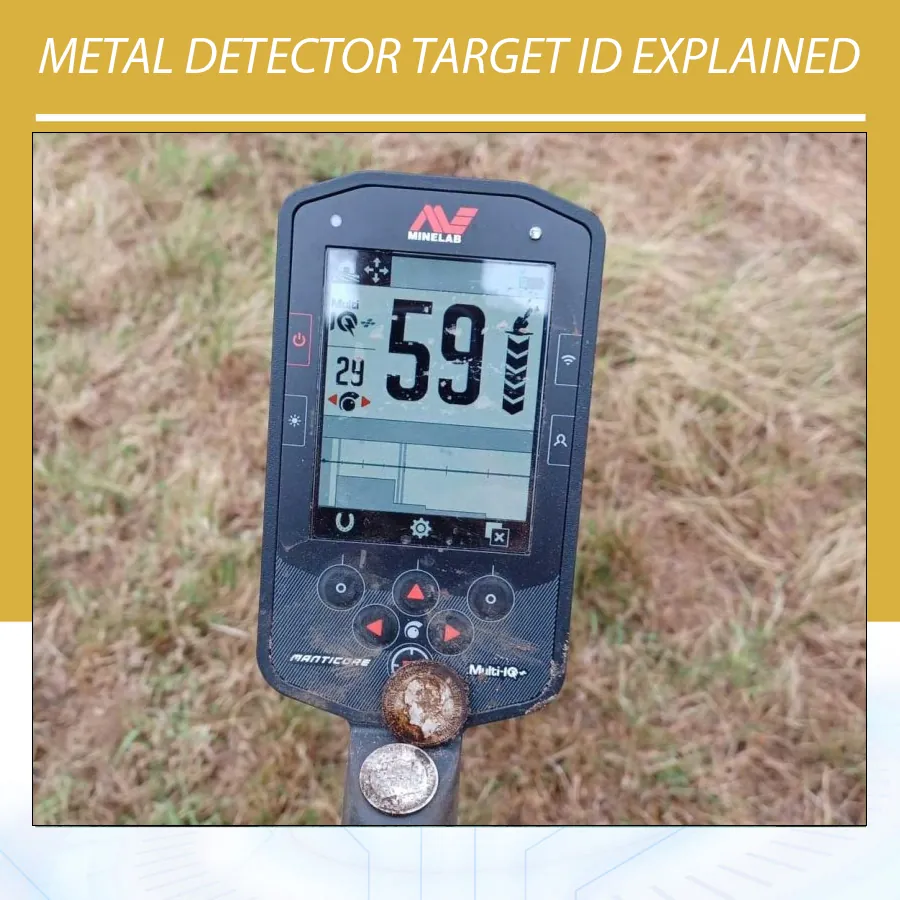
Metal Detector Target ID Explained

Metal Detector Target ID Explained

Metal Detector Target ID Explained: A Complete Guide to Reading Numbers If you use a modern metal detector, you have probably seen a number appear on the screen when the coil passes over a target. This number is called the metal detector target ID. It can help you decide whether a signal may be an iron […]

Why Does My Metal Detector Keep Beeping

Why Does My Metal Detector Keep Beeping? Causes and Fixes

Why Does My Metal Detector Keep Beeping? Causes and Fixes If your metal detector keeps beeping, start by identifying the sound before changing settings. Random chatter can involve electrical interference, ground conditions, excessive sensitivity or the coil setup. Repeated responses may also come from actual metal you have not located. A steady background hum or an […]

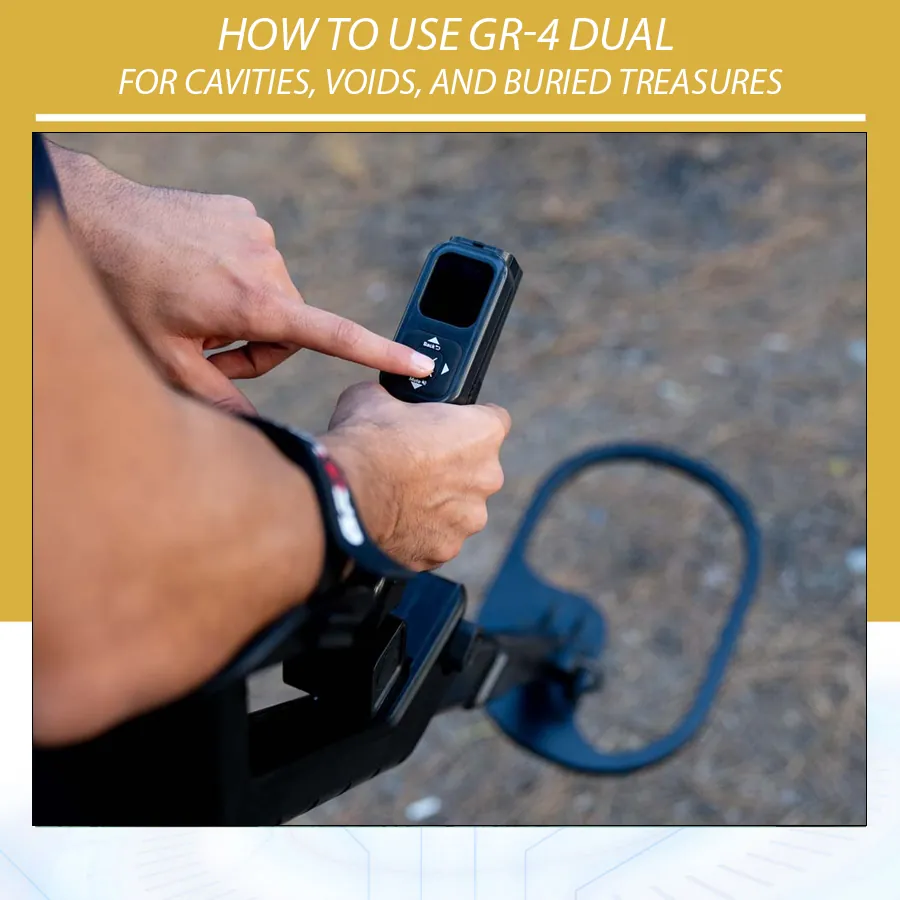
How to Use GR-4 DUAL for Cavities, Voids, and Buried Treasures

How to Use GR-4 DUAL for Cavities, Voids, and Buried Treasures

How to Use GR-4 DUAL for Cavities, Voids, and Buried Treasures The GR-4 DUAL, also known in product listings as GR-4 GroundTech, is a 3D ground scanning system designed for users who need visual information about what may be hidden below the surface. Unlike a standard audio metal detector that mainly gives a tone when the […]


gold detectors